11 emotional truths about body-shaming in sports that can push girls to quit their dreams too soon
By age 14, girls drop out of sports at twice the rate of boys. It is a quiet mass exodus happening in locker rooms and track fields across the United States. A recent campaign by Dove and Nike unearthed an even more staggering number.
A massive 45 percent of girls stop playing sports by that exact same age due to low body confidence. They are not walking away because they lost their competitive drive or their love for the game. They are leaving because the psychological weight of physical scrutiny becomes too heavy to carry.
Body shaming can make girls feel like their worth depends more on appearance than ability

The primary damage often starts long before an athlete steps onto a national stage. A personal narrative by Saachi Shetty published on Malala.org reveals that this painful scrutiny rarely originates from anonymous strangers. Instead, it frequently comes from intimate circles like family members and close friends. Well-meaning relatives drop casual comments like suggesting a girl looks weak, telling her to gain a few kilograms, or ordering her to hit the gym.
These comments completely alter a young woman’s priorities. Hyperfixation on physical appearance consumes a massive amount of personal energy. It actively distracts young girls from education, career building, and overall personal growth. Another young woman named Pavithra shared on Malala.org that her grandmother’s constant criticism about her body size and food portions completely shattered her self-esteem.
Negative comments about body shape can cause long-lasting emotional harm
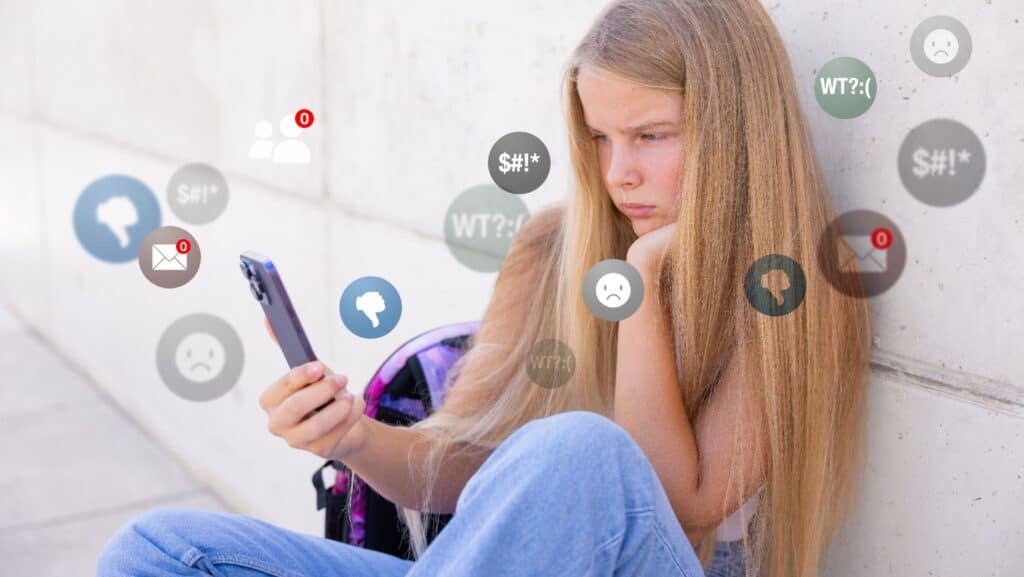
Living under a microscope creates an incredibly toxic mental environment for a developing child. According to resource data from Within Health, body shaming means judging, stigmatizing, or negatively criticizing someone based solely on their physical shape or weight. This behavior often masquerades as casual jokes or unsolicited advice from peers and adults.
The psychological fallout of these repeated interactions is devastating. Studies connect weight discrimination directly to social anxiety, low self-worth, and a significantly higher risk of depression. Researchers like Cerolini, in a 2024 study, explicitly identified early weight bias as a primary potential precursor to full-scale eating disorders in adolescents.
Some girls quit sports because they feel they do not look like the “right” kind of athlete

When a girl leaves the home and enters the sports arena, she encounters rigid cultural norms that dictate what an athlete should look like. Data cited by UN Women shows that 70 percent of girls feel they do not belong in sports due to pervasive gender stereotypes. They face immense pressure during adolescence as their bodies go through natural biological changes.
When sports culture fails to normalize these changes, girls begin to view their developing bodies as a barrier to entry. Only about 40 to 57 percent of girls report having positive experiences in youth sports environments. A massive 63 percent point to a total lack of visible female coaches or relatable role models who look like them.
Social media comparisons can intensify body dissatisfaction and push girls away from sports

The digital space multiplies this emotional damage instantly by creating a relentless, round-the-clock echo chamber. A scientific survey of 211 young adults analyzed how people react to fitspiration content. The results showed that exposure to athletic images caused a direct decrease in self-esteem for 37 percent of the participants.
The study found a statistically significant gender difference. Women showed a much greater tendency toward self-criticism and were far more likely to compare themselves to athletic social media figures ($p = 0.02$). This exposure lowered self-esteem specifically among female respondents ($p = 0.004$).
Interestingly, a person’s body mass index did not change this outcome ($p = 0.05$). This lack of association proves that harmful digital comparisons affect girls across all body sizes.
Pressure to fit body ideals can lead to anxiety, depression, and low self-worth

A comprehensive narrative review screened 450 articles and database entries to synthesize 212 peer-reviewed studies published between 2004 and 2024. The massive scope of this data confirms a direct link between internalized body ideals and severe psychological distress. Quantified social approval on apps, measured through likes, comments, and follower counts, turns physical appearance into a metric of human value.
This data reinforced feedback loop forces girls into continuous body monitoring. According to objectification theory, when a girl internalizes an outsider’s gaze, she develops chronic shame and social anxiety. Gaps between her actual body and the idealized media image fuel persistent feelings of inadequacy. This mental loop frequently escalates into clinical depression and severe social avoidance.
Body shaming can reduce enjoyment in sport, which makes quitting more likely
This psychological torment strips away the fundamental reason girls play games in the first place. Research by Sport Integrity Australia involving a sample of over 800 athletes discovered that 1 in 5 individuals have witnessed body shaming in sports settings. In fact, it ranks as the single most common negative behavior reported in athletic environments.
The physical fallout of this environment is highly measurable. A 2024 Butterfly Survey reported that 34.5 percent of young people avoided participating in sports or physical activity altogether because of deep body image insecurities.
Dr. Zali Yager from The Embrace Collective stresses that sports organizations must eliminate body commentary so young people can enjoy sports for a longer period. Taryn Brumfitt echoes this sentiment, warning that when sports turn into a beauty pageant, communities lose both participation and raw human potential.
Girls may start obsessing over food and weight instead of focusing on performance

When a sporting culture values thinness over talent, girls start obsessing over food and weight instead of focusing on athletic performance. The National Institute of Mental Health notes that eating disorders are serious, life-threatening illnesses, not lifestyle choices. Under constant physical criticism, girls frequently develop anorexia nervosa or bulimia nervosa.
They engage in extreme food restriction, secretive eating, or intense and excessive exercise. These behaviors cause severe muscle wasting, bone thinning, low blood pressure, and structural damage to the heart.
An athlete cannot build speed or endurance when her body is actively starved of fuel. The National Institute of Mental Health emphasizes that early detection and family-based treatment are vital to save these young athletes before they abandon their sports permanently.
Coaches and team culture can turn appearance into a source of emotional abuse
The culture of an athletic team depends heavily on leadership, but coaches can easily turn physical appearance into a source of emotional abuse. A study published in the Journal of Science and Medicine in Sport indicates that roughly 50 percent of all athletes experience mental health issues like depression or anxiety. Abusive coaching practices contribute significantly to these numbers.
Qualitative research examining former child athletes in the United Kingdom revealed widespread threats and humiliation across multiple sports, including gymnastics, swimming, and track.
Coaches often hold absolute power over selection and playing time. When a coach uses belittling, shouting, or scapegoating to target an athlete’s body shape, it constitutes emotional abuse. Former cyclist Rochelle Gilmore described training camps that were deliberately designed to break young girls down mentally and physically.
Competitive pressure can make young athletes feel they are never enough physically

This toxic atmosphere causes competitive pressure to morph into a deeply personal failure. Young athletes begin to feel that they are never enough physically. Sport psychologist Charlie Shanaver notes that a vast amount of competitive pressure actually comes from within an athlete. When a young girl fuses her personal identity with her sport, her self-worth becomes entirely dependent on her performance.
Constant feedback from sideline parents and hypercritical coaches leaves girls feeling judged every second of their lives. They lose their neutral recovery spaces at home. When dinner conversations and car rides revolve solely around physical performance, negative self-talk takes over, convincing girls that their bodies are inadequate.
Fear of judgment can cause social withdrawal and isolation from teammates

The natural response to persistent judgment is self-preservation. Fear of judgment causes deep social withdrawal and severe isolation from teammates. Seattle Anxiety Specialists point out that the fear of rejection or public embarrassment creates intense performance anxiety. To avoid the pain of body scrutiny, girls pull away from the very peers who should form their support network.
Team sports naturally offer deep social bonds that shield young people from loneliness and depression. When body shaming forces a girl to isolate herself, she loses that vital mental health buffer. This social isolation accelerates burnout and identity loss. Ultimately, the joy of the game vanishes entirely, leaving a lonely young athlete with only one logical escape route.
When body image stress builds up, girls may leave sports much earlier than they should

The cumulative weight of family comments, media standards, coach hostility, and peer isolation creates an unbearable tipping point. When body image stress builds up, girls leave sports much earlier than they should, abandoning their long-term potential. This premature exit is supported by the famous sweater study documented by Dr. Delaney Ruston.
In the experiment, women performed significantly worse on a standard math test when wearing a bathing suit compared to when they wore a sweater. This proves that self-objectification severely harms immediate performance and cognitive focus.
When a girl spends all her mental processing power worrying about her looks, her athletic skills decline. The drop in performance leads to frustration, and the built-up stress forces her to pack her gym bag for the very last time.
Key Takeaways

- Girls leave sports at twice the rate of boys by age 14, with 45 percent quitting due to low body confidence driven by societal and digital pressures.
- Body shaming frequently originates within a girl’s close circle of family and friends, which shatters her self-esteem and distracts her from education and personal growth.
- Over 34 percent of young people avoid physical activity due to body image issues, as sports settings remain plagued by appearance commentary.
- Physical criticism shifts an athlete’s focus from skill to dangerous food obsession, leading to severe physical damage like muscle wasting and heart complications.
- Coaches often weaponize body shape under the guise of building mental toughness, causing athletes to isolate themselves from teammates and quit early.
Disclaimer – This list is solely the author’s opinion based on research and publicly available information. It is not intended to be professional advice.
Like our content? Be sure to follow us.