12 items astronauts are banned from taking to space
The most dangerous thing an astronaut could pack for space might be sitting in your kitchen right now.
Packing for a trip usually involves stuffing an extra sweater or your favorite snacks into a carry-on bag. Things change drastically when your destination sits roughly 250 miles above our heads. The rules for orbital packing are incredibly strict because a single mistake could risk a multibillion-dollar mission.
Scientists have spent decades figuring out exactly what is safe to bring into a zero-gravity environment. Floating in a tin can means that everyday earthly comforts can become massive hazards in an instant. This environment forces space agencies to completely ban plenty of ordinary items you probably use every single morning.
Bread And Baked Goods

Sandwiches sound like the perfect quick lunch for a busy crew working in orbit. Bread creates hundreds of tiny crumbs that immediately float away into the cabin air. Those rogue particles can easily lodge themselves into sensitive electronics and cause severe malfunctions.
Orbital Radar estimates show it costs roughly $10,000 to $54,000 to launch a single pound of payload into orbit. Wasting that massive budget on messy food that ruins equipment makes absolutely no financial or scientific sense. Today’s orbital explorers eat tortillas instead because they leave zero dangerous debris behind.
Regular Graphite Pencils

Writing down notes is an essential part of conducting science experiments in the cosmos. Using a standard wooden pencil creates highly flammable graphite dust and wood shavings that float everywhere. Breathing in these tiny particles would be awful for the crew members trapped inside a closed-loop system.
Modern space programs completely abandoned wood and graphite writing tools decades ago. The space station currently hosts about 3,000 separate scientific experiments that require incredibly clean environments to succeed. Dropping broken pencil leads into those delicate experimental habitats would be a total disaster for the researchers.
Carbonated Sodas And Beverages
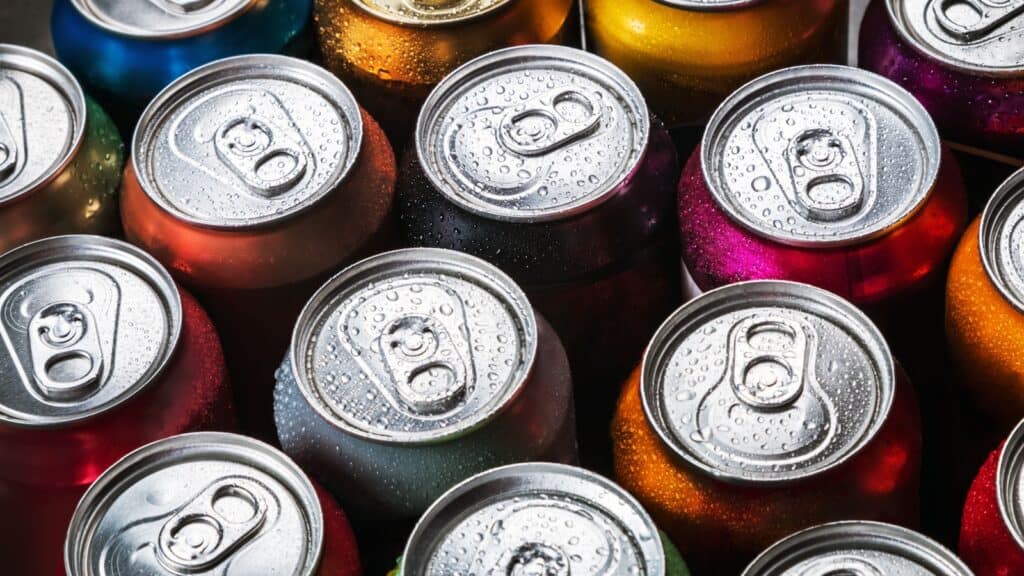
Cracking open a cold soda sounds incredibly refreshing after a long day of spacewalking. The absence of gravity prevents the carbon dioxide bubbles from separating from the liquid inside your stomach. Drinking these bubbly beverages effectively causes severe gastric distress and painful wet burps.
Companies have spent small fortunes trying to solve this fizzy space problem over the decades. Al Jazeera reports that a recent medical survey noted that astronauts naturally lose up to 20 percent of their fluid volume during flights. Drinking beverages that cause severe bloating makes managing that serious fluid loss even harder.
Alcohol And Liquor

You might think a celebratory toast is appropriate after successfully docking at the space station. Agencies strictly forbid alcoholic drinks because an intoxicated crew member cannot safely respond to emergency alarms. Everyone must remain completely clear-headed to operate the complicated machinery.
NASA’s official policy clearly states that astronauts must completely stop drinking any alcohol before a scheduled launch. Even mild intoxication in microgravity severely worsens spatial disorientation. The space station is a strict workplace where safety protocols always trump happy hour celebrations.
Traditional Ice Cream

That chalky freeze-dried block sold in gift shops is not something actual astronauts eat. Real ice cream requires expensive freezer space that is strictly reserved for storing important biological samples. Melting ice cream would also create a sticky floating nightmare that could ruin delicate equipment.
There have been a few rare exceptions when a supply ship brought up a tiny frozen treat. Most of the time, the crew has to settle for thermostabilized desserts that can sit safely at room temperature. Keeping the electrical systems safe is much more important than satisfying a sweet tooth.
Perfume And Cologne

Personal hygiene is incredibly important when you are sharing a tight space with several coworkers. Spraying strong fragrances in a sealed metal tube quickly makes the air completely unbreathable for everyone inside. The environmental control system works extremely hard just to scrub normal body odors from the atmosphere.
The onboard air filtration technology is genuinely a modern marvel of engineering. As of late 2023, the space station water recovery system actually reclaims 98 percent of all moisture, including sweat and breath. Adding heavy perfumes to that delicate recycling process would throw the entire chemical balance off.
Thermometers Containing Mercury
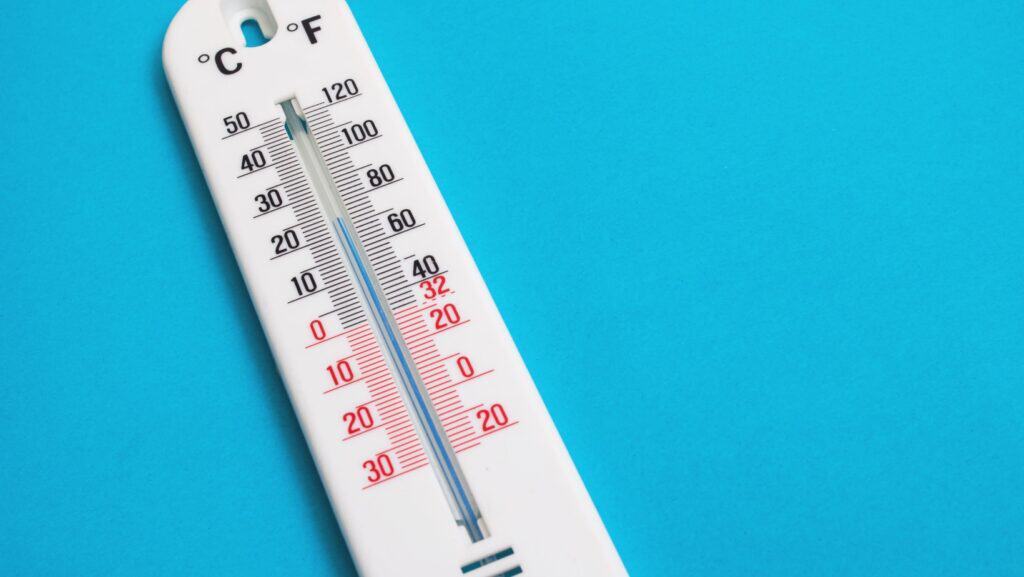
Monitoring human health requires taking regular temperature readings during long-duration missions. Old school thermometers are totally outlawed because mercury is a highly toxic substance that is impossible to clean up in zero gravity. A broken glass tube would send poisonous liquid metal spheres bouncing around the entire cabin.
Modern crews rely entirely on digital tools to track their vital signs every single morning. If a toxic spill did happen, the crew would have no way to properly vent the contaminated air outside. Safety teams eliminate any chemical hazard long before the rocket ever leaves the launch pad.
Clothing With Loose Fibers
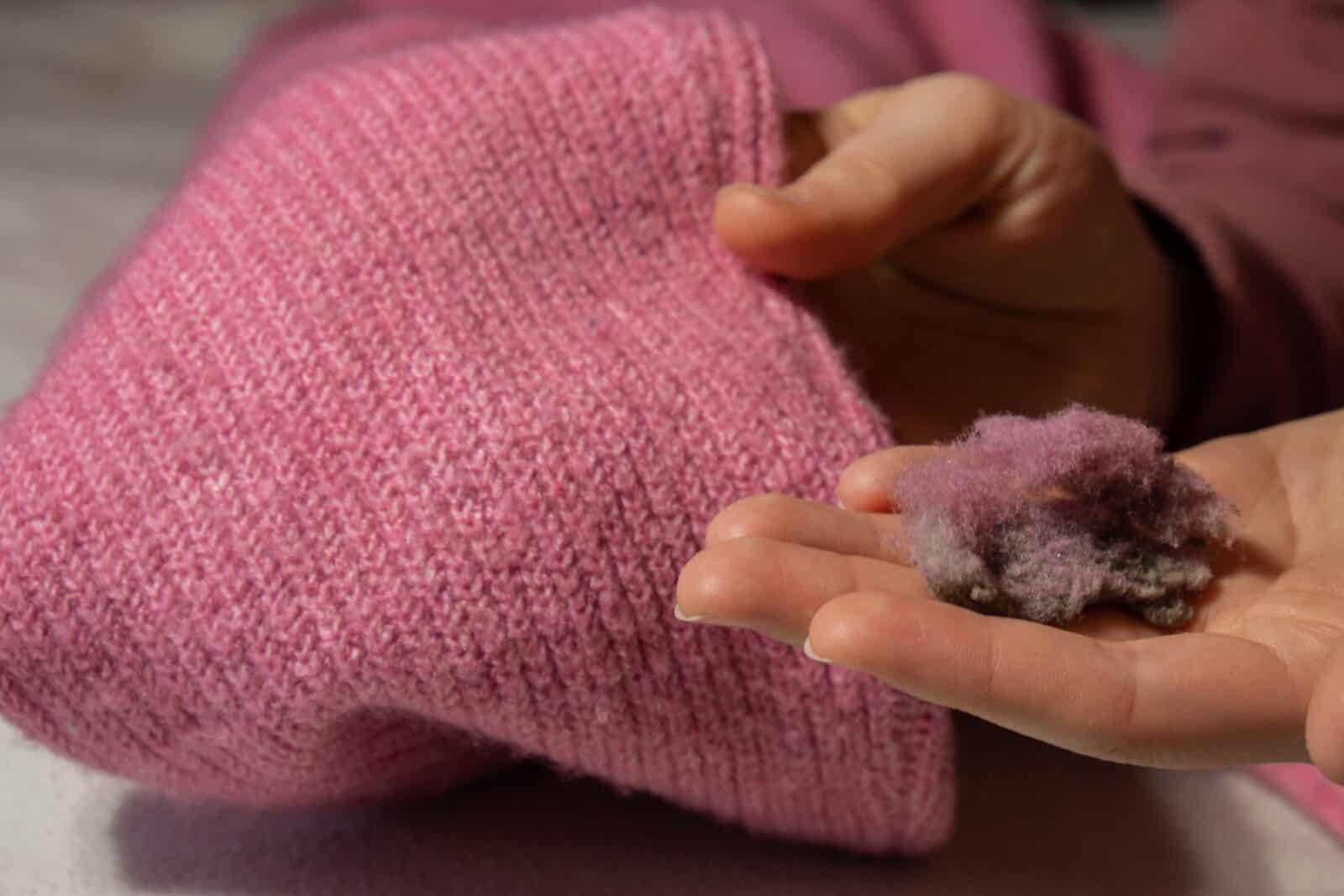
Getting dressed in the morning looks a bit different when your closet floats around you. Fabrics that shed tiny strings or create massive amounts of static electricity are absolutely forbidden on board. Stray fibers routinely clog the air filters and require constant vacuuming by the annoyed crew members.
Every piece of clothing gets carefully tested for shedding and flammability back on Earth. Current commercial crew regulations limit astronauts to bringing exactly 3.3 pounds of personal preference items on their flights. They must pack extremely light and only bring approved synthetic blends or specialized cottons.
Glass Containers And Bottles
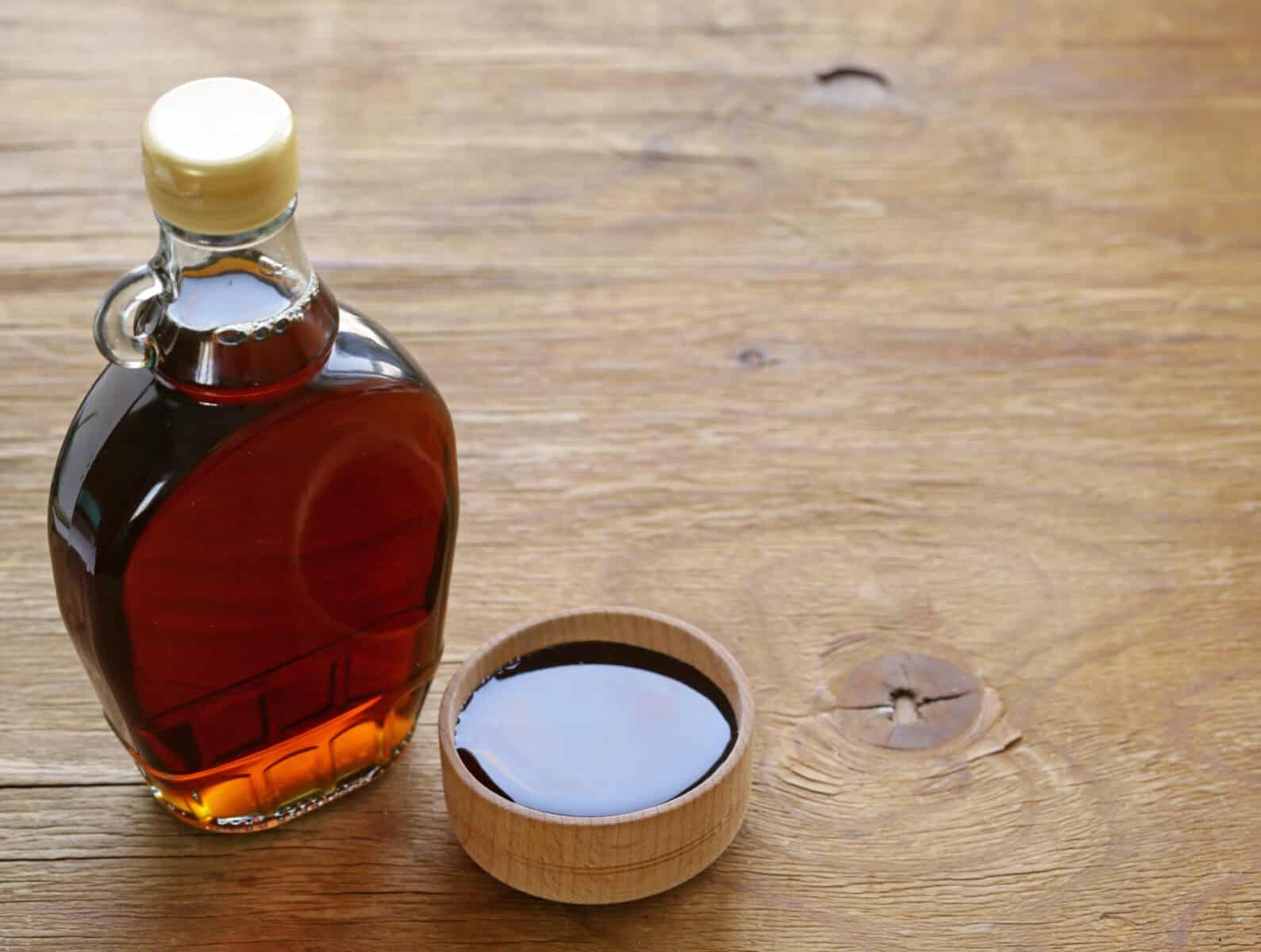
Storing materials in glass is a standard practice in almost every laboratory on our planet. Taking fragile glass into orbit is a recipe for disaster during the violent shaking of a rocket launch. Shards of broken glass floating invisibly in the air would cause horrific injuries to the crew.
Plastics and specialized metal pouches replaced almost all glass packaging decades ago. Everything must survive intense vibrations and the occasional accidental drop once they reach the station. Eliminating brittle materials is just another way agencies protect their incredibly expensive human investments.
Loose Powders And Talcum

Keeping skin dry and comfortable is difficult when you exercise for two hours every single day. Baby powder and talcum are banned because the fine dust completely ruins the sensitive optical lenses on science cameras. A stray cloud of powder could obscure a window or coat a vital sensor array.
The station is basically a gigantic orbiting laboratory packed with billions of dollars of equipment. Astronauts use special wet wipes and liquid lotions instead of anything that creates a lingering particulate cloud. Maintaining a pristine environment is the only way to guarantee accurate scientific results.
Fresh Milk And Dairy
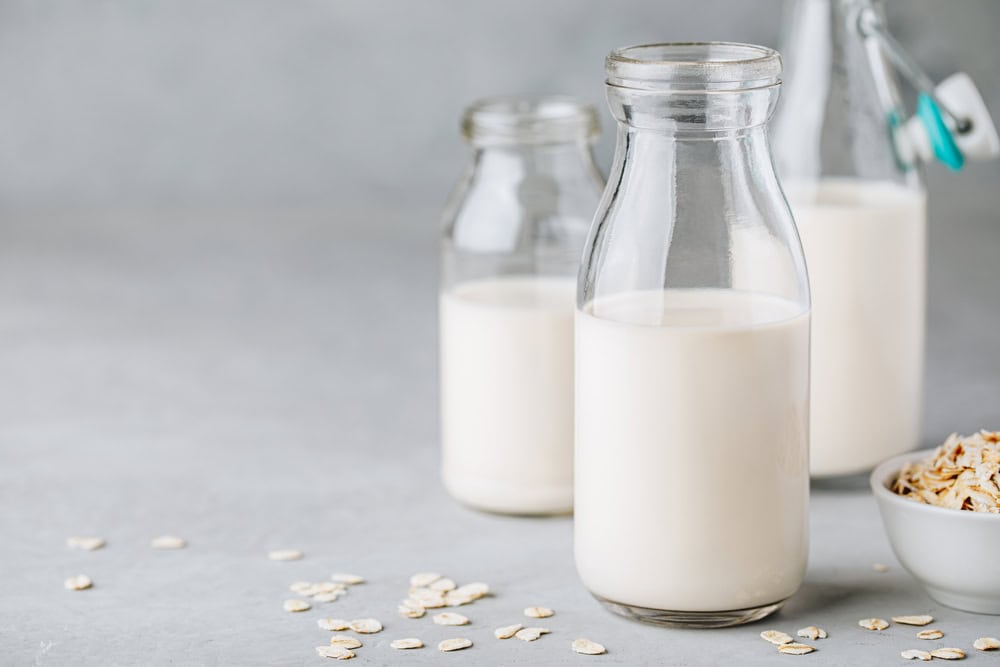
Pouring a glass of cold milk is physically impossible without gravity pulling the liquid downward. Fresh dairy spoils incredibly fast, and scientists refuse to waste precious cargo space on heavy refrigerators just for drinks. Spoiled milk would also produce a horrendous smell that the crew could never escape.
Calcium is definitely needed to help fight the bone density loss caused by living in space. The crew gets their required nutrients through powdered milk mixes that have an incredibly long shelf life. They simply inject warm water directly into the pouch and drink it through a special straw.
Unapproved Toys And Games
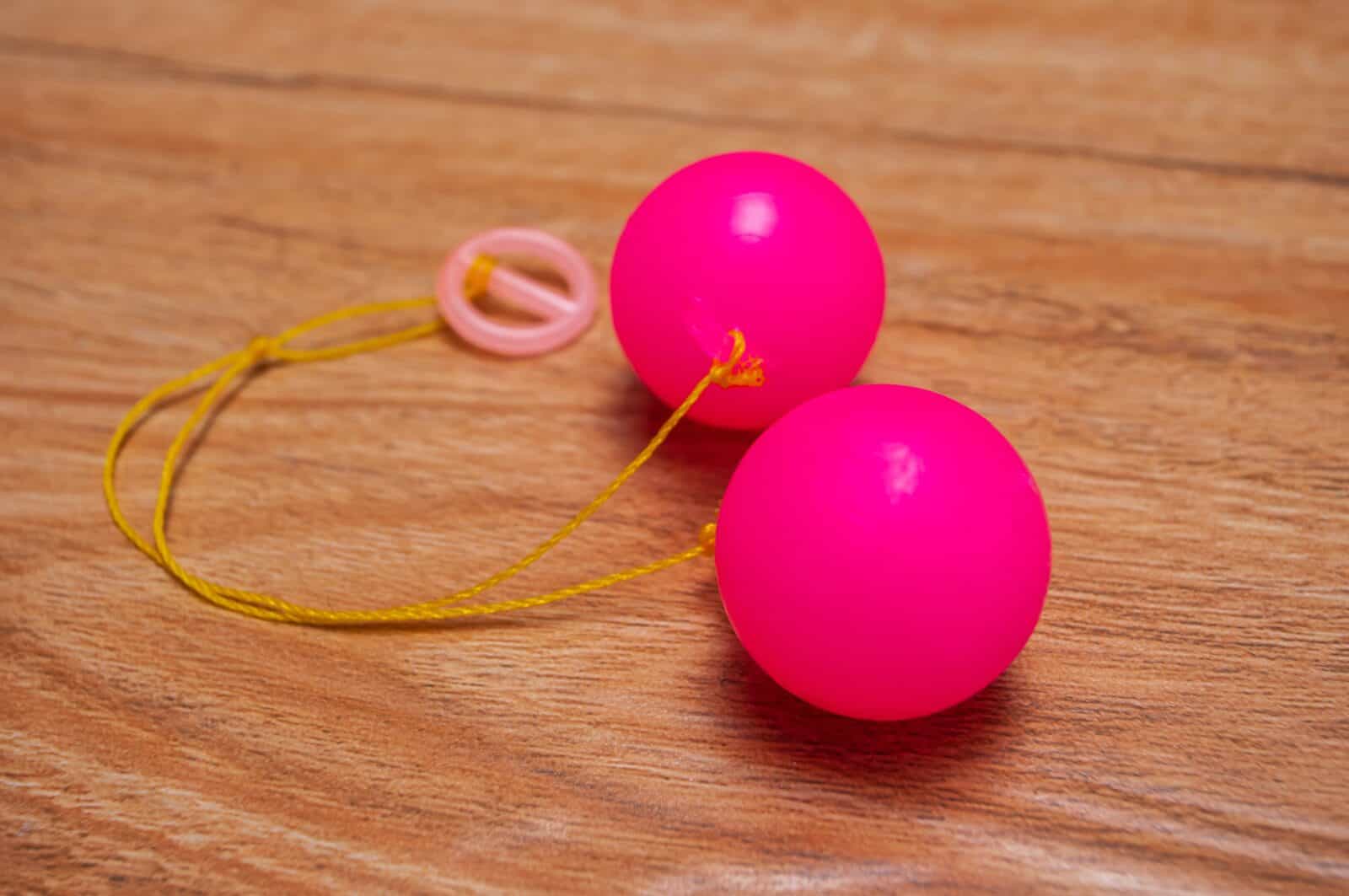
Entertainment is crucial for maintaining good mental health during a grueling six-month deployment. Personal toys with small floating parts or loud electronic components are rejected by the strict safety committee. A random plastic piece floating into a circuit board could literally short out a communication panel.
The crew still manages to have plenty of fun using approved musical instruments and digital tablets. Four astronauts generate roughly 2,500 kilograms of trash every year, so bringing useless plastic junk is heavily discouraged. Everything sent up must serve a clear purpose or provide maximum joy with minimal risk.
Like our content? Be sure to follow us