12 ways America’s public schools have struggled to meet Gen Z’s needs
Step into a modern American high school classroom, and you might experience a mild case of chronological whiplash.
The students’ phones say 2026, but the rigid rows of factory-style desks are whispering sweet nothings from the Industrial Revolution. Gen Z can feel this massive relevance gap before the first morning bell even finishes its metallic screech.
According to Gallup, engaged students are highly connected to their learning. Yet, today’s kids are scanning the syllabus for flexibility, belonging, and practical preparation, only to find a system still trying to boot up from a floppy disk.
Our teachers aren’t the villains here; many of them are fighting the good fight in the trenches daily. The struggle is clear: the system itself is still desperately trying to catch up to the digital-native minds sitting inside it.
Career pathways lack traction
A glossy career poster on a school wall cannot spark a teenager’s true passion. Students deserve to shadow professionals, tackle tough real-world challenges, and earn credentials long before graduation.
These raw, firsthand experiences expose crucial deal-breakers and hidden talents long before the first tuition bill arrives. Yet, most schools wait until senior year to introduce these pathways, leaving families to gamble thousands on blind college choices. We must replace outdated brochures with active, immersive learning to protect our students’ futures. Step inside the classrooms rewriting the rules of today’s education.
Schoolwork often feels irrelevant

A worksheet can feel miles away from the life a teenager expects to lead. That is exactly correct. A joint study by Gallup and the Walton Family Foundation shows Gen Z students are deeply disconnected from traditional K–12 learning. That gap can drain curiosity before a lesson even begins. Students want to see why a topic deserves their attention and where it fits outside the classroom.
Schools can respond by giving young people more choice, clearer purpose, and projects that build on personal strengths. Relevance turns “Do I have to?” into “What can I do with this?” A purposeful lesson also gives parents a clearer answer when teens ask why the work matters.
Reading has lost its pull
Reading opens private doors to wild new worlds, yet millions of students rarely turn the handle. Why? Classrooms kill the magic. We assign dusty, dry texts and weaponize chapters as standardized tests, transforming joy into a chore. But we can alter this course.
Educators must flood classrooms with diverse modern voices, dynamic audiobooks, and vibrant book clubs. Parents must fill shelves with irresistible choices. A sparked curiosity, dynamic passion, and zero guilt build lifelong readers. Give them the freedom to choose, and watch their worlds expand. The next page holds a quiet revolution they cannot afford to miss.
Mental health still shadows learning

A student cannot focus fully on an equation while carrying fear, grief, or constant emotional strain. The CDC Youth Risk Behavior Survey shows 40% of U.S. high school students felt persistently sad or hopeless. Schools need counselors, trusted adults, calm spaces, and clear routes to outside care. Teachers also need guidance on spotting distress without becoming substitute therapists.
Girls and other heavily affected groups deserve support that reflects their experiences. Academic recovery will stall when emotional pain keeps taking the front seat. Stronger care can help students return to learning with greater confidence.
Absence became harder to solve
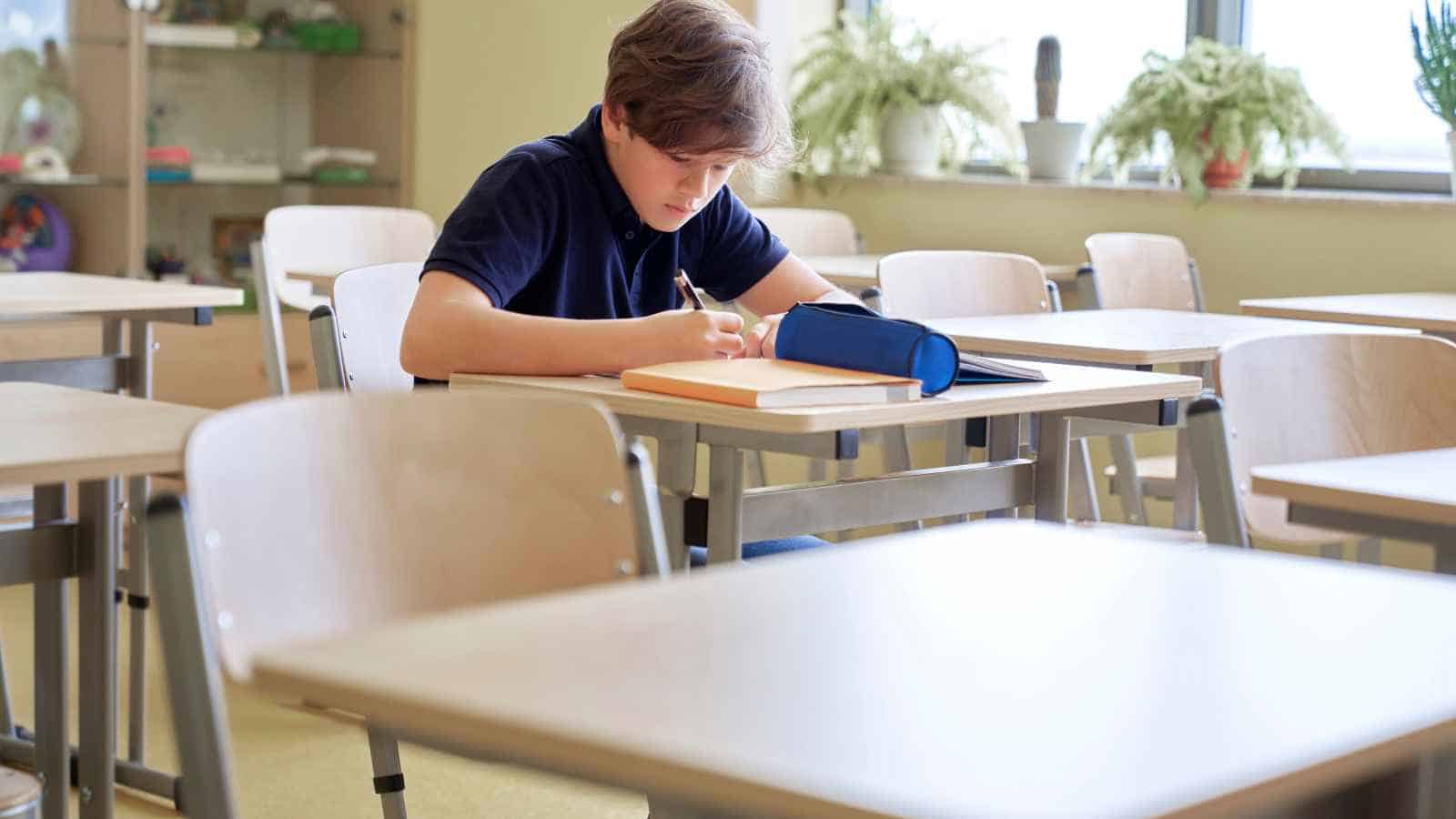
Empty desks tell a story far deeper than simple laziness. Behind every chronic absence lies a quiet, desperate battle: a broken-down car, an undiagnosed chronic illness, or a teenager caring for a sick parent. Punishment cannot cure these systemic barriers.
When schools swap rigid detention slips for dedicated support teams, the narrative changes entirely. By partnering with local health clinics, transit networks, and community groups, educators can rebuild the physical bridge back to the classroom. Academic recovery starts only when we clear a workable path to the school door. We can start doing it today.
Lessons need more action
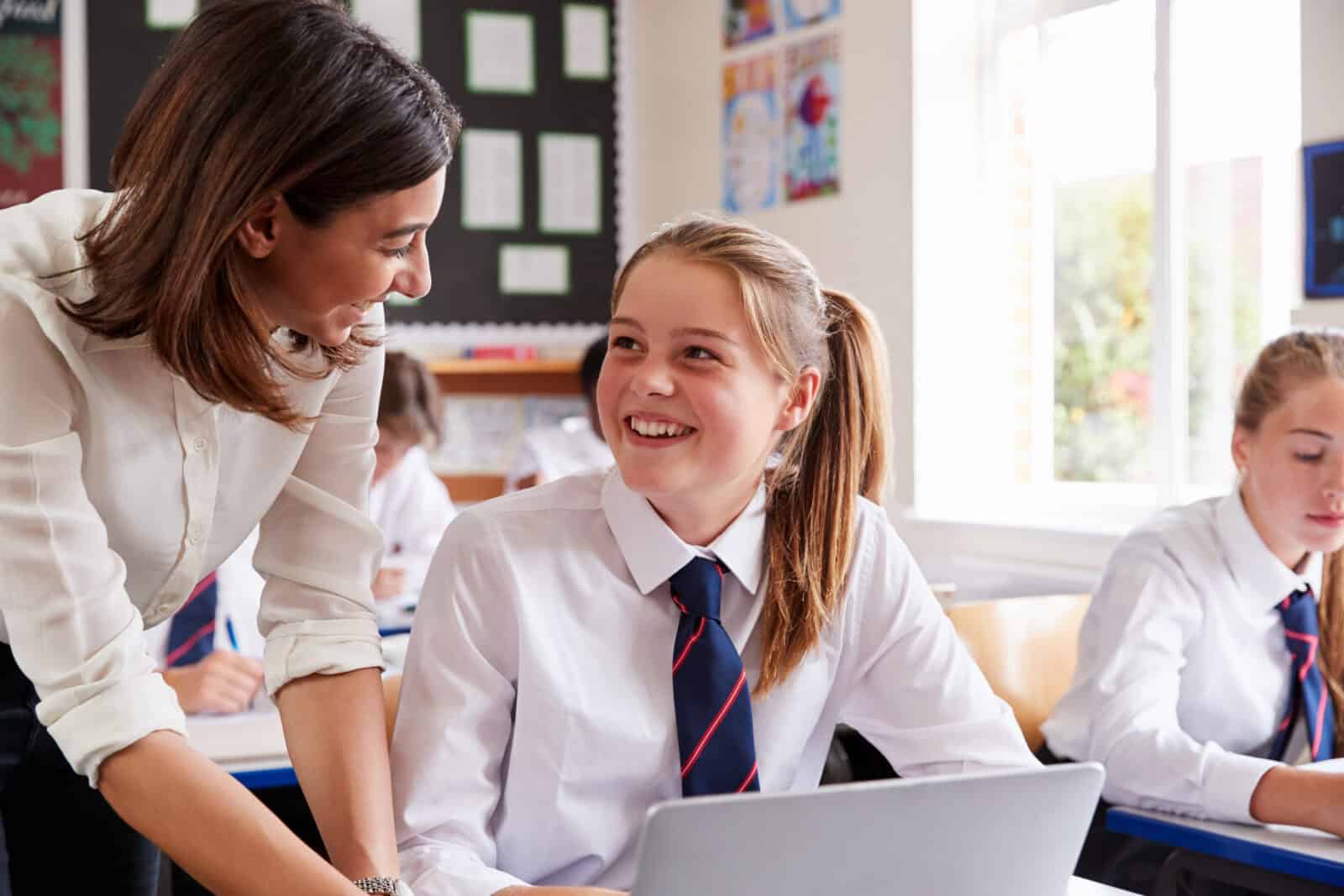
Gen Z has grown up tapping, testing, creating, and receiving quick feedback. A classroom built mainly around lectures and recall can feel strangely flat beside that world. Gallup News reports that nearly half (46%) of Gen Z K-12 students say hands-on experiences drive their interest in learning.
Active work lets students test ideas rather than simply memorizing facts for Friday’s quiz. It also helps practical thinkers and students who struggle with long verbal explanations. More labs, design challenges, role-play exercises, and community projects could make learning feel alive. Students remember what they build.
Special education faces a staffing squeeze
A severe staffing shortage cripples special education systems. Vulnerable students lose vital consistency and tailored support when vacant jobs delay services, crush remaining teachers under massive caseloads, and exhaust desperate families. To halt this growing crisis, school districts must boost educator pay, slash suffocating paperwork, and offer strong peer mentoring.
Retaining proven experts matters far more than endlessly chasing new recruits. True equity transforms a written legal promise into dependable daily classroom support. When schools fail to staff these classrooms, parents feel the pain of empty seats.
College cannot be the only map

Public schools often treat a four-year degree as the main road and everything else as a side street. That approach can leave talented students feeling invisible when they prefer skilled trades, entrepreneurship, military service, or paid training.
The Gallup and Walton Family Foundation Voices of Gen Z Study shows that students who do not plan to attend college are much more bored. Schools should give these teens equally ambitious goals and respected options. Strong advising can connect classes to apprenticeships, certificates, local employers, and technical programs. Every student deserves a plan that feels real, useful, and worthy of support.
Teacher vacancies reach every classroom

Empty desks at the front of classrooms do not just worry principals; they actively derail student potential. When a child faces a rotating line of substitutes or crams into an oversized room, learning grinds to a halt.
Unfilled teaching roles rob students of individual attention, kill elective programs, and force remaining staff to cover unfamiliar subjects. Meanwhile, exhausted school districts scramble to recruit talent and ease crushing workloads. Every empty chair in the staff room translates directly into a missed opportunity in the hallway. This quiet crisis is unfolding right now, and the lasting damage is severe.
Safety fears interrupt school

Imagine entering school worrying about physical survival instead of an algebra test. No child should have to calculate the safest route through the hallway before they even think about their next class. Yet, Centers for Disease Control and Prevention data show 13% of U.S. high school students missed school in 2023 because they felt unsafe at school or on their way there.
This constant anxiety paralyzes focus, destroys trust, and shatters a student’s sense of belonging. Empty promises and delayed actions fail all our families. To rebuild safety, schools must crush bullying immediately, foster respectful spaces, and deliver transparent updates.
Future readiness still feels thin
Gen Z still holds onto hope, making the classroom’s outdated blueprint even more jarring. Today’s students demand real-world skills, mentorship, and flexible paths, yet schools still drain their energy by forcing compliance rather than fueling initiative. We must bridge the massive chasm between rigid academics and actual survival tools like financial literacy, tech fluency, and civic action.
Hope transforms into real power only when preparation catches up. Graduates deserve a fierce confidence they earn through actual practice, not just a piece of paper. But the clock is ticking, and an urgent, quiet revolution is already brewing.
Teachers need stronger support

A great teacher can make a sleepy topic feel electric, yet many educators lack the time, training, and resources to teach that way every day. Gallup News reports that only 42% of students say most or all of their teachers make topics interesting. That result should not become another reason to blame exhausted teachers.
Districts must protect planning time, improve coaching, and give educators useful classroom materials. Students notice energy, clarity, and care within minutes. Better support can help more teachers spark the learning young people say drives their best learning. That investment can lift classroom morale and student confidence.
Key takeaway

America’s public schools show progress, yet Gen Z still faces huge gaps in safety, mental health, staffing, and career prep. We don’t need to scrap academic standards to fix this. Instead, schools must anchor those standards in real-world problems, personal strengths, and diverse career paths.
By bridging this critical divide, we transform standard classrooms into powerful launchpads. This generation still holds onto a resilient hope. Now, the education system must step up to give that hope concrete tools, clearer direction, and the room to grow. The blueprint is ready, but will we now build the future they deserve?
Disclaimer – This list is solely the author’s opinion based on research and publicly available information. It is not intended to be professional advice.
Like our content? Be sure to follow us.