How a thief, not da Vinci, made the Mona Lisa iconic
Leonardo da Vinci’s Mona Lisa may be the world’s most famous painting today, but she achieved star status largely because of a dramatic art heist in 1911, and a string of bizarre incidents that followed.
The 1911 Heist that Made Her Famous

On August 21, 1911, Italian handyman and former Louvre worker, Vincenzo Peruggia, concealed himself inside the museum after hours. He removed Mona Lisa from its wall, hid it beneath his coat, and walked out the next day. The painting disappeared until its absence was discovered, sparking an international scandal.
A Vanished Masterpiece and Global Frenzy

Mona Lisa was missing for over two years. Headlines around the world questioned whether she was stolen by an art lover, political extremist, or clever forger. The Louvre was closed for a week, borders were sealed, and 6,500 wanted posters were circulated. Tourists lined up to gaze at the bare wall where she once hung.
Peruggia’s Motives—Patriotism or Profit?
Peruggia claimed he stole her out of loyalty to Italy, believing the painting had been looted by Napoleon. But historians suggest financial gain may have played a role. In Florence, he tried to sell the painting to an art dealer, claiming nationalist motives in a letter signed simply “Leonardo.”
The Recovery and Global Return

In December 1913, Mona Lisa resurfaced in Florence when Peruggia attempted to sell her. Once displayed at the Uffizi, crowds mobbed the gallery before she returned to the Louvre in early 1914. Peruggia served less than a year in prison and was celebrated by Italian nationalists.
World War II and Secret Flights

To protect her from war damage, Mona Lisa was moved to several safe locations, including Château d’Amboise and Château de Chambord, during World War II. She resurfaced unharmed after the conflict.
Vandal Attacks Over the Years
Beyond theft, the painting suffered several attacks. In 1956 a visitor threw a rock that shattered the glass, slightly chipping her elbow. In 1974 a protester sprayed red paint on the glass at Tokyo’s National Museum. In 2009 a woman hurled a ceramic cup at the glass in Paris. In 2022 a climate activist smeared cake on the glass. In every case the painting remained protected.
Security Upgrades and Bullet‑Proof Glass
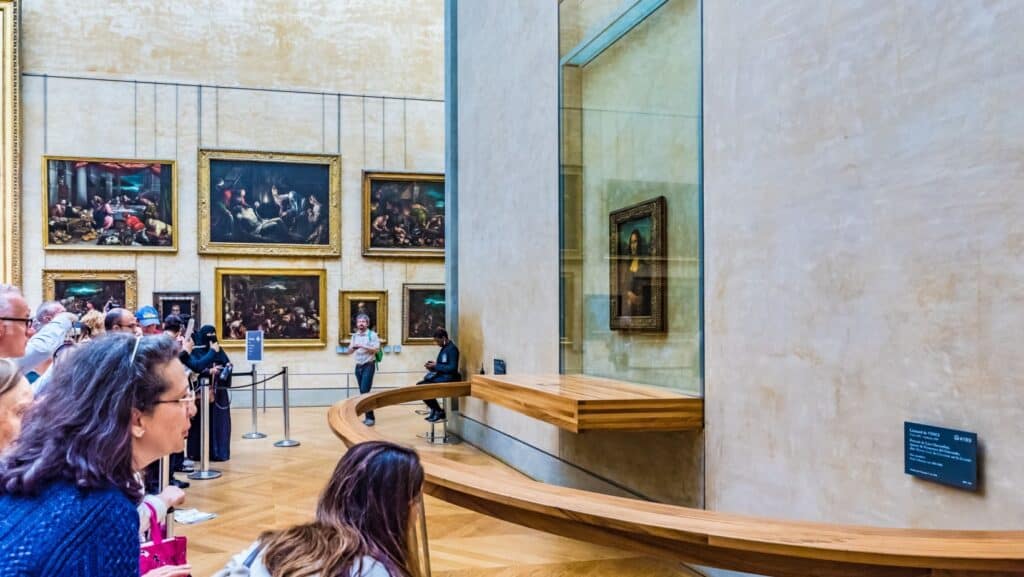
After the 1956 rock incident, Louvre installed bullet‑proof glass surrounding Mona Lisa. Since then, all attacks have been intercepted without harm to the painting. Today she is housed in a climate‑controlled, secure chamber.
A Mystery of Underlying Portraits

Advanced imaging techniques discovered possible underdrawings beneath Mona Lisa, sparking debate about hidden layers or alternative portraits. Some scholars speculate Leonardo reused parts of earlier works or experiments.
Fame Born of Infamy
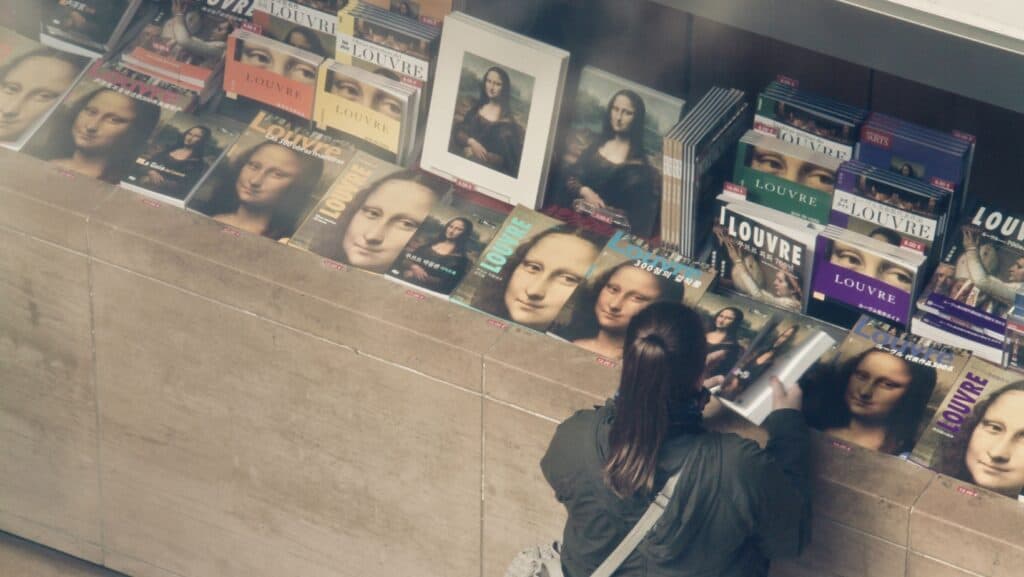
Before the 1911 theft Mona Lisa was only modestly known. Her world‑famous status really began after the scandal. She was soon featured in countless postcards, songs, films, and advertisements. Today she is recognized even by people who have never seen her in person.
Legacy of an Iconic Smile

From obscurity to the next century’s most iconic painting, the Mona Lisa’s story entwines theft, nationalism, conspiracy, preservation, and myth. Her legend continues today with plans for a dedicated gallery at the Louvre, cementing her status as art’s ultimate celebrity.
The Takeaway
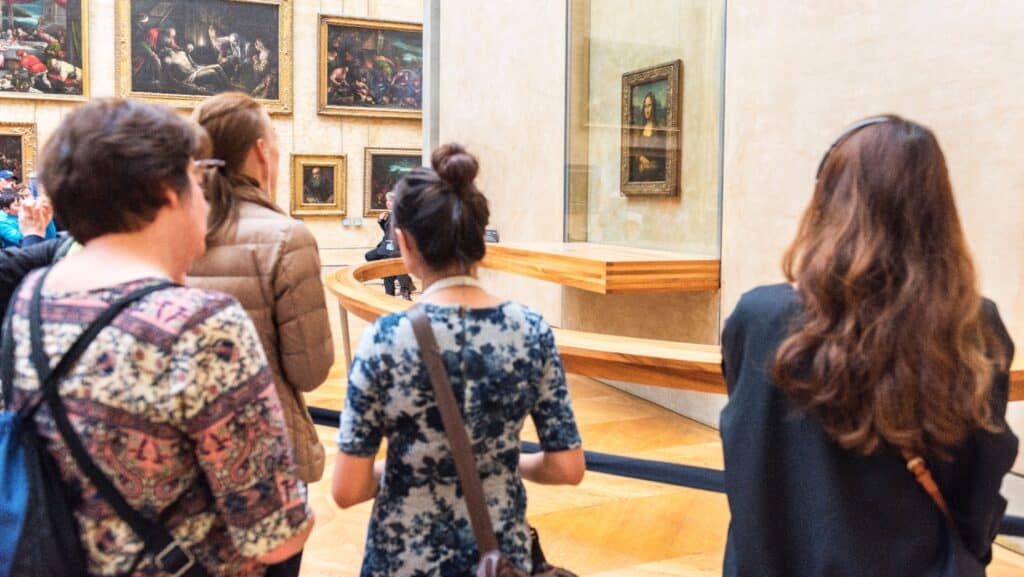
Though painted in the early 1500s Mona Lisa owes much of her renown to modern intrigue. Thanks to thefts, vandalism, bold rescue missions, and the relentless media spotlight, she transformed from one of Leonardo’s many portraits into the painting the world knows. The mystery, the myth, and that famous smile endure, timeless and untouchable, behind glass, and beyond doubt.
Why Andy Warhol Still Matters: 10 Things You Didn’t Know About the King of Pop Art
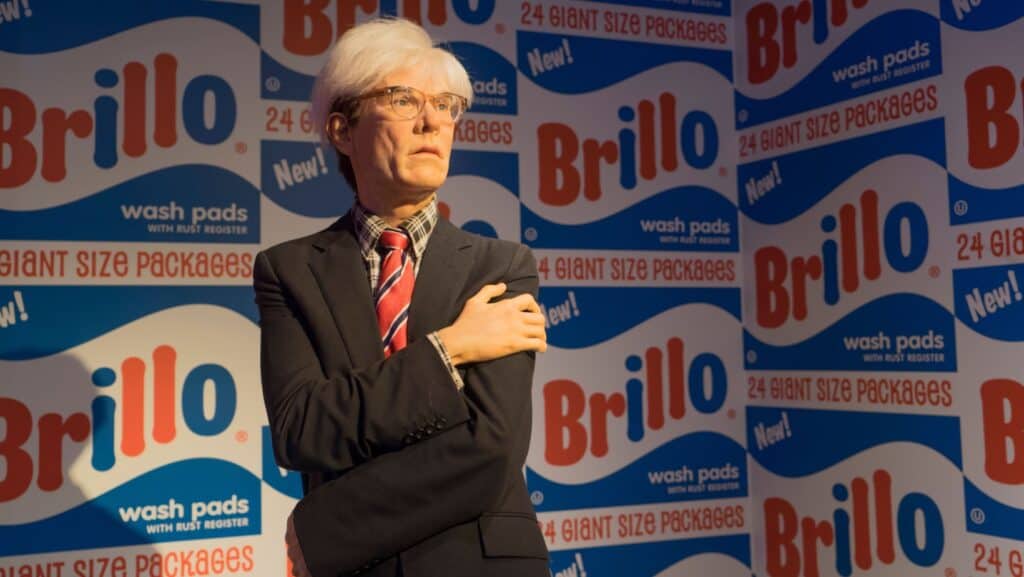
He painted soup cans, turned celebrities into icons, and once predicted we’d all be famous—for 15 minutes.
READ: Why Andy Warhol Still Matters: 10 Things You Didn’t Know About the King of Pop Art
Love this content? Follow us on MSN for more!