The $2.3 billion ghost terminal: Why San Francisco built a massive transit center with no trains
A sparkling, multi-billion-dollar transit hub sits in the heart of a major American city, but it has absolutely no trains. This bizarre situation is the daily reality at San Francisco’s Salesforce Transit Center. The city spent an incredible $2.32 billion on a world-class terminal that currently functions as a glorified bus stop.
Commuters walk past empty underground spaces where active rail lines should be humming. Local Supervisor Aaron Peskin famously complained that it “looks like the most expensive bus terminal in the history of humankind.”
The lack of rail connections keeps the terminal operating at a tiny fraction of its true passenger capacity. The statistics reveal why this massive project became a ghost terminal and what’s being done to fix it.
The grand design without any tracks
Deep beneath the streets lies a massive, two-level concrete shell that cost $728.5 million. It’s about four stories high and stretches for nearly four blocks. This subterranean structure, known as the “train box,” was custom-built to hold six trains at once.
The design was meant to connect local commuter rail with future high-speed bullet trains. But not a single piece of track has been laid inside this giant concrete cavern. Instead, the massive space sits completely empty, waiting for a connection that hasn’t arrived.
An eye-watering tunnel price tag

To get trains into the building, the city must dig a brand-new tunnel. The project is called “The Portal” and will stretch 1.3 miles to the nearest existing tracks. The latest 2025 cost estimate for this short tunnel is a staggering $7.57 billion.
This price tag makes it one of the most expensive transit projects per mile in the world. Building under dense, high-value real estate requires complex engineering and endless patience. With construction not expected to start until the end of 2026, the timeline keeps dragging out.
Structural cracking and immediate shutdown
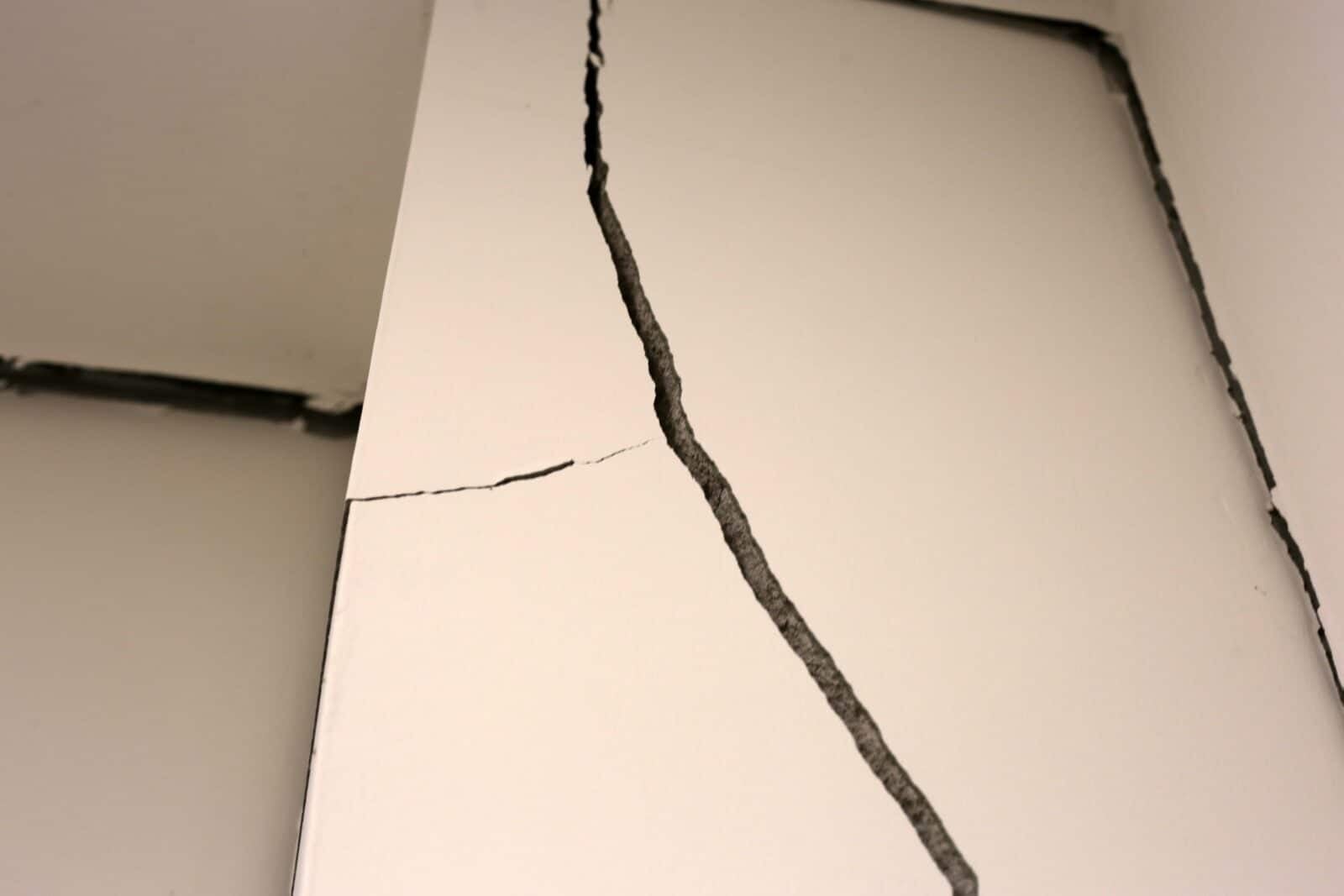
The terminal’s grand opening in August 2018 quickly turned into a complete nightmare. Just six weeks into service, workers discovered deep structural cracks in two massive steel support beams. The transit authority was forced to abruptly close the entire facility for ten painful months.
Mark Zabaneh, the agency’s executive director, blamed a “failure of quality control” during fabrication. Structural engineer David Williams noted that restrictive domestic steel sourcing rules created extreme design challenges. The hub eventually reopened in July 2019, but the early disaster left a lasting stain on the project’s reputation.
A ghost town in a post-pandemic world

The shift to remote work has hollowed out the surrounding financial district. San Francisco’s downtown has had the slowest pandemic recovery among major American cities. Office vacancy rates skyrocketed by 290% as major tech employers subleased their spaces.
To offset massive cost overruns during construction, the city signed a 25-year, $110 million naming-rights deal with Salesforce. While the rooftop park remains a popular green escape, the transit halls below remain quiet.
The high-speed rail funding puzzle

Funding is the biggest roadblock to completing the terminal. The project still faces a capital funding gap just to build the connecting tunnel. There’s also a projected $24 million annual operating deficit once the trains finally start running.
Despite these financial headaches, there is some real cause for optimism. Caltrain completed its fleet electrification in late 2024, resulting in a 47% surge in ridership. Governor Gavin Newsom called the electrified line a proof of concept that shows the state’s rail investments are paying off.
Key takeaway

San Francisco’s massive terminal is a visionary project built decades before its rail connections were ready. The city created a beautiful transit hub, but must now spend billions more to make it fully functional. Until the connecting tunnel is built, this multi-billion-dollar landmark will remain a grand terminal without any trains.
Disclaimer – This list is solely the author’s opinion based on research and publicly available information. It is not intended to be professional advice.
Like our content? Be sure to follow us