12 paths that can lead to singleness for women today
Singleness among women has become one of the biggest social shifts of the modern era. According to data published by the Pew Research Center, marriage rates in the United States have steadily declined over the past several decades, while more women are delaying marriage, prioritizing education, building businesses, and living independently longer than previous generations.
The U.S. Census Bureau also reported rising numbers of single-adult households, reflecting changing relationship expectations and economic realities. Modern womanhood looks dramatically different from how it did 40 years ago, and dating patterns have changed alongside it.
Attention often centers on blaming dating apps, men, feminism, or social media, but the reality is far more layered. Singleness rarely develops because of one decision alone. Career ambition, emotional healing, economic pressure, family background, spiritual values, and shifting cultural expectations all shape relationship outcomes.
Many women thrive while single and intentionally build meaningful lives outside traditional timelines. Others desire marriage deeply but encounter obstacles that feel difficult to navigate.
Modern dating culture has created greater freedom, though it has also introduced greater complexity.
Prioritizing Career Growth During Key Relationship Years

Professional ambition reshaped relationship timelines significantly. More women pursue advanced degrees, launch businesses, enter leadership positions, and build financial independence before considering marriage seriously.
According to U.S. Bureau of Labor Statistics data, women continue to increase their participation in high-skill professions requiring years of training and career dedication. Career focus itself does not prevent healthy relationships.
Timing often becomes complicated when demanding schedules reduce opportunities for emotional connection and long-term dating. Corporate advancement may require relocation, overtime, travel, or emotional energy, leaving little room to consistently nurture relationships.
Many successful women also report difficulty finding partners who are comfortable with their ambition, income level, or lifestyle independence.
Healing After Toxic Relationships
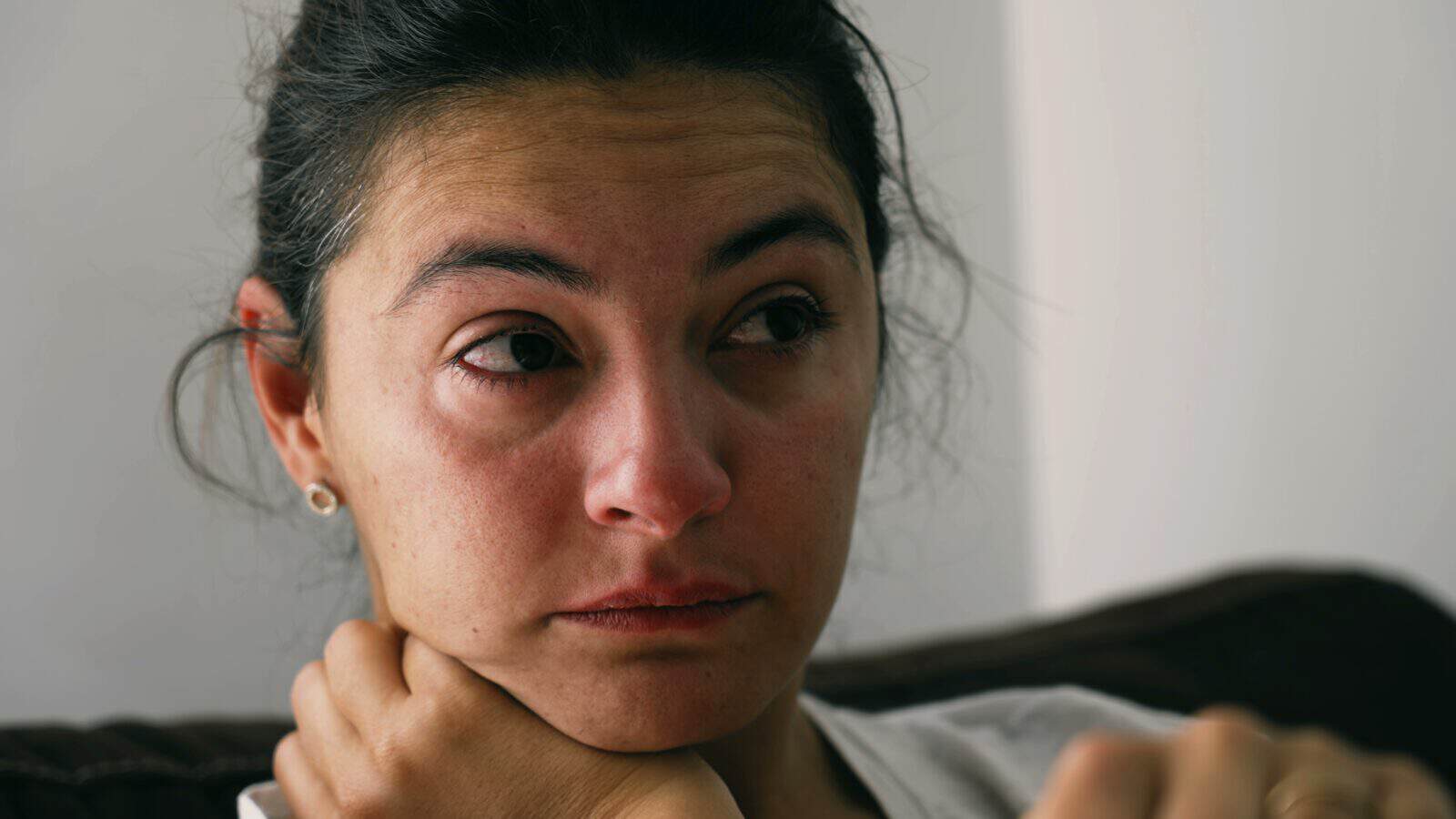
Emotional recovery can quietly extend a period of singleness for years. Women leaving manipulative, abusive, or emotionally exhausting relationships frequently spend long periods rebuilding trust, self-esteem, and emotional stability.
Therapists specializing in trauma recovery often explain that healing changes relationship priorities dramatically because peace becomes more valuable than temporary companionship.
Some women intentionally step away from dating entirely during healing seasons. Others become highly cautious entering new relationships because previous pain sharpened awareness of red flags.
Emotional self-protection can create healthier boundaries, though it may also increase fear surrounding vulnerability and trust. Healing often requires far more time than outsiders realize.
Unrealistic Relationship Expectations

Social media, romantic entertainment, and influencer culture heavily shaped modern expectations. Constant exposure to curated relationships, luxury proposals, and “perfect partner” narratives can sometimes create standards that real people find difficult to meet consistently.
Relationship experts frequently warn that fantasy-driven expectations can sabotage genuine connections. Some women unconsciously seek flawless emotional compatibility, financial success, physical attraction, spiritual alignment, humor, communication mastery, and constant emotional availability all at once.
Strong standards matter. Perfection rarely exists in real relationships. Excessive idealization can turn dating into a constant process of elimination in which no one feels good enough.
Fear of Settling
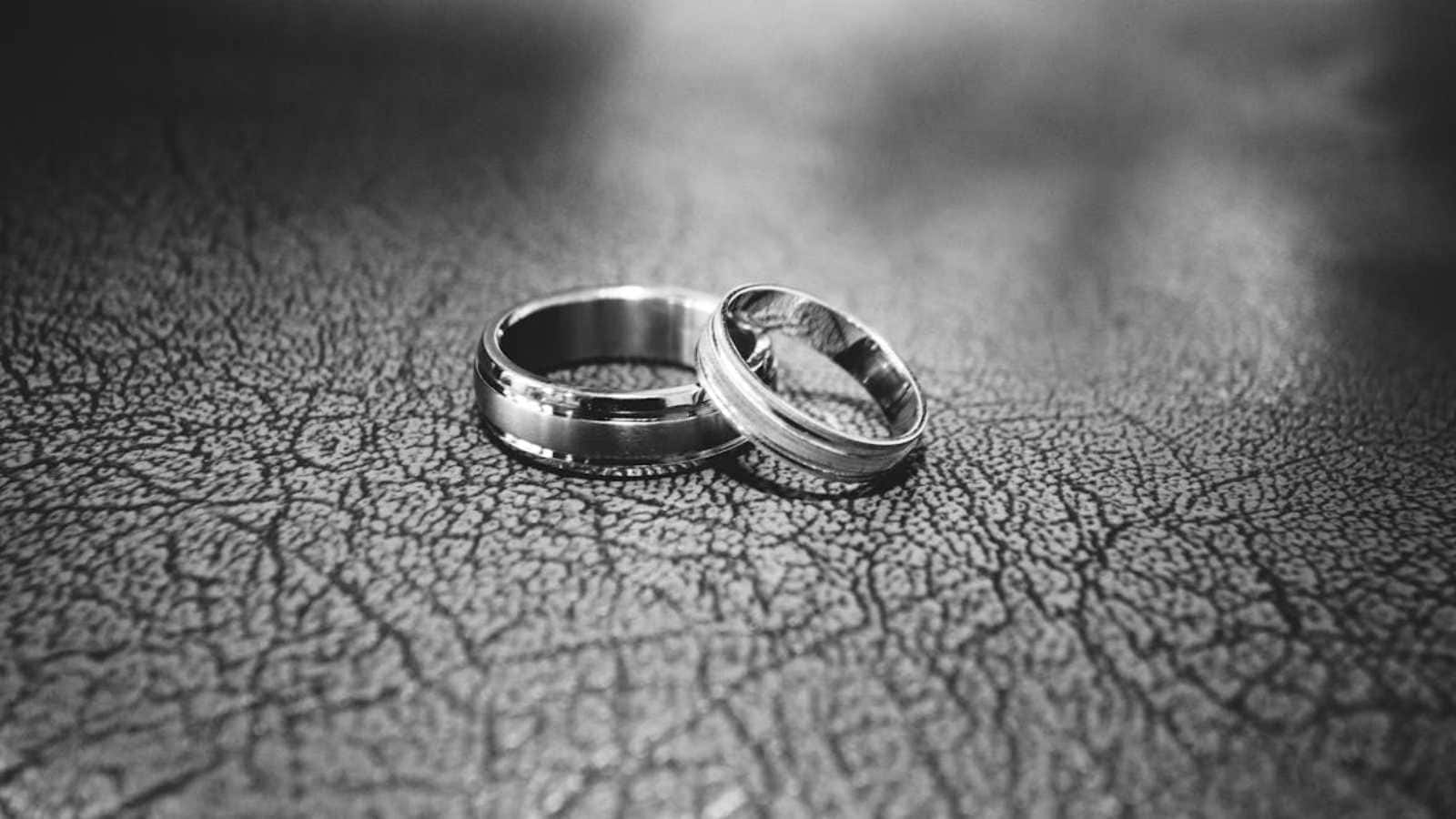
Many women watched unhappy marriages closely as they grew up. Divorce rates, infidelity stories, financial struggles, and emotionally disconnected partnerships deeply influenced modern relationship attitudes.
As a result, some women would rather remain single than enter relationships that compromise emotional safety, peace, or personal identity. Psychologists studying attachment and relationship behavior often note that fear of making the wrong choice increased significantly among younger and middle-aged adults.
Modern culture offers more relationship freedom than previous generations, but increased options also intensify decision anxiety. Some women remain stuck between wanting love and deeply fearing relational disappointment.
Financial Independence
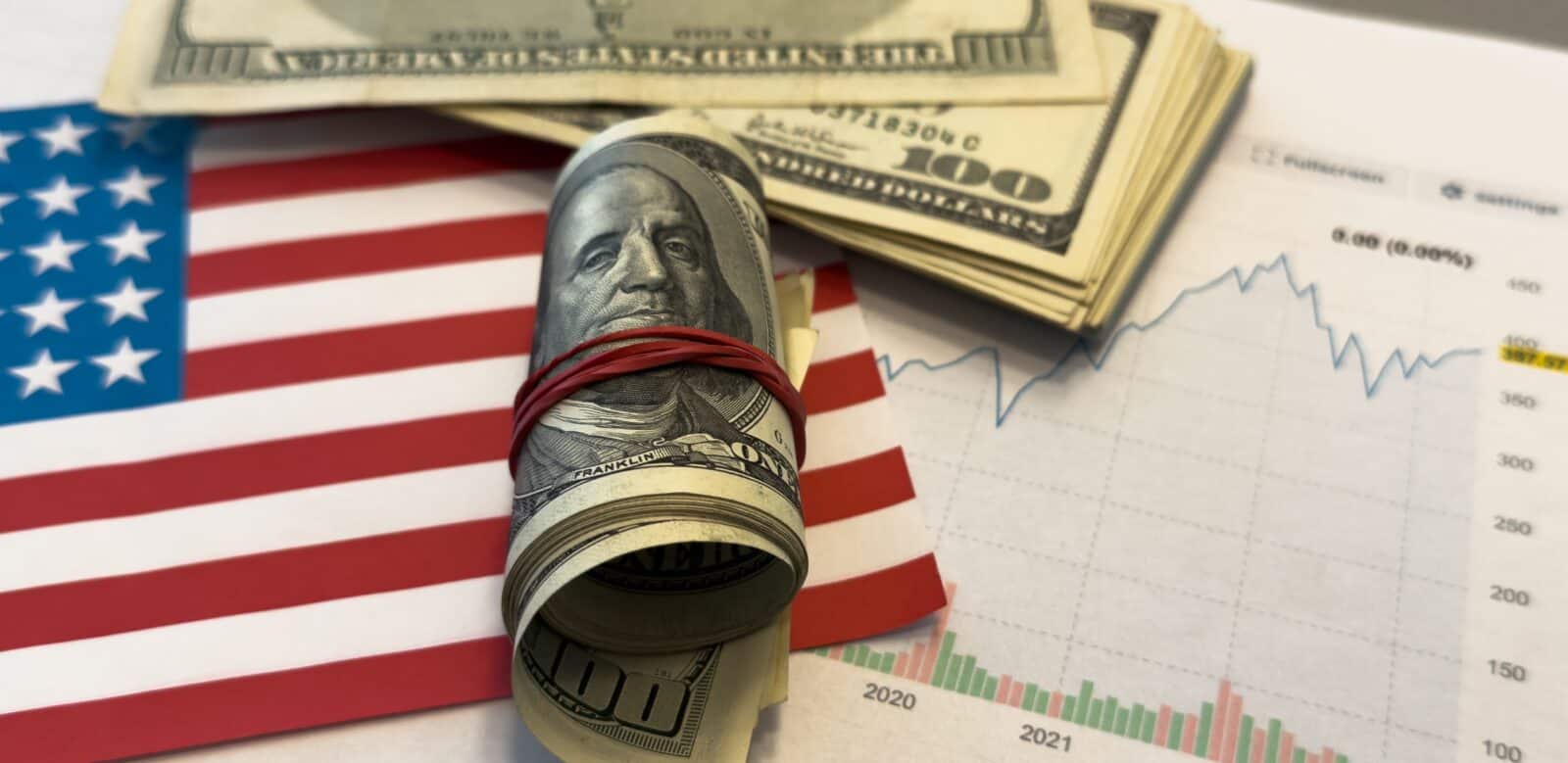
Financial independence changed dating dynamics profoundly. Earlier generations of women often relied more heavily on marriage for economic security. Modern women increasingly build stable incomes independently through careers, entrepreneurship, and investments.
According to the Federal Reserve Bank of St. Louis economic data, women’s educational and income gains continue to reshape household structures nationwide. Independence creates empowerment, though it also changes relationship expectations.
Many women no longer tolerate financial irresponsibility, emotional immaturity, or unstable lifestyles simply for the sake of a partnership. Compatibility standards often rise once survival no longer depends on marriage.
Healthy relationships increasingly revolve around emotional alignment rather than economic necessity alone.
Dating App Burnout
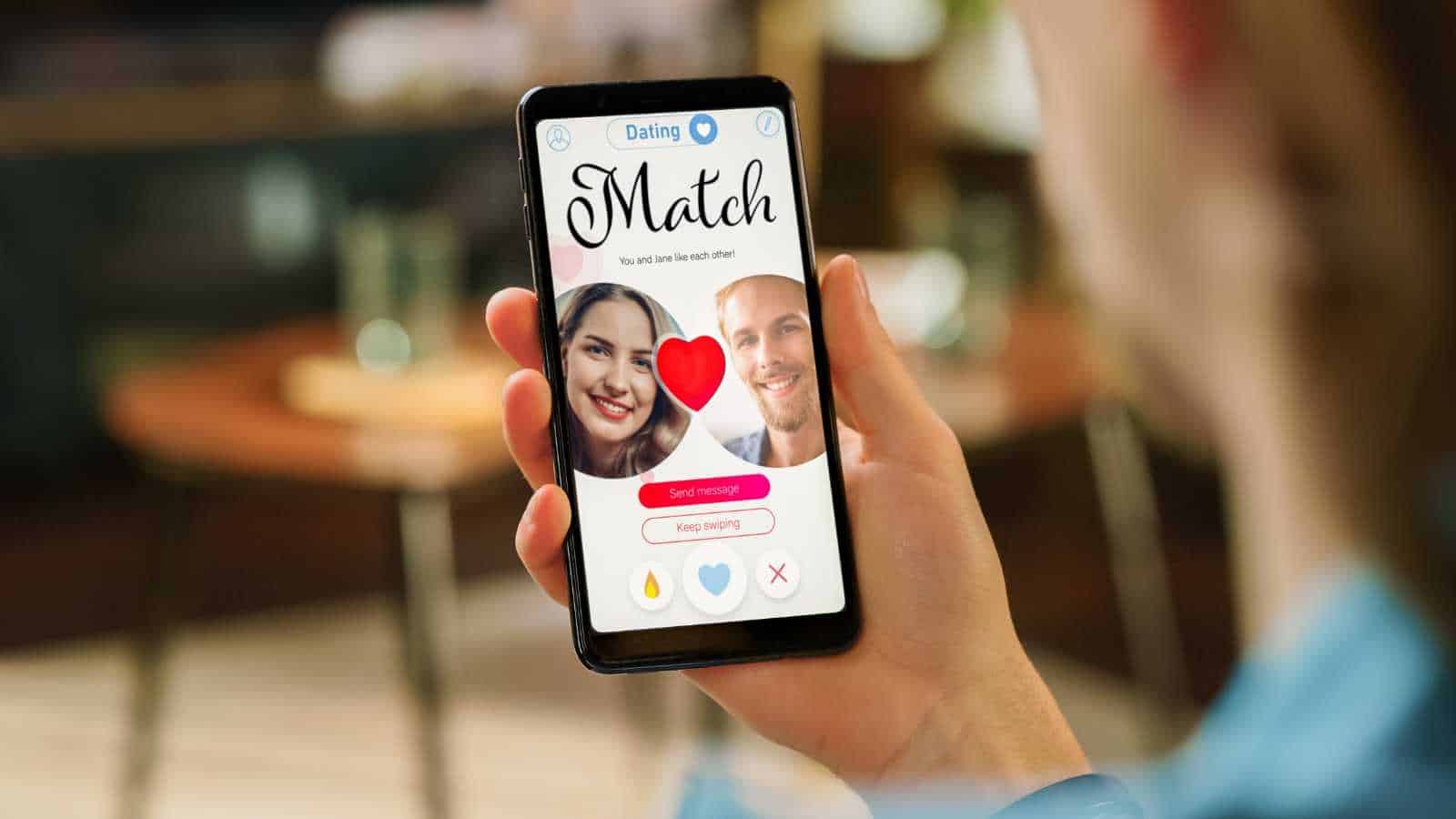
Dating apps expanded access to potential partners while simultaneously creating emotional fatigue. Endless swiping, ghosting, inconsistent communication, and superficial interactions drain optimism over time.
Many women report frustration with conversations that never progress meaningfully beyond surface-level attraction. Researchers studying digital dating behavior consistently identify rising burnout among app users.
Excessive choice can reduce emotional investment because people constantly assume that better options are just one swipe away. Women seeking serious relationships often describe modern app culture as emotionally exhausting rather than exciting.
Repeated disappointment gradually pushes some people away from dating entirely.
Carrying Heavy Family Responsibilities
Many women juggle caregiving responsibilities that significantly affect dating opportunities. Single motherhood, caring for aging parents, supporting siblings financially, or helping extended family members can consume enormous emotional and practical energy.
Relationships require time, vulnerability, and availability, which can become difficult under constant responsibility. Sociologists studying caregiving trends frequently point out that women still carry disproportionate family support roles across many households.
Emotional exhaustion affects romantic openness naturally. A woman balancing work, parenting, and caregiving may prioritize stability and peace over the challenge of navigating unpredictable dating experiences.
Avoiding Emotional Vulnerability
Strong independence sometimes develops alongside emotional self-protection. Women who spent years surviving hardship alone may struggle to let someone into deeply personal parts of their lives.
Emotional vulnerability requires trust, and trust becomes difficult after repeated disappointment or betrayal. Many women become excellent at handling life alone, which makes partnership emotionally unfamiliar rather than comforting.
Protective walls may prevent heartbreak temporarily while also limiting emotional closeness with healthy partners.
Geographic and Lifestyle Limitations

Location affects dating opportunities more than many people realize. Busy metropolitan areas often encourage career-first lifestyles and casual dating, while smaller towns may offer fewer compatible options.
Remote work also significantly reduced organic social interaction after the pandemic. Demographic studies show that educational and income differences increasingly affect dating patterns across geographic regions.
Women living in areas with smaller dating pools may struggle to find compatible partners who are spiritually, intellectually, or emotionally aligned. Lifestyle differences involving travel, work schedules, and social preferences further complicate relationship formation.
Comparison Culture
Comparison culture intensified dramatically through social media platforms. Constant exposure to engagement announcements, wedding photography, luxury vacations, and influencer relationships can distort emotional perspective.
Many women quietly compare their private reality against carefully curated online content. Mental health experts continue warning about the emotional effects of digital comparison. Feelings of inadequacy, pressure, and discouragement often increase when relationship milestones become public performance metrics.
Comparison also creates impatience, making ordinary relationships appear less exciting than highly edited online portrayals.
Spiritual or Moral Standards

Faith and values continue to shape relationship decisions strongly for many women. Christian women, for example, may seek partners who share their beliefs about marriage, family, integrity, and long-term commitment.
Finding deep spiritual compatibility sometimes narrows the dating pool considerably. Religious researchers consistently note that shared values strongly influence the stability of long-term relationships.
Many women remain single longer because they refuse relationships misaligned with their convictions. Outsiders may interpret selectiveness negatively, though strong moral standards often reflect intentional long-term thinking rather than unrealistic expectations.
Fear of Losing Personal Freedom

Modern women often build fulfilling lives independently before marriage enters the picture. Travel, entrepreneurship, friendships, hobbies, education, and personal growth all contribute to strong individual identities.
Some women fear that relationships may disrupt the peace, freedom, or self-development they have achieved through years of hard work. Relationship psychologists frequently explain that fear of losing autonomy heavily influences modern dating.
Healthy relationships require compromise, shared decision-making, and emotional interdependence. Women who highly value independence may hesitate to enter partnerships that they perceive as restrictive or emotionally draining.
Previous experiences with controlling partners often intensify this concern.
Key Takeaways
- Modern singleness among women reflects shifts in culture, economics, emotions, and relationships.
- Career ambition and financial independence reshaped traditional relationship timelines.
- Emotional healing and fear of unhealthy relationships influence dating decisions heavily.
- Social media and dating apps created both opportunity and emotional exhaustion.
- Many women prioritize peace, compatibility, and values over rushing into relationships.
Disclaimer: This list is solely the author’s opinion based on research and publicly available information. It is not intended to be professional advice.
Like our content? Be sure to follow us