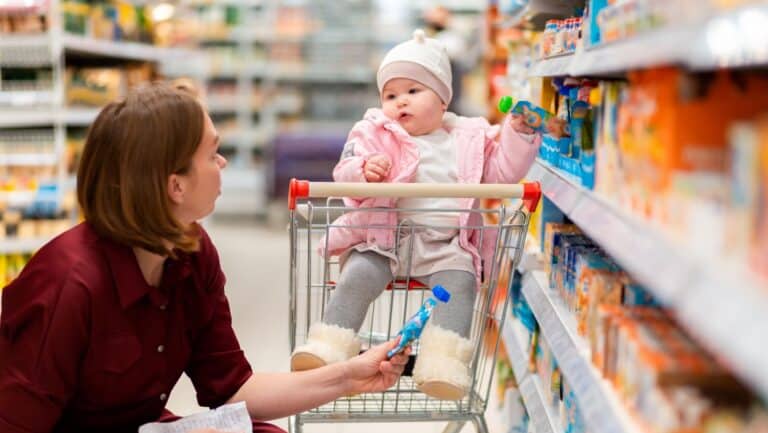
Why Shoppers Are Furious After These 10 Grocery Items Were Banned
A 2021 report by the California Office of Environmental Health Hazard Assessment (OEHHA), backed by researchers at UC Berkeley and UC Davis, concluded that synthetic food dyes are tied to hyperactivity and other neurobehavioral problems in some children.
Over the last two decades, the share of American children with diagnoses of Attention‑Deficit/Hyperactivity Disorder (ADHD) rose from around 6% to more than 10%. Some scientists argue that exposure to synthetic food dyes may have contributed at least in part to that rise, especially among the most sensitive kids.
Now, with regulators phasing out the most common petroleum‑based synthetic dyes, entire categories of snacks and treats are vanishing or being reformulated. The fight over food dyes isn’t only about health, it’s about identity, nostalgia, trust, and what “normal food” used to taste like.
What triggered the shake‑up
At the start of 2025, the U.S. Food and Drug Administration (FDA) formally banned FD&C Red No. 3 from all foods and ingested drugs, citing cancer risk seen in lab rats.
Soon after, the Department of Health and Human Services (HHS), together with the FDA, announced a broader plan to eliminate the remaining common petroleum‑based synthetic dyes — including Red 40, Yellow 5, Yellow 6, Blue 1, Blue 2, Green 3 — from America’s food supply by the end of 2026. Some states have moved even faster.
West Virginia became the first state to enact a full statewide ban on those dyes. The new law prohibits them in school meals starting August 2025, and in all food and drinks sold statewide by January 2028.
Kids’ cereals gone technicolor‑free
Many bright, sugary breakfast cereals, once loaded with artificial reds, yellows, and blues, are now being reformulated. Companies part of the reformulation wave include big names such as Kraft Heinz, which has pledged to phase out artificial dyes from its U.S. products by 2027.
For parents and nostalgic shoppers, that means boxes of those multicolored loops and marshmallow shapes will either look duller or disappear entirely. The result: frustration, especially for folks accustomed to bright‑colored breakfasts.
Candies and snack‑time hits are vanishing
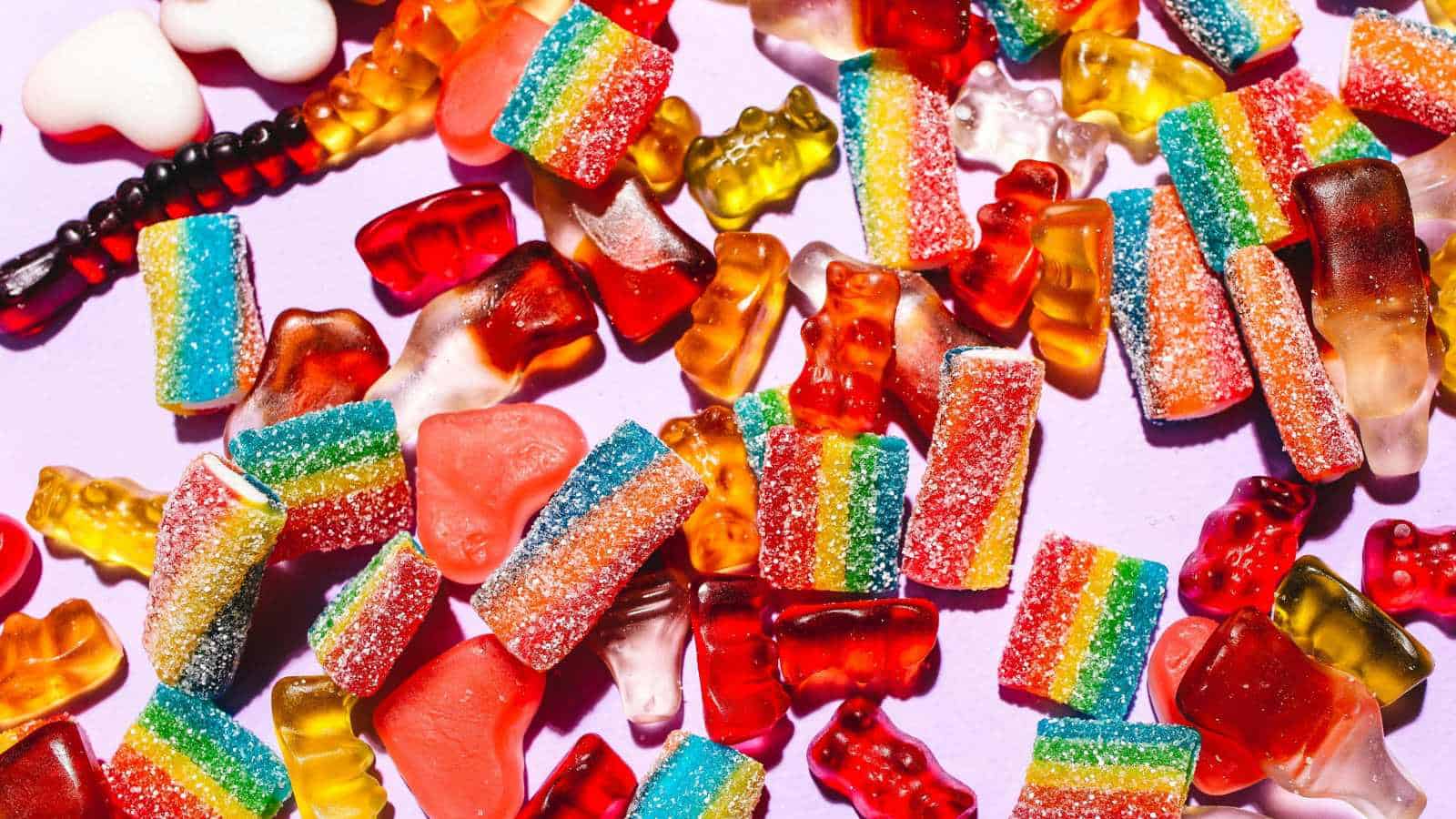
Colorful candies, think vivid reds, greens, bright blues, often relied on synthetic dyes. With the dye ban, many such snacks are either reformulating or being pulled from shelves entirely. Food makers say they will use natural dyes — but taste and texture may shift.
Shoppers complaining online call these changes a blow to childhood nostalgia. Neon‑red gummies or candy‑coated chocolates suddenly look muted; some say they won’t recognize them anymore.
Drinks, sodas, and neon beverages are turning bland
Some beverages, especially brightly colored sodas, fruit‑flavored drinks, and shelf‑oriented juices, relied heavily on synthetic colorants. These dyes are among those targeted by the FDA and state bans. As companies reformulate, some drinks will lose their signature hue. For color‑savvy consumers, the result feels like an unannounced shift in taste and brand image.
Dessert toppings and processed treats lose their pop
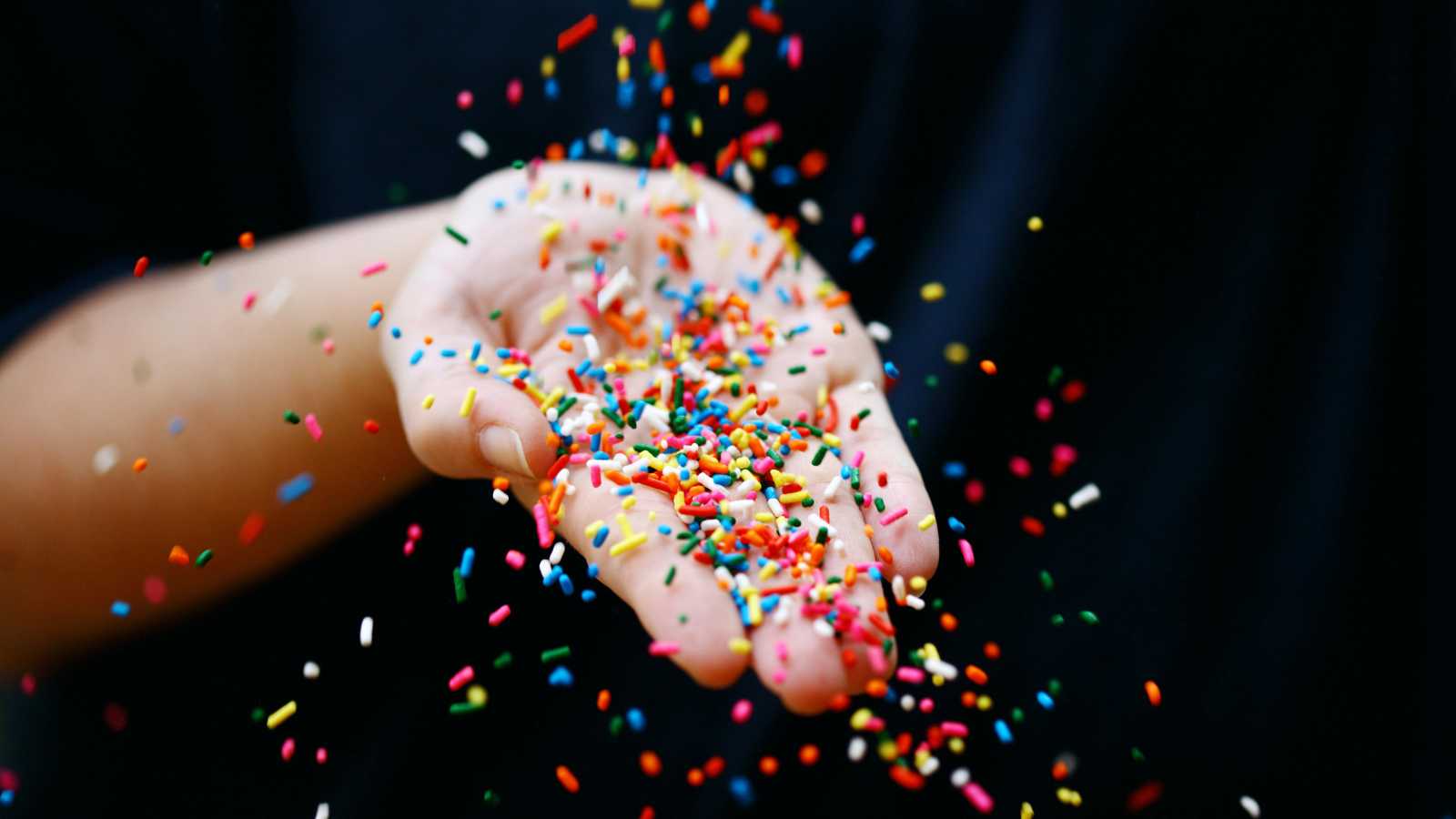
Items like brightly colored frostings, gelatins, and dessert sprinkles depended on artificial dyes to deliver visual appeal. With dyes gone, those rainbow‑sprinkled cookies and cakes look muted. Food‑and‑dessert enthusiasts say that removes part of the “fun.” Some manufacturers already say they are working to replace synthetic dyes with natural colorants such as beet juice, red cabbage, and sweet potato extracts.
Ice cream and frozen treats re‑imagined or rewritten
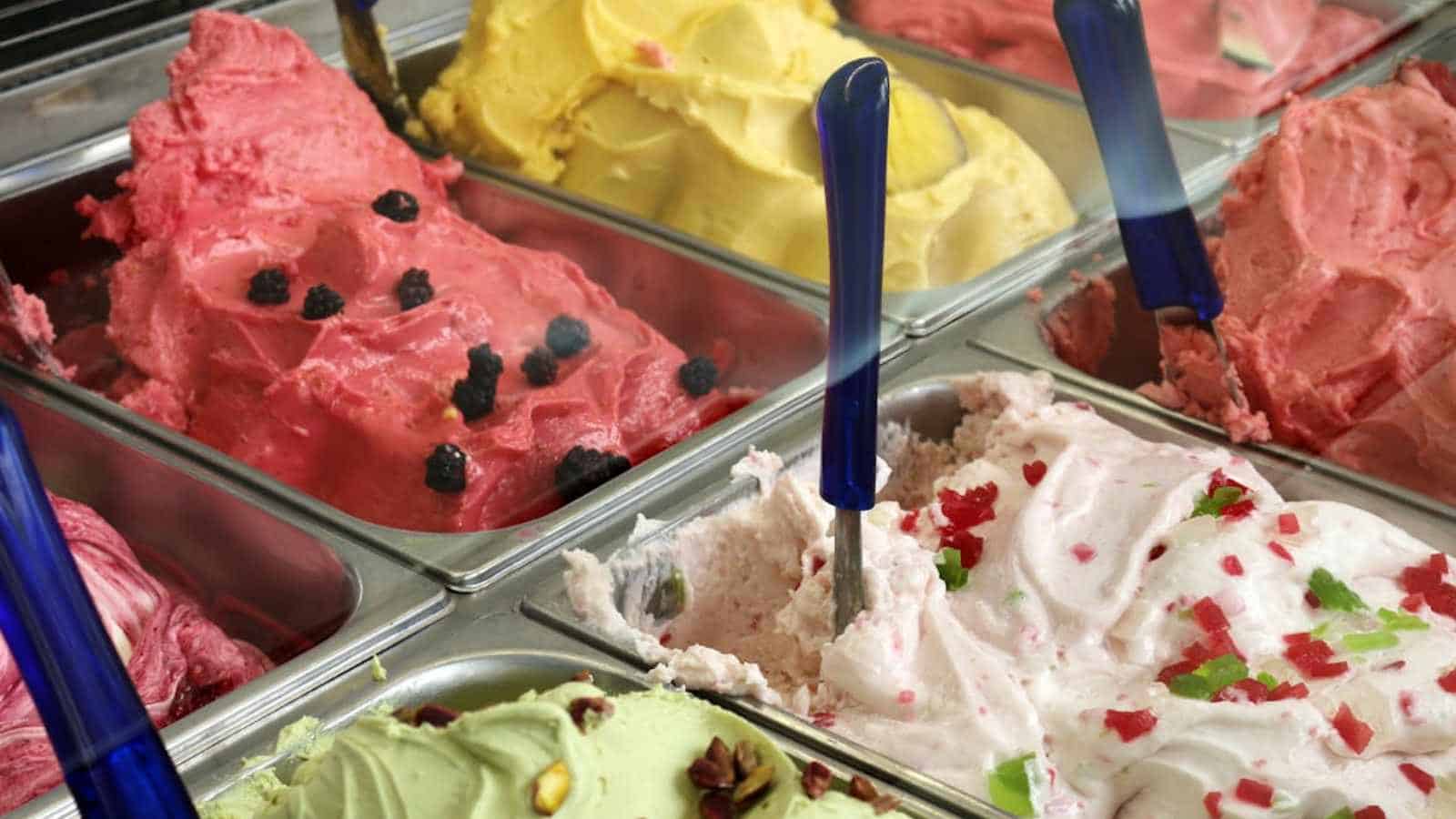
Dozens of U.S. ice‑cream producers covering over 90% of the U.S. market have committed to eliminating synthetic colors by 2028. That means swirled, vibrant-colored ice creams or sherbets may return as pastel or less flashy versions. For many, that change undercuts part of indulgence’s visual kick.
Moms and parents push back over “silent recipe changes.”
Some mothers say they open a familiar cereal or snack and feel tricked: same packaging, different insides. Others worry kids won’t accept the new versions because the colors look “off.” Parents whose kids have sensitive behavior or dietary restrictions had mixed reactions.
Some welcome the dye removal; others see the reformulations as unnecessary or heavy‑handed. RFK Jr. championed removing artificial dyes from food products, suggesting they are responsible for behavioral problems in kids.
Price worries and reduced choice
Natural dyes and reformulation cost food producers more. That extra cost may be passed on to consumers through higher prices or fewer flavor/variety options, especially in budget or generic brands.
Critics warn low‑income shoppers could be hardest hit. Smaller producers or niche brands might skip reformulation altogether. That could shrink variety, not just change recipes.
Regulatory patchwork creates nationwide confusion
Because bans vary by state, and federal action proceeds via a mix of dye revocations and voluntary industry phase‑outs, what’s banned in one place may still appear elsewhere. That inconsistency frustrates shoppers who travel across state lines or compare products online.
Some consumers can’t figure out whether a reformulated product is “the same” or “diluted.” Others worry about hidden ingredient changes under familiar brand names.
Skepticism over health claims and actual scientific backing
The original ban on Red No. 3 stemmed from evidence it caused cancer in lab rats, but the agency itself concedes those results don’t directly apply to humans.
Some nutrition experts argue the health risks from dyed foods may be overblown, but they also note that synthetic dyes add no nutritional value and that removing them could prompt the use of less‑processed, cleaner ingredients.
What this backlash reveals about American food culture
This moment shows how deeply attached shoppers are to sensory cues, color, nostalgia, and branding. Removing dye doesn’t just strip color; it alters memories, perceived taste, and brand identity. It’s also a sign of shifting expectations. For some, food is no longer just flavor and convenience; health and transparency matter. For others, the transformation feels unwelcome.
Key Takeaway
- Bright‑colored snacks and foods are disappearing or being reformulated.
- Reformulation may change taste, appearance, and availability — upsetting loyal buyers.
- Natural‑dye versions may cost more or offer less variety.
- Health benefits remain uncertain; trade‑offs include fewer options for kids.
- The transition reflects a deeper tug between consumer nostalgia and evolving food‑safety standards.
Disclosure line: This article was developed with the assistance of AI and was subsequently reviewed, revised, and approved by our editorial team.
20 Odd American Traditions That Confuse the Rest of the World
20 Odd American Traditions That Confuse the Rest of the World
It’s no surprise that cultures worldwide have their own unique customs and traditions, but some of America’s most beloved habits can seem downright strange to outsiders.
Many American traditions may seem odd or even bizarre to people from other countries. Here are twenty of the strangest American traditions that confuse the rest of the world.