12 Winter Habits From the 1970s That Wouldn’t Fly Today
Remember the distinct smell of wood smoke mixed with leaded gasoline on a crisp January morning? If you grew up in the 70s, winter felt like a slightly lawless wasteland compared to today’s high-tech, safety-obsessed world. I vividly remember my dad warming up our massive station wagon for 20 minutes while the exhaust created a toxic cloud in the driveway, completely unaware that he was just wasting gas.
According to the Department of Energy, modern cars only need about 30 seconds to warm up, but back then, we operated on myths and guesswork. We survived, sure, but looking at the data, it’s a miracle we made it to adulthood without frostbite or a citation.
Piling Kids Into Cars With No Seat Belts
Flashbak writes that in the 1970s, many families drove all winter with kids loose in the back seat, or even rolling around the cargo area of a station wagon. Seat belts were often buried in the cushions and ignored. Child car seats, when used at all, were flimsy, often designed more to keep kids contained than to actually protect them in a crash.
Today, most countries treat this as unthinkable. Widespread seat‑belt laws were introduced in the 1980s, and modern car seats must meet strict crash‑test standards. The National Highway Traffic Safety Administration shows that seat belts reduce the risk of death for front‑seat passengers by about 45%, which is why winter road trips now start with clicking everyone in.
Heating the House With the Oven
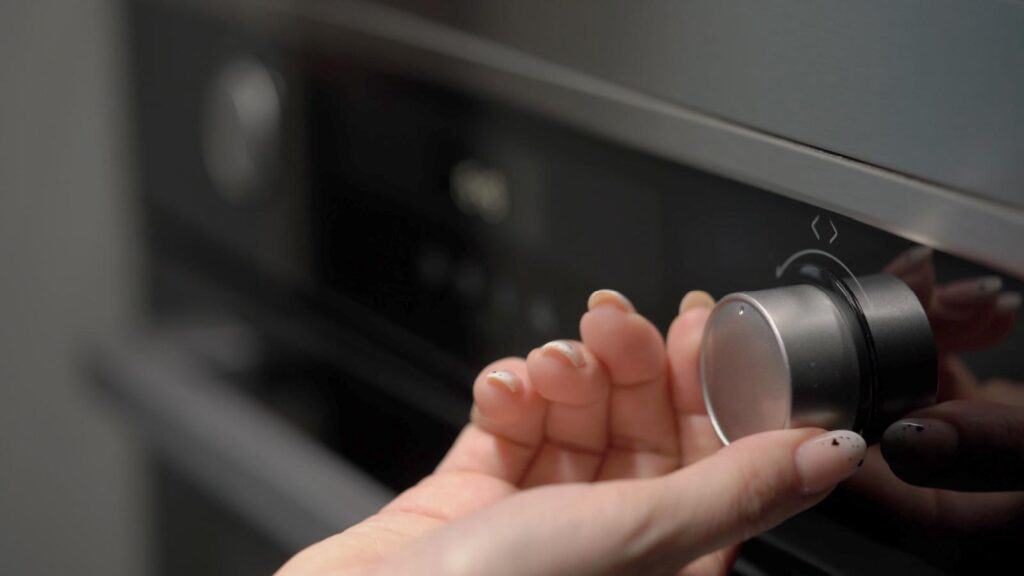
If the furnace went out or the house felt drafty, some 1970s families opened the oven door to “take the chill off.” It was common enough that safety campaigns only later started warning against it. Using a natural‑gas oven this way can lead to dangerous carbon monoxide buildup, an invisible gas that can cause headaches, dizziness, and even death.
Modern HVAC and safety experts are blunt: an oven is designed to cook food for short periods, not to run for hours as a space heater. Today, using an oven to heat your home is widely labeled as unsafe, especially in tightly sealed winter homes where gases can accumulate quickly.
Smoking Everywhere With the Windows Closed
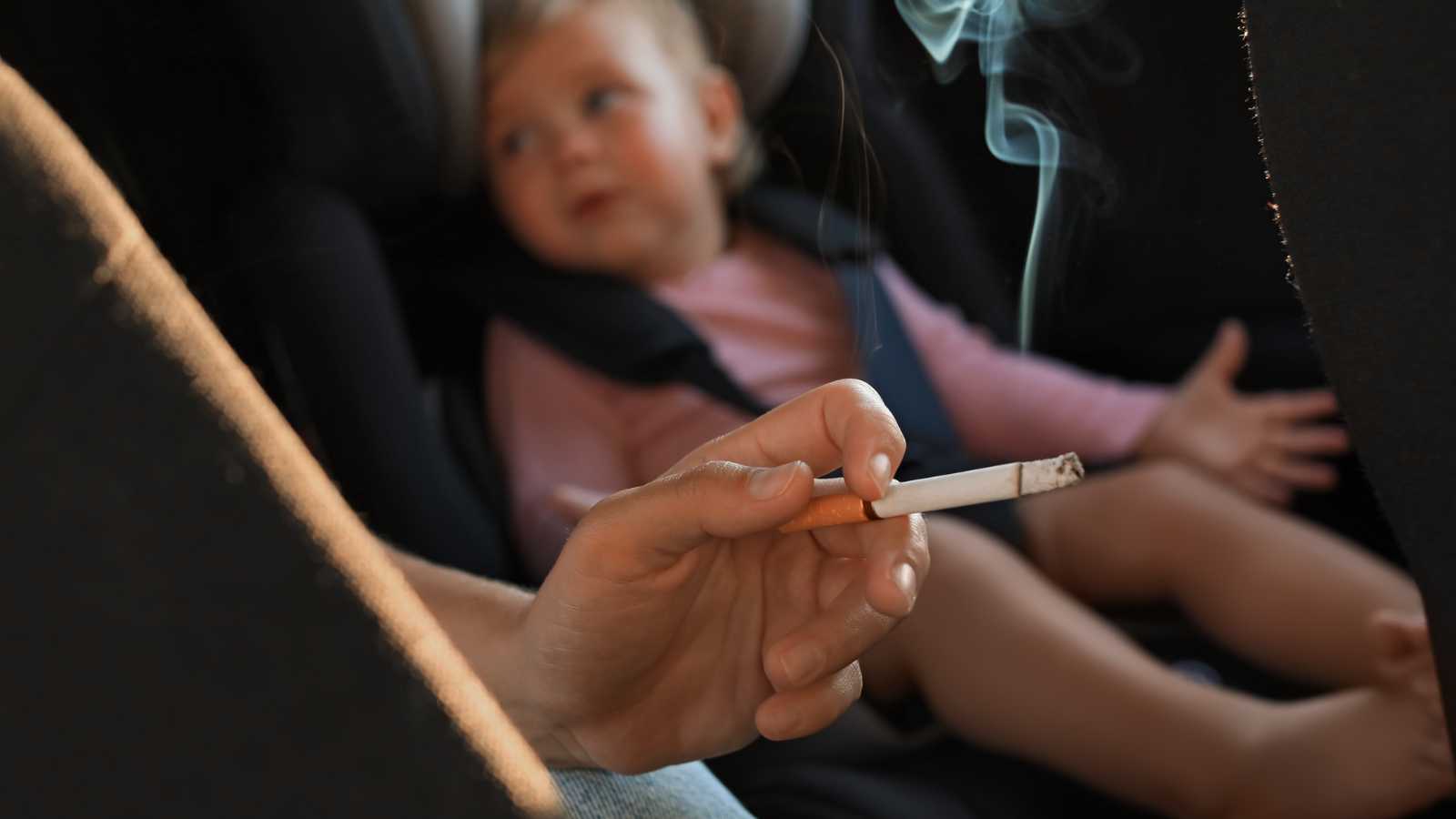
In the 1970s, winter meant car windows up and cigarettes lit, often with kids in the back seat. Indoor smoking was routine in homes, restaurants, airplanes, and even hospitals. The dangers of secondhand smoke were only beginning to gain attention; by 1981, studies showed nonsmoking women married to smokers had a higher lung‑cancer risk than those married to nonsmokers.
That research helped drive smoking bans in workplaces, planes, and public spaces through the 1980s and beyond. Today, trapping kids in a smoke‑filled car or living room, especially in winter with windows shut, would be widely criticized for exposing them to proven carcinogens.
Letting Kids Sled Without Helmets or Supervision

Winter in the ’70s often meant kids disappearing with a sled until dark, no helmets, no adults, and plenty of improvised ramps. Reflective gear and high‑visibility clothing were rare; kids crossed roads and zipped down steep hills with little protection.
In the decades since, pediatric data have linked sledding and winter sports to thousands of head injuries each year, prompting helmet campaigns and parental supervision guidelines. Today, sending kids down icy hills near streets, trees, and parked cars without helmets or an adult watching is something many parents and liability‑aware communities try hard to avoid.
Riding in the Back of Pickup Trucks or Wagons in Winter

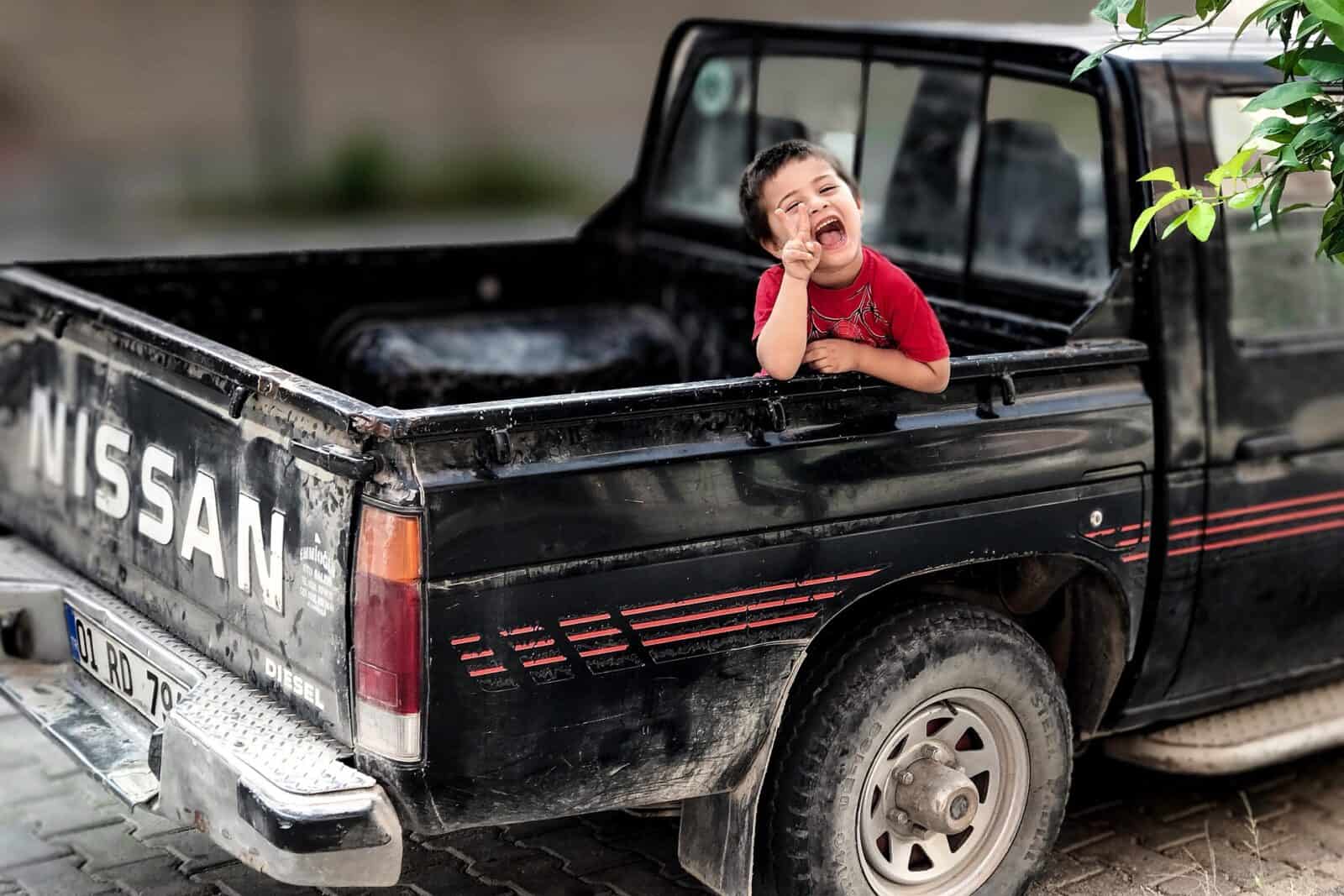
It wasn’t unusual in the 1970s for kids to pile into the open bed of a pickup truck or sit facing backward in the rear of a station wagon, watching snow swirl behind them. Restraints were rare, and icy winter roads made sudden stops or skids more likely.
Today, many jurisdictions have laws limiting or banning passengers in open truck beds due to the high risk of ejection in a crash or during a sudden maneuver. Modern safety messaging treats unrestrained winter riding as especially dangerous due to slick surfaces and reduced visibility.
Using Lead‑Painted, Poorly Insulated Homes Without Concern
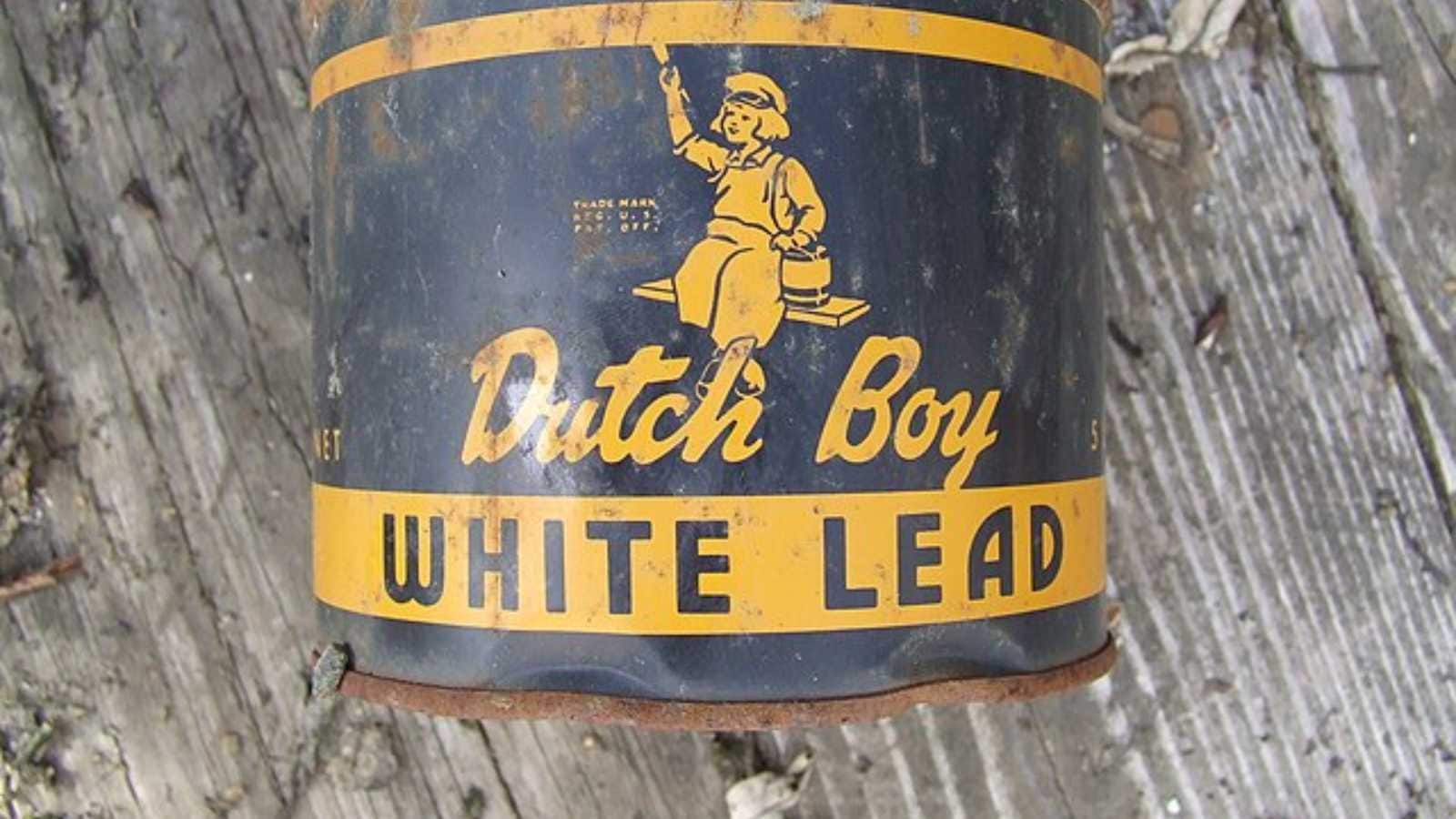
Millions of 1970s homes still contained lead‑based paint on walls, windows, and trim, especially in houses built before the late ’70s. The Environmental Protection Agency estimates that about 24–25% of homes built between 1960 and 1977 contained lead paint. Winter’s dry air and temperature changes could cause paint to crack and peel, creating lead‑laden dust where kids played.
Today, sellers and landlords in many countries must disclose known lead hazards, and families are advised to test and remediate older homes. Combine that with modern expectations for insulation and indoor air quality, and it’s easy to see why “just living with it” all winter would be frowned upon now.
Ignoring Asbestos in Old Heating Systems and Building Materials

Asbestos was a popular insulation and fire‑resistant material in homes from the 1950s through the 1970s, including in pipe insulation, ceiling tiles, and some furnace components. Many families ran old boilers or fiddled with basement pipes in winter with little awareness of the long‑term cancer risks of asbestos fibers.
Today, asbestos surveys show that disturbing asbestos‑containing materials without proper abatement is considered a serious health hazard linked to mesothelioma and lung cancer. Modern regulations require testing and professional removal during renovations, especially in older, heavily used winter spaces like basements and attics.
Letting Kids Play With Unregulated Winter Toys and Gear
In the early 1970s, toy regulations were much looser. Choking hazards, sharp metal edges, and small detachable parts were common in children’s products, including winter toys, snow‑day gadgets, and holiday gifts. A three‑month CPSC study from 1976–77 estimated about 3,800 small‑parts injuries, nearly half among children under three.
By 1979, the U.S. Consumer Product Safety Commission had adopted regulations banning toys with small parts for children under three, along with rules for sharp points, edges, and other hazards. Today’s parents expect winter toys, from sleds to battery‑operated gifts, to meet strict safety standards, and recalls are publicized quickly.
Smoking Around the Holiday Table and Tree

Holiday gatherings in the 1970s often featured ashtrays on every surface, cigarette smoke swirling around kids, and even smoking near live Christmas trees and paper decorations. According to the NIH, public awareness of fire risk and secondhand smoke was just beginning to grow.
Modern fire‑safety and health campaigns strongly discourage open flames or lit cigarettes near dry trees and flammable décor, especially in homes filled with children. With stricter smoke‑free policies and better data on secondhand smoke harms, lighting up at the holiday table would be unacceptable in many homes today.
Using Questionable Space Heaters and Extension Cords

In the 1970s, portable space heaters and overloaded extension cords were everyday winter hacks for cold rooms, sometimes used with older appliances lacking automatic shut-offs or tip‑over protection. Building and electrical codes were less robust, and fire‑prevention messaging was still catching up.
Today, fire departments regularly warn against plugging high‑wattage heaters into power strips or using non‑certified devices, citing data that space heaters are involved in a significant share of home‑heating fires and deaths. Modern safety labels, grounded outlets, and automatic shutoffs are standard expectations, not optional upgrades.
Driving in Winter Storms Without Real‑Time Weather or Emergency Gear

A 1970s winter road trip meant relying on radio forecasts, paper maps, and guesswork. Many families ventured out in snow and ice without snow tires, emergency blankets, or awareness of changing conditions. Accident and fatality rates in winter storms reflected that lack of technology and preparedness.
Today, drivers have real‑time radar, phone alerts, and detailed advisories; emergency management agencies advise carrying winter kits and avoiding non‑essential travel during major storms. Choosing to drive blind into a blizzard, kids unbelted in the back, would be widely criticized as reckless rather than normal.
Leaving Kids Home Alone on Dark Winter Evenings

In many 1970s neighborhoods, “latchkey kids” were common; children let themselves in after school and stayed alone until late, even in the dark winter months. Formal guidelines on supervision were looser, and there was less awareness of mental‑health and safety concerns.
Modern child‑welfare guidance tends to set clearer age and time limits on leaving minors alone, especially after dark. Today’s parents worry more about everything from house fires to online risks, and many communities offer after‑school or winter‑break programs that didn’t exist in the ’70s.
Disclosure line: This article was developed with the assistance of AI and was subsequently reviewed, revised, and approved by our editorial team.
20 Odd American Traditions That Confuse the Rest of the World

20 Odd American Traditions That Confuse the Rest of the World
It’s no surprise that cultures worldwide have their own unique customs and traditions, but some of America’s most beloved habits can seem downright strange to outsiders.
Many American traditions may seem odd or even bizarre to people from other countries. Here are twenty of the strangest American traditions that confuse the rest of the world.
20 of the Worst American Tourist Attractions, Ranked in Order

20 of the Worst American Tourist Attractions, Ranked in Order
If you’ve found yourself here, it’s likely because you’re on a noble quest for the worst of the worst—the crème de la crème of the most underwhelming and downright disappointing tourist traps America offers. Maybe you’re looking to avoid common pitfalls, or perhaps just a connoisseur of the hilariously bad.
Whatever the reason, here is a list that’s sure to entertain, if not educate. Hold onto the hats and explore the ranking, in sequential order, of the 20 worst American tourist attractions.