12 grocery shopping red flags women are paying more attention to
Food-at-home prices have risen faster than overall inflation in several recent quarters. Price increases are no longer always visible on the tag; they’re embedded in portion sizes, product tiers, and promotion structures.
This has measurably changed the behavior of primary household shoppers. A 2024 report by FMI – The Food Industry Association found that 37% of shoppers now use their mobile phones to compare prices in-store, a dramatic increase from previous years, while 63% actively adjust where and how they shop to find better value.
Behavioral economists have long shown that people rely on shortcuts, such as assuming bulk is cheaper, or that sale prices are better, but repeated exposure to inconsistencies breaks those heuristics. When family-size options cost more per ounce or a limited-time offer appears every month, trust erodes. The difference now is that more shoppers are catching them in real time, turning what used to be invisible costs into visible decisions.
Price Tags That Shift by Package Size, Not Value

Shoppers often assume that the family-size or economy version of a product offers a lower price per ounce, but data suggest this is often a mathematical illusion. The quantity surcharge phenomenon proves retailers actually charge more per unit for larger packages because they know customers perceive them as inherently cheaper.
In a typical supermarket, up to 25% of larger-sized items carry a higher unit price than their smaller counterparts. Women, who historically manage the bulk of domestic procurement, are increasingly ignoring the marketing labels like Value Pack and performing manual division.
The friction arises when shoppers realize that buying three 8-ounce containers is cheaper than one 24-ounce tub. While the convenience of a single large container justifies the markup, the reality is that brands exploit the psychological heuristic that bigger is better.
Discounts That Anchor You to a Higher Original Price

The use of “was/now” pricing is a sophisticated psychological trap known as anchoring, where a high original price makes the current price seem like a steal. Research by Dr. Dan Ariely, author of Predictably Irrational, demonstrates that humans struggle to evaluate an item’s objective value and instead rely on relative comparisons.
In many grocery chains, the original price is an inflated figure that customers rarely pay, serving only to make the $4.99 tag look like a triumph of frugality. In July 2024, the FTC launched a massive study into the surveillance pricing ecosystem. This involves companies using AI and personal data (like browsing history and location) to set individualized, fluctuating prices for different customers.
Contrary to the idea that sales help households save, frequent limited-time offers actually trigger a scarcity mindset, leading shoppers to buy items they don’t need and effectively increasing the average basket size by 15% per trip.
Smaller Portions Hidden Behind Familiar Packaging (Shrinkflation)

Shrinkflation is a stealthy tactic in which manufacturers reduce the volume or weight of a product while keeping the price and package dimensions the same. Shrinkflation has significantly affected categories such as snacks, paper goods, and household cleaners, which are staples of household management.
For instance, a standard box of cereal may lose 2 ounces in weight while the box’s height remains the same, often disguised by a “New Look” banner that distracts the eye. Edgar Dworsky, a consumer advocate at Consumer World, has documented thousands of instances where tapered bottoms or increased air pockets (slack fill) hide these reductions.
While industry defenders claim this prevents price hikes amid rising supply chain costs, it imposes an invisible tax on the primary household shopper, who must now replenish supplies more frequently.
Bulk Deals That Only Pay Off at Unrealistic Quantities
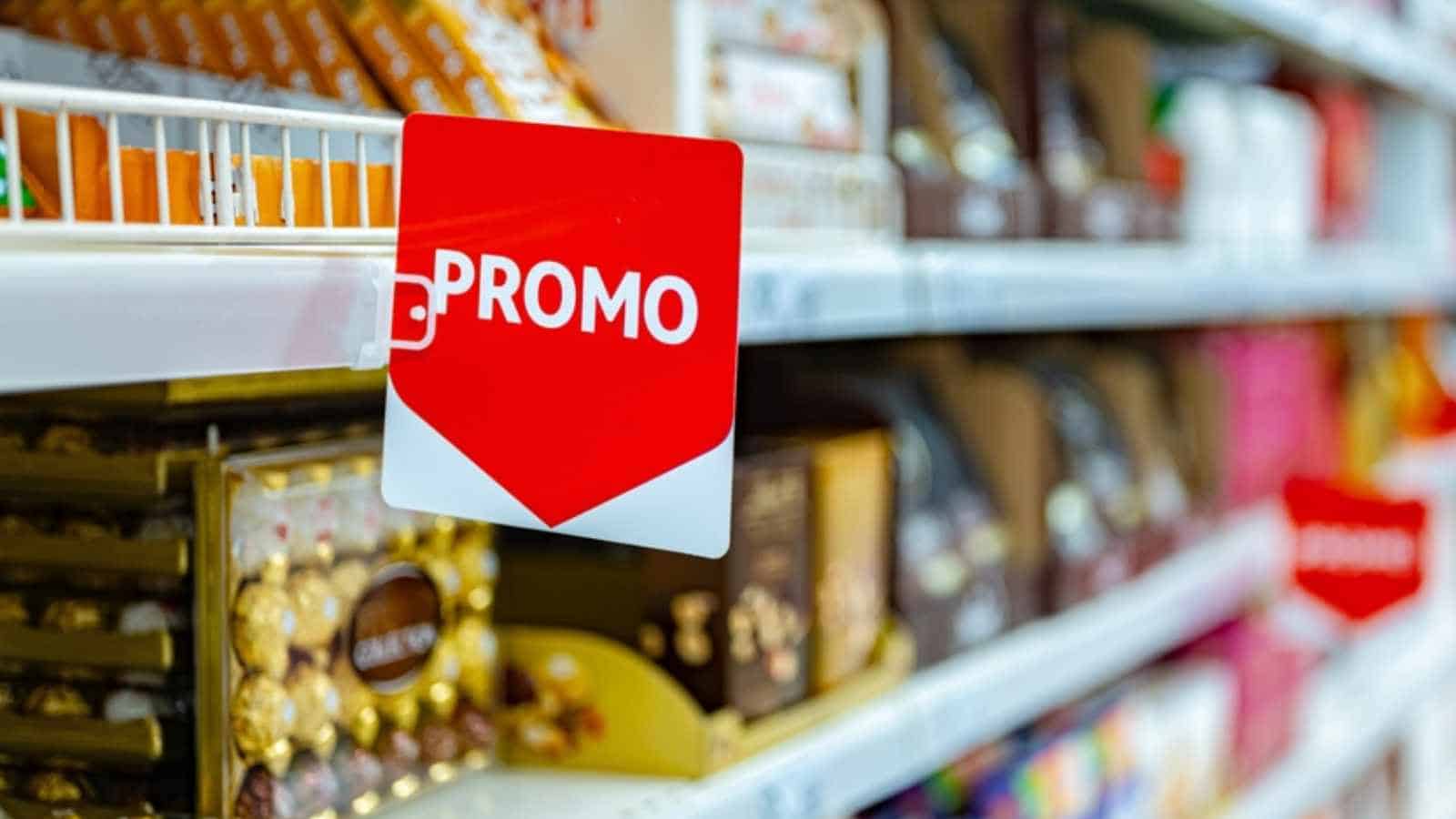
Warehouse clubs and “buy five, save $5” promotions create a logistical burden that often outweighs the financial gain. A report by NRDC (Natural Resources Defense Council) finds that the average American household wastes $1,800 worth of food annually, often due to overpurchasing perishable items in bulk.
The math behind “10 for $10” deals is particularly predatory; many stores do not require you to buy all ten to get the discount, yet the sign induces a “stockpile” reflex. This red flag is becoming more apparent to women who realize that the opportunity cost of storage space and the risk of spoilage negate the 5% savings.
Interestingly, bulk buying provides a sense of preparedness for the home to some consumers, but modern data-driven shoppers are finding that these deals often prioritize the store’s inventory turnover over consumers’ actual consumption rates.
Store Layouts That Funnel You Past High-Margin Items First
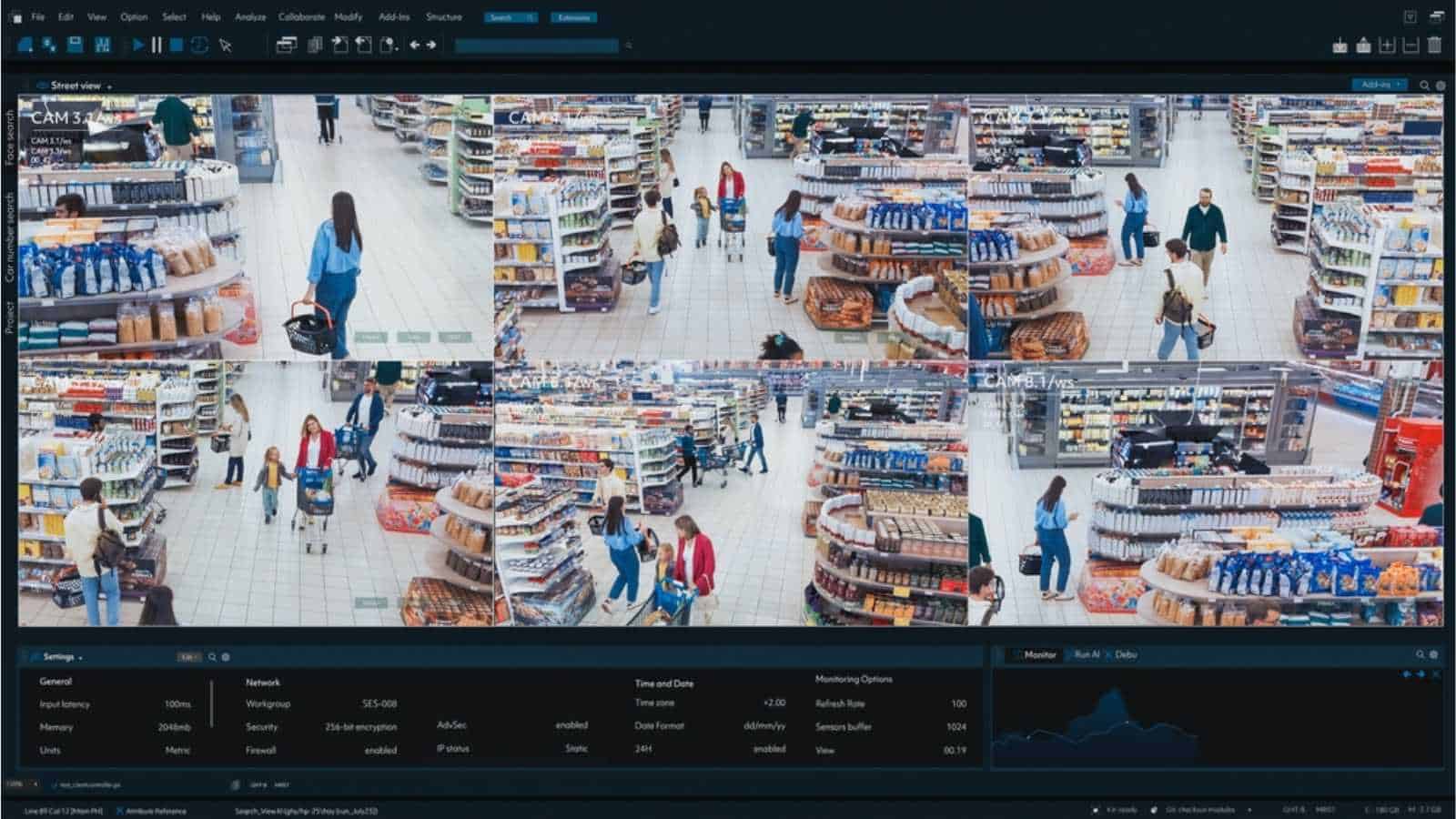
Supermarket geography is designed using heat maps and eye-tracking technology to maximize unplanned purchases. The golden zone: items placed between 3.5 and 4.5 feet high, is where retailers stock high-margin, branded products, while cheaper store brands are relegated to the bottom shelves.
A classic study by J. Jeffrey Inman, Russell S. Winer, and Rosellina Ferraro revealed that shoppers who deviate from a planned list spend 50% more on average, a statistic retailers exploit by placing staples like milk and eggs at the furthest corners of the store.
This layout of the decompression zone forces shoppers to navigate a gauntlet of processed foods and seasonal displays. By recognizing the intentional inconveniences of these floor plans, women are adopting perimeter-only shopping strategies to bypass the central aisles where the most manipulative marketing is concentrated.
Private Labels Positioned as Premium Without Clear Quality Gains

The rise of specialty store brands has blurred the lines between generic savings and luxury pricing. Historically, private labels like Costco’s Kirkland Signature or Trader Joe’s house brands offered 20-30% savings over national brands.
However, a newer trend sees retailers creating gold or select tiers that mirror the aesthetics of premium organic brands but lack third-party certifications. Private-label sales grew nearly 13% to a record $236.3 billion in 2023, yet the price gap is narrowing. In some categories, the store brand is now priced within cents of the market leader.
Shoppers are now looking for the “Manufactured by” fine print; often, the premium store brand is the exact same product as the budget store brand, simply packaged in a matte finish with a $1.50 markup to appeal to the aspirational shopper.
Expiration Dates Used to Create False Urgency

The “Sell By,” “Best By,” and “Use By” labels on grocery items are largely unregulated and often have little to do with food safety. The Natural Resources Defense Council published a foundational report concluding that, for the vast majority of foods, the dates are completely unregulated by the federal government and are merely manufacturers’ best guess of when a product will be at its peak quality.
Retailers use these dates to trigger a “toss and replace” cycle, forcing more frequent shopping trips. Roughly 90% of consumers have prematurely discarded food due to date-label confusion, contributing to the 38 million tons of food waste generated in the U.S. every year.
Savvy shoppers are now relying on sensory checks rather than arbitrary stamped dates, recognizing that a “Sell By” date is actually a directive for the stock clerk, not the kitchen manager.
Ingredient Lists That Substitute Cost for Quality
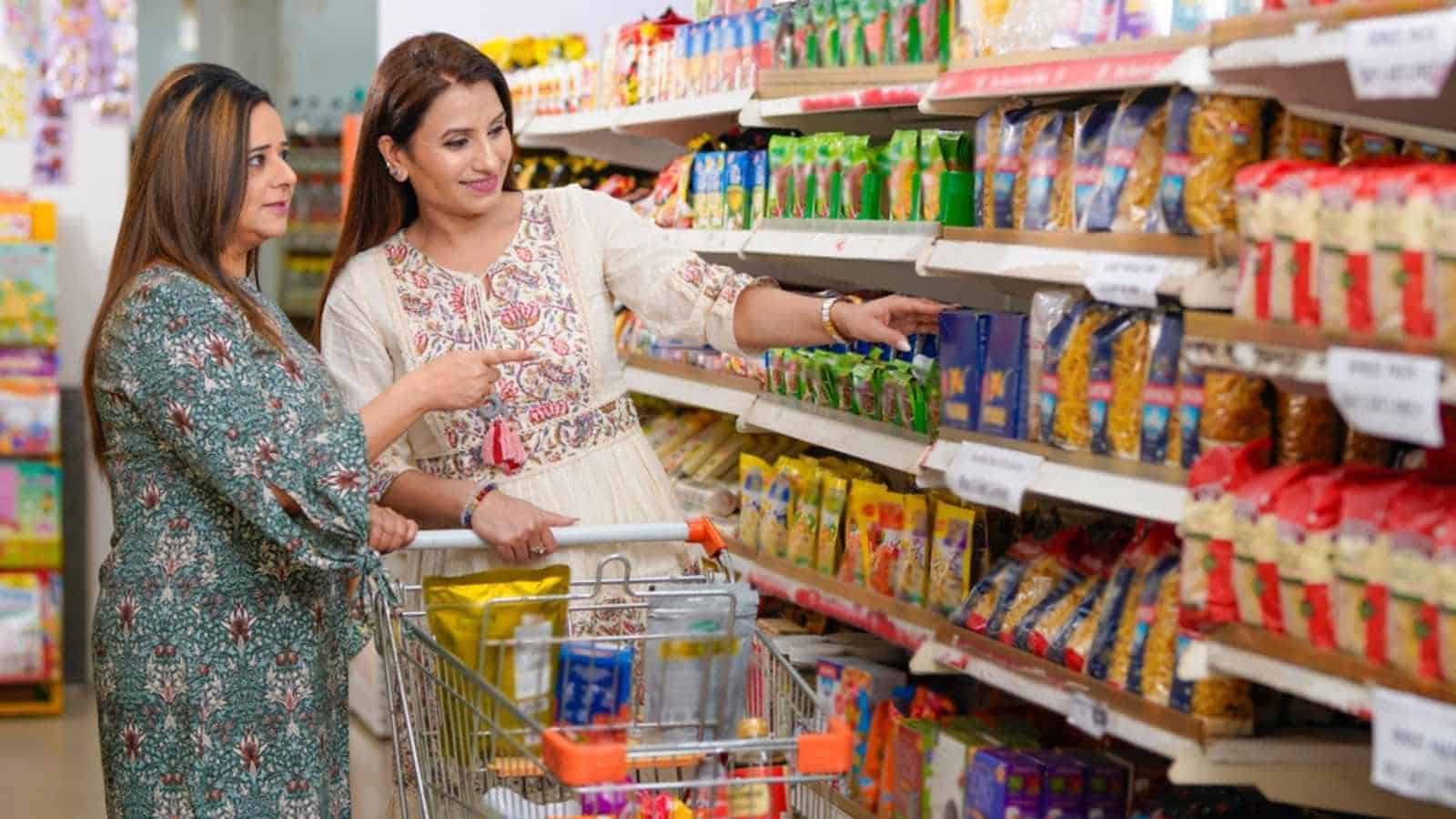
As inflation bites, manufacturers often engage in skimpflation, the practice of swapping expensive ingredients for cheaper alternatives without raising prices. For example, a high-end pasta sauce might reduce the percentage of olive oil and increase the use of soybean oil or water.
The EWG’s Food Scores database, which analyzes over 80,000 products, reveals that many popular fruit snacks are essentially candy disguised with a healthy name, relying instead on natural flavors and corn syrup.
This red flag is particularly egregious in the healthy food aisle, where rustic packaging masks the presence of thickeners such as carrageenan or xanthan gum, which are used to maintain texture in diluted products.
Reading the first three ingredients has become a mandatory skill for those refusing to pay top-tier prices for bottom-tier fillers.
Unit Pricing That’s Present but Hard to Compare Quickly
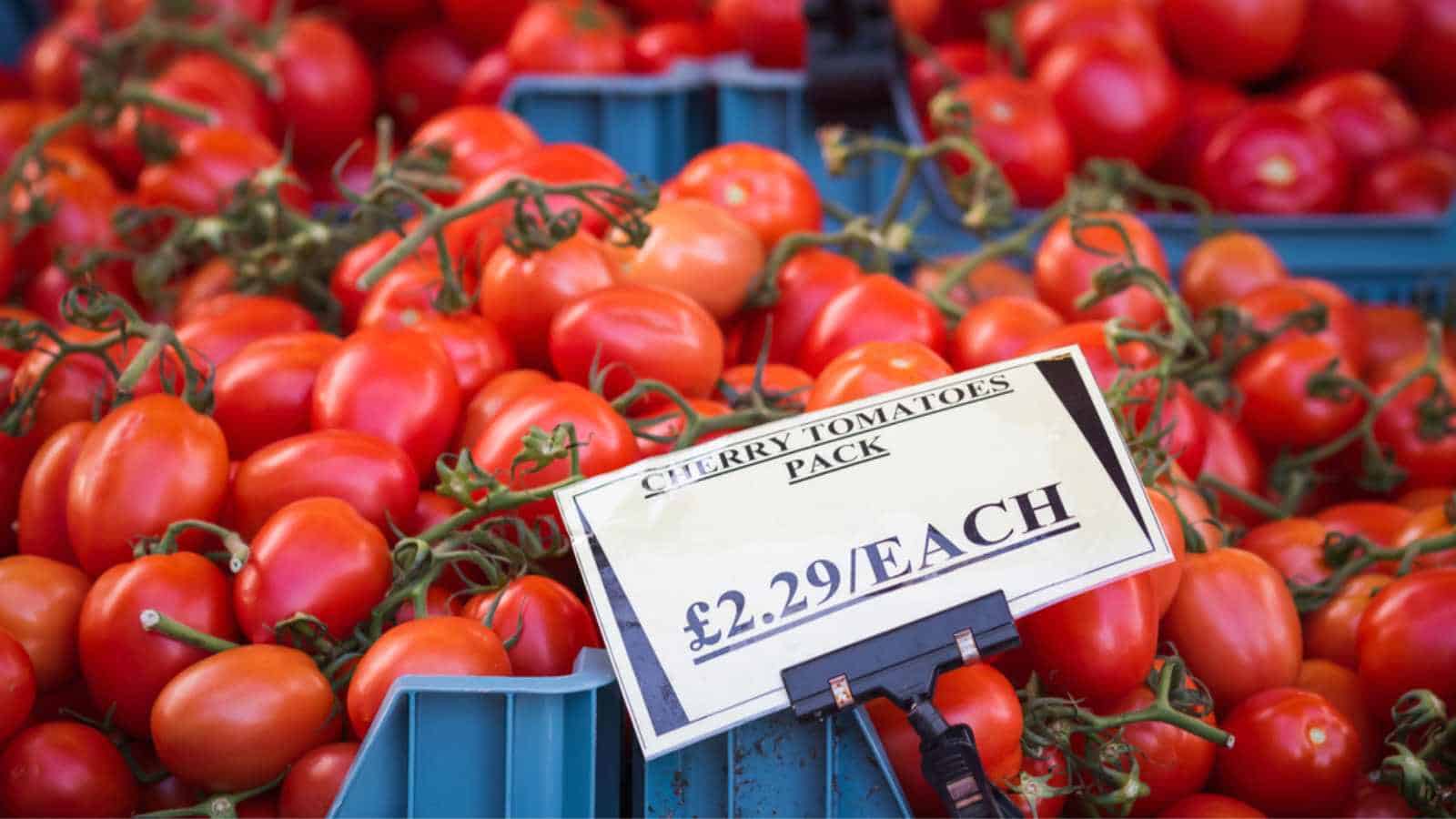
While many states require unit pricing (price per pound or ounce), the labels are often intentionally designed to be illegible or inconsistent. One shelf might list a price per quart, while the adjacent brand lists a price per pint, making a direct comparison mathematically taxing during a busy shopping trip.
The most recent comprehensive data regarding label failures comes from the 2024 National Price Verification Survey, conducted by the National Conference on Weights and Measures in cooperation with NIST.
The survey of over 7,000 retail locations found that 23% failed to meet price accuracy requirements. This lack of standardization is a dark pattern in retail design meant to frustrate the logical brain and encourage brand loyalty, leading to buying rather than value-based buying.
Women are increasingly using smartphone apps to normalize these units, bypassing the store’s obfuscation to find the item’s true cost.
Seasonal Placement That Rebrands Everyday Items as Limited
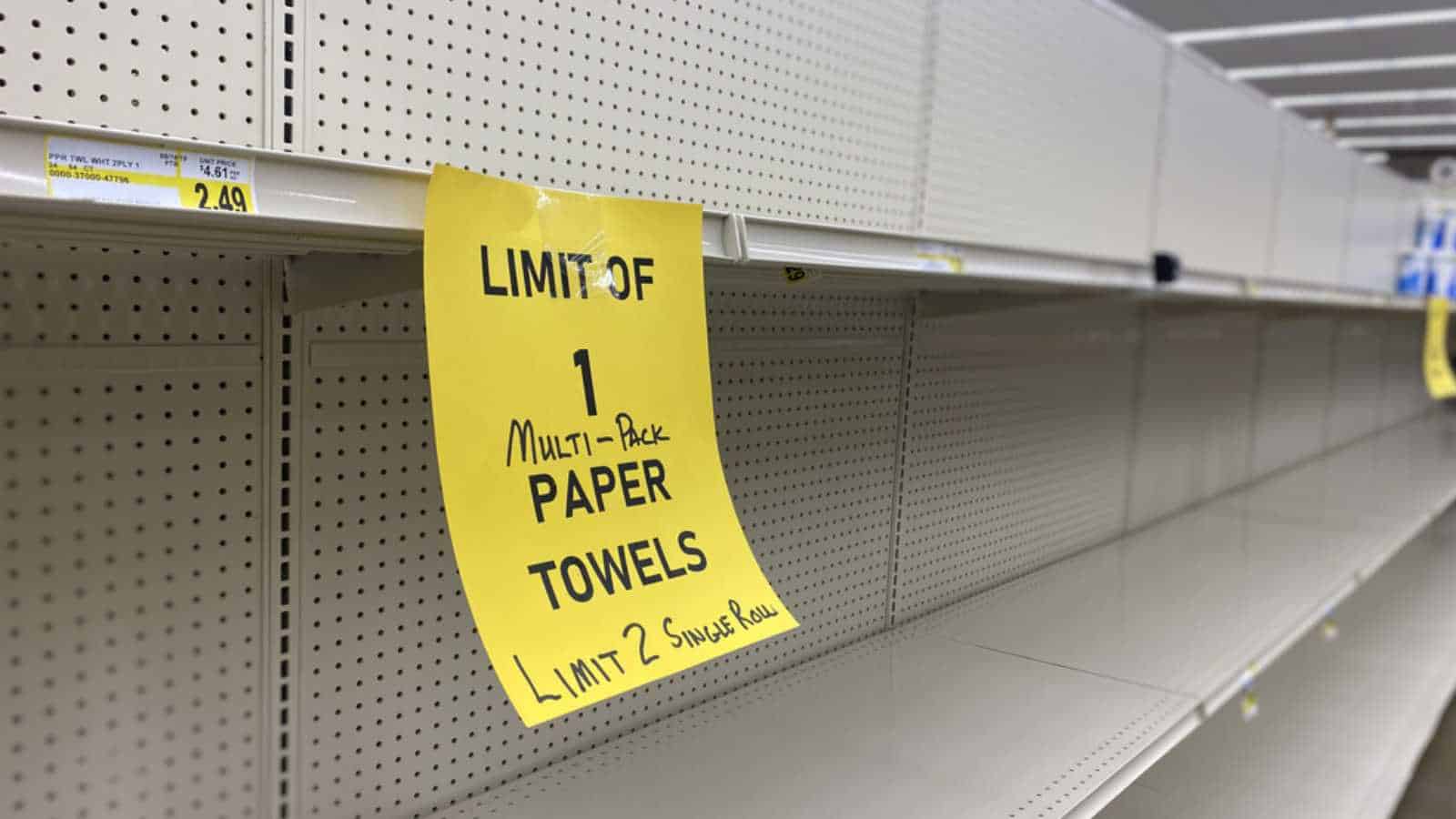
Retailers capitalize on seasonal FOMO (fear of missing out) by taking standard products and adding minimal flavorings or themed packaging to justify a higher price point. This Pink Tax, or Holiday Tax, can result in a 20% price increase for a product simply because it features a pumpkin on the label or is colored red for Valentine’s Day.
For the 2025 winter holiday season, the NRF reported that sales grew by 4.1%, officially surpassing the $1 trillion mark for the first time. In March 2026, NRF President Matthew Shay forecast that total retail sales would grow another 4.4% this year, reaching $5.6 trillion, driven by “consumer resilience” and a shift toward experiential and seasonal purchasing.
These items provide emotional utility or joy, but from a purely financial perspective, limited edition is often a synonym for unnecessary markup.
Check out Add-Ons That Exploit Decision Fatigue

By the time a shopper reaches the register, they have made hundreds of micro-decisions, which can lead to a psychological state known as decision fatigue. Dr. Kathleen Vohs of the University of Minnesota found that people with depleted willpower are significantly more likely to succumb to impulse buys.
The checkout lane is a carefully curated environment of high-sugar snacks and high-margin convenience items, such as batteries and lip balm. While it seems like a minor $2 purchase, these add-ons account for billions in annual retail revenue.
Modern shoppers are fighting this by using scan-and-go technology or self-checkout, which keeps the brain engaged in the task of scanning rather than the passive waiting, which leads to eyeing the candy bar.
Loyalty Programs That Reward Spending More, Not Spending Smart

Supermarket loyalty cards are essentially data-mining tools disguised as savings programs. While they offer member-only prices, the real exchange is your personal purchasing history for a few cents off a gallon of gas.
An analysis by Consumer Reports suggests that the savings are often offset by coupons targeted to members for higher-priced items they wouldn’t normally buy. Furthermore, stores often raise their base price to make the loyalty discount appear more significant.
The most rebellious act a shopper can take is realizing that loyalty only goes one way; true savings often come from shopping across multiple stores for loss leaders rather than sticking to one preferred retailer that tracks every move of your cart.
Key Takeaways

- Perceived value is often engineered, not real. Pricing tactics like shrinkflation, anchoring, and bulk illusions are designed to make costs feel lower without actually being lower.
- Convenience is frequently the hidden markup. Larger sizes, central shelf placement, and ready-to-grab add-ons trade time and effort for higher per-unit costs.
- Retail environments are built to override deliberate thinking. Store layouts, checkout design, and inconsistent unit labels push quick decisions over calculated ones.
- Deals often increase total spending rather than savings. Promotions, loyalty programs, and seasonal items shift focus from what you need to what feels like a win.
- Smarter shopping now means decoding systems, not just comparing prices. The real shift isn’t budgeting harder, but recognizing repeat patterns that quietly distort cost, quality, and necessity.
Disclaimer – This list is solely the author’s opinion based on research and publicly available information. It is not intended to be professional advice.
Like our content? Be sure to follow us