12 skills teens mastered in the 1970s that are rarely seen today
Long before algorithms started curating our attention, teenagers in the 1970s were operating in a completely different reality.
They weren’t just hanging out; they were running a stealth operation of real-world survival. According to the U.S. Bureau of Labor Statistics, teen labor force participation has been on a long-term downward trend.
Since peaking at 57.9% in 1979, the rate fell to 52.0% in 2000, just prior to the 2001 recession. That means nearly 60% of ’70s teens were out in the wild earning, fixing, cooking, counting, and navigating the physical world before they even got their diplomas.
This isn’t about today’s teens lacking ability, far from it. It’s just that the modern world has smoothed out all the rough edges, leaving fewer opportunities for those gritty, old-school practice runs. Ready to peek into the secret playbook of a generation that ruled the streets before the internet?
They drove stick shifts
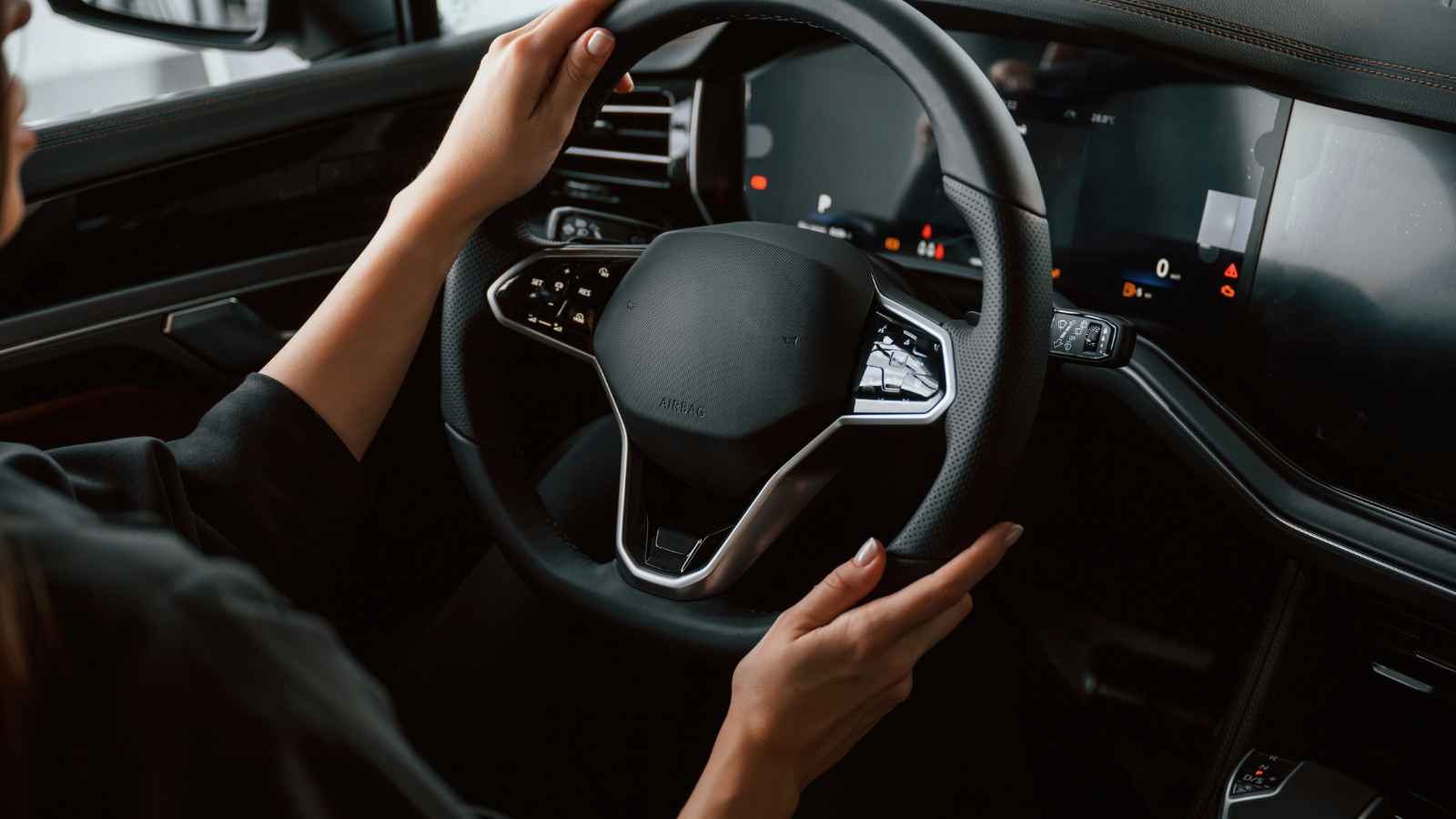
In the 1970s, teenagers gripped steering wheels with one hand while a nervous foot searched for the clutch. Mastering that skill demanded patience, precise timing, and pure bravery at every stop sign. Fast-forward to today, and most young drivers cruise for years without ever encountering a manual transmission, let alone learning how to navigate three pedals.
This massive shift transforms stick-shift driving from a basic teenage milestone into an elusive, niche hobby. Stalling on steep hills once brought intense embarrassment to older generations; now, the entire concept feels completely foreign to modern youths, leaving a legendary rite of passage in the rearview mirror.
They handled car trouble

A 1970s teen often knew how to check oil, look at a belt, change a tire, or at least understand the strange noise coming from under the hood. Cars had fewer computerized systems, and families often treated basic maintenance as a normal part of growing up.
Today’s vehicles offer more safety and comfort, but they also push many small repairs out of the driveway and into the service bay. AAA Newsroom reports that AAA received over 27 million emergency roadside assistance calls across the U.S. in 2024. This shows how often drivers now turn to help instead of solving the problem on the spot.
Not having a spare could put them in an even more aggravating situation.” That quote captures the modern gap perfectly: many teens can operate the car, but fewer can rescue themselves from a simple breakdown.
They worked after school

Part-time work once shaped teen life in a very direct way. A job at a diner, gas station, grocery store, movie theater, or mall taught punctuality, manners, customer service, cash handling, and how to take correction from an adult who was not a parent.
Many teens also learned the feeling of earning money, spending it too fast, and then regretting it before the next payday, far from the era when teen work sat closer to the center of high school life. Modern students often juggle sports, grades, volunteering, and college pressure, so paid work gets pushed aside. The result is simple: fewer teens get those small but powerful lessons that a first boss used to deliver fast.
They read paper maps

Before phone navigation, teens had to unfold a map, find a road number, and admit when they had no idea where they were. That skill built patience and spatial awareness because the map did not reroute itself after a wrong turn. Teens also learned landmarks, direction, and the quiet art of staying calm when a trip went sideways.
A survey conducted by the Pew Research Center confirmed that 95% of U.S. teens ages 13 to 17 have access to a smartphone. This means most now carry turn-by-turn guidance in their pocket.
That convenience helps families, but it also removes the old habit of planning a route before leaving home. A 1970s teen could get lost and still figure it out; many modern teens rarely get the chance to practice that kind of problem-solving.
They mended their clothes

A missing button once prompted a quick repair, not a ticket to the trash bin. Instead of discarding worn garments, youth mastered basic sewing through home economics classes, household chores, or sheer necessity. Hems, patches, and needles formed the core of every domestic toolkit, particularly within families passing outfits down through younger siblings.
Gradually, domestic clothing habits shifted from resilient maintenance toward immediate replacement. This transition sparked a massive cultural transformation. As fast fashion took over, the practical self-reliance of previous generations quietly vanished, leaving a generation disconnected from the very fabrics on their backs.
They cooked real meals

Many 1970s teens could brown meat, boil potatoes, read a recipe card, and pull a casserole from the oven without turning dinner into a family emergency. They learned by standing near a parent, grandparent, aunt, or older sibling and doing small jobs until the whole meal made sense. Scratch cooking taught timing, cleanup, budgeting, and the difference between feeding yourself and grabbing something fast.
USDA Economic Research Service data show that Food-away-from-home expenditures as a share of total food expenditures reached a high of 58.9 percent in 2024. That trend points to a country that buys more meals outside the kitchen than earlier households did.
Convenience feels wonderful on a busy night, but it gives teens fewer chances to master the ordinary magic of making dinner from raw ingredients.
They balanced checkbooks
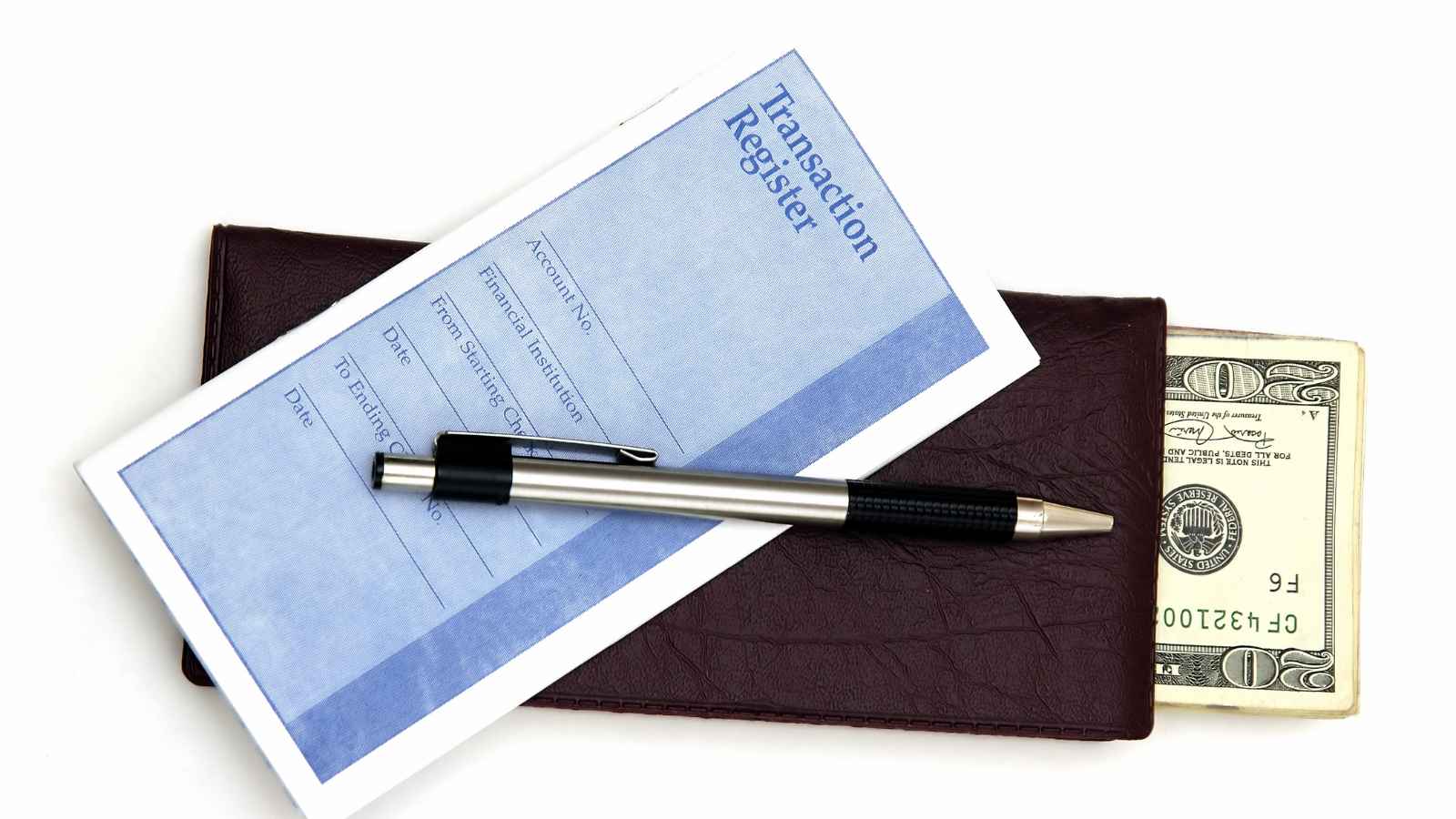
In the 1970s, a teenager with a paycheck tracked every dollar by hand. They recorded deposits, subtracted checks, saved physical receipts, and quickly learned that bank statements ignored wishful thinking. This hands-on process forced young people to witness money leaving in real-time, making budgeting an immediate, tangible reality.
Today, digital banking apps handle most of this tracking automatically. While technology offers convenience, an old-school handwritten ledger teaches an unforgettable lesson: money disappears the exact moment you stop watching it. Yet modern financial tools lack the psychological friction that kept those vintage bank accounts alive, leaving a gap that apps cannot bridge.
They knew the card catalog

For 1970s high-schoolers, research began with a wooden drawer and a small typed card. Teens navigated authors, subjects, call numbers, and shelves before opening a single book.
That process felt slow, yet it trained deep focus and persistence in ways instant search rarely replicates. Per OCLC archives, 1985 marked the historic apex of card catalog libraries embracing computer cataloging in the 1970s, which started the long fade of those familiar drawers.
Libraries embraced computer databases during that decade, marking the long fade of those familiar cabinets. Today’s student Googles faster, but an older generation truly understood the physical logic of information. A hidden world lived inside those paper slips, and it shaped how minds thought.
They wrote formal letters

A formal letter once gave teens a small rehearsal for adult life. They learned greetings, margins, handwriting, tone, envelopes, stamps, and the strange discipline of sounding respectful on paper. Job applications, thank-you notes, school requests, and family messages often required care because a letter could not be edited after it entered the mailbox.
The USPS Office of Inspector General reported that First-Class Mail volume fell 50% from fiscal year 2008 to fiscal year 2023. That sharp drop shows how much everyday written communication has moved away from paper. Digital messages save time, but they rarely teach the same patience, polish, and personal touch that a handwritten formal letter once demanded.
They roamed outside

During the 1970s, teenagers occupied vibrant streets without constant adult surveillance. Youths pedaled bicycles toward neighborhoods, resolved disputes right on concrete sidewalks, strolled into local markets, and navigated everyday risks firsthand.
Unstructured exploration naturally fosters vital social intelligence and emotional resilience. For generations of older observers, such profound autonomy represented no fleeting parenting fad; it simply defined a typical Tuesday afternoon. Yet, beneath this nostalgic freedom lay a hidden shift that quietly altered childhood forever, leaving modern families to pick up the pieces.
They counted back change

A teen cashier in the 1970s had to know change without staring helplessly at a screen. They counted coins, checked bills, and learned mental math under the pressure of a waiting customer.
That skill built confidence because every transaction gave instant feedback. The Federal Reserve’s 2025 Diary of Consumer Payment Choice, which measures U.S. consumer transactions from 2024, shows cash accounted for exactly 14% of all payments by number.
Card readers, digital wallets, and point-of-sale systems now do much of the thinking that teen clerks once had to do in their heads. That change makes shopping smoother, but it also makes one of the most practical math drills in American teen life much rarer.
They memorized phone numbers

Imagine a world where your brain was the only contact list available. A 1970s youth carried vital digits entirely in their head because technology offered no digital safety net. Friends, relatives, employers, neighbors, and local shops occupied mental real estate through sheer repetition.
Rotary dialers and street payphones rewarded sharp recall, whereas a forgotten sequence caused instant isolation. Cognitive research indicates that humans retain fewer facts when they expect an external device to store them. While modern smartphones offer undeniable convenience, they also erase a gritty, brilliant mental habit.
Key takeaway

The 1970s did not produce better teens by magic. It gave teens more daily practice with adult tasks. Teens have their own skills, from digital fluency to fast research to online creativity. Still, many old-school habits built independence in a direct and memorable way. The best lesson is not nostalgia; it is balance.
Parents, grandparents, teachers, and mentors can bring some of these skills back in small ways. Let teens cook one full meal, read one paper map, write one real thank-you note, track one budget by hand, and learn one basic car fix. Those little lessons may feel old-fashioned, but they still build confidence that no app can fully replace.
Disclaimer – This list is solely the author’s opinion based on research and publicly available information. It is not intended to be professional advice.
Like our content? Be sure to follow us.