Why humans cannot stop creating new forms of faith
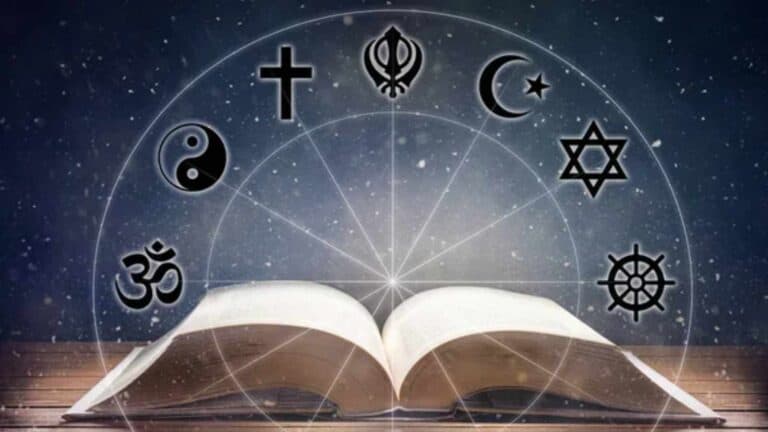
Traditional houses of worship might be emptying out across America, but humanity’s deep hunger for faith hasn’t faded one bit. Pews are getting dustier as about 28% of U.S. adults now identify as religiously unaffiliated, as per the Pew Research Center.
Many people haven’t abandoned spirituality; they’ve just repackaged it into modern lifestyles. The human brain is fundamentally designed to seek meaning, ritual, and connection, meaning that when old institutions fade, humans simply build new temples out of wellness, technology, and community.
Human brains are hardwired to spot invisible forces
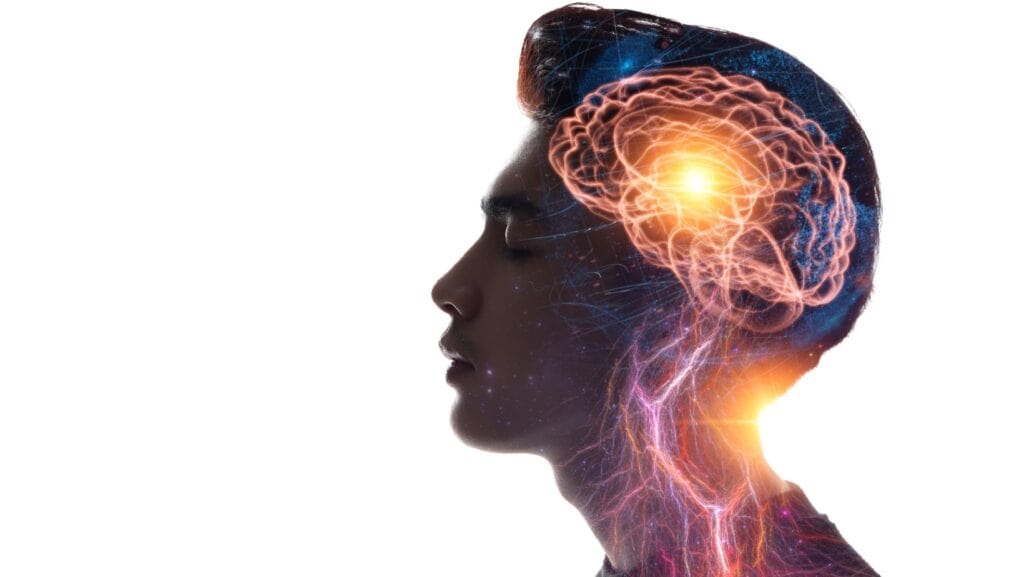
Evolutionary biology suggests the human mind is naturally primed to believe in supernatural agents. This stems from a cognitive mechanism known as the “hyperactive agency detection device,” or HADD. It’s an evolutionary survival tool inherited from early ancestors who survived by scanning the horizon for hidden predators.
A false positive was harmless, but a false negative meant becoming a tiger’s lunch. This cognitive system is so trigger-happy that it prompts people to see faces in clouds or spiritual energy in inanimate stones. In a chaotic world, the brain defaults to detecting a divine hand behind random events.
Wellness is the new weekly service

With traditional attendance dropping, fitness and self-care have stepped in as modern sanctuaries. Instead of finding enlightenment in a drafty old chapel, some find it while gasping for air on a boutique spin bike. These fitness spaces provide strict rules, daily devotionals, and physical sweat that serves as a modern form of sensory communion.
Some wellness seekers even replace religious symbols with fitness gear. Instead of wearing a cross, some gladly sport a high-end gym logo as their ultimate emblem of identity. It’s a commercialized spirituality in which purchasing a wellness product serves as a holy ritual.
Technology promises a high-tech heaven

The search for transcendence has shifted from spiritual heavens to Silicon Valley tech labs. The movement of transhumanism operates as a secular faith, predicting that advanced technology will eventually defeat human death. Proponents believe human minds will eventually be uploaded to computers, achieving digital immortality.
This deep longing to escape bodily decay was once the sole domain of religion. Tech-utopians aggressively seize the torch of Prometheus, aiming to convert the universe into a conscious, extended thinking entity. AI creators are even building what some call a secular religion around superintelligence, turning algorithms into a modern machine-god.
The loneliness epidemic demands new tribes

Modern life has triggered a massive public health crisis of isolation across the nation. The U.S. Surgeon General warns that approximately half of American adults are experiencing loneliness. This severe social disconnection poses a risk of premature death equivalent to smoking up to 15 cigarettes daily.
Historically, houses of worship provided social networks and community support. Religiously active individuals still report feeling significantly less lonely than their secular peers. To escape isolation, people are rapidly forming new, informal tribes centered on shared social causes and online communities.
Daily rituals provide an anchor in the chaos

When the world feels volatile, repetitive habits offer a vital psychological anchor. Daily rituals are formulas for restoring harmony and emotional grounding. Whether it’s pulling tarot cards, lighting a candle, or aligning crystals, these habits act as stabilizing frameworks.
Nearly 30% of Americans consult astrology or tarot cards at least once a year. This isn’t just a fleeting trend; spending on astrology-related products is projected to reach $22.8 billion by 2031. By ritualizing ordinary habits, people bring a touch of magic and order to their stressful daily schedules.
Key takeaway

Even as traditional religious institutions decline, the human search for meaning, connection, and ritual never truly ends. Whether through sweat, software, or stars, people will always find a way to build new forms of faith. Ultimately, modern secular trends are not killing religion; they are simply shifting it into new, bespoke shapes.
Disclaimer – This list is solely the author’s opinion based on research and publicly available information. It is not intended to be professional advice.
Like our content? Be sure to follow us