12 gastroenterologist-recommended drinks that can help with constipation
Constipation can make your whole body feel like traffic at a broken red light. Everything is supposed to move, but somehow nothing does, and suddenly your morning coffee, your breakfast, your mood, and your patience are all waiting on one stubborn system to cooperate.
This is not some rare little inconvenience people whisper about in pharmacy aisles. The National Institute of Diabetes and Digestive and Kidney Diseases says constipation affects about 16 out of 100 U.S. adults, and the rate climbs to about 33 out of 100 adults ages 60 and older.
Mayo Clinic defines constipation as fewer than three bowel movements per week or difficulty passing stool, and links the problem to low fiber and fluid intake, lack of exercise, certain medicines, and medical conditions. So yes, constipation is common. It also deserves care, not shame.
Here is the warning worth keeping in your back pocket: helpful drinks can support digestion, but they should not become a way to ignore your body’s alarm bells. NIDDK says constipation may include hard, dry, or lumpy stool, painful bowel movements, or an uncomfortable feeling that not everything has fully passed. It also urges people to seek medical care for symptoms like bleeding, severe pain, or constipation that do not improve.
Plain Water

Plain water is the unglamorous first step, the old reliable friend that never gets a wellness influencer contract but still does the work. NIDDK says that changing what you eat and drink can make stool softer and easier to pass, and it specifically advises drinking plenty of water and other liquids when increasing fiber intake or taking a fiber supplement.
GoodRx pharmacists put it even more directly: “Water is the best drink for constipation. It helps keep stool soft so it can easily pass through your gut.” That matters because fiber without enough fluid can feel like trying to throw hay into a dry pipe.
Mayo Clinic also lists low fluid intake as one factor that can contribute to constipation, so this is not just basic advice tossed in because doctors like saying “drink more water.” It is the foundation under nearly every other option here. Start with water across the day, not one dramatic bottle at bedtime, and pair it with meals, fiber-rich foods, and movement when you can.
Prune Juice

Prune juice has the reputation of something your grandmother kept in the fridge, and honestly, Grandma was not wrong. Harvard Health summarized a 2022 study of 84 adults with chronic constipation who drank about 1 cup of 100% prune juice daily for 8 weeks, or a similar placebo drink.
After three weeks, the prune juice group reported fewer hard and lumpy stools, and after seven weeks, many had regular bowel movements. The clinical trial found that prune juice improved stool form and constipation symptoms without causing loose, watery stools, giving this old remedy more backbone than folklore.
The reason it works is not mystical: prunes contain sorbitol, pectin, and polyphenols, which can draw water into the bowel and support easier stool passage. The warning is still worth saying out loud. Start small if your stomach is sensitive, because prune juice can cause gas or bloating in some people, especially if you pour a heroic glass and expect your gut to applaud.
Kiwifruit Juice or Smoothies
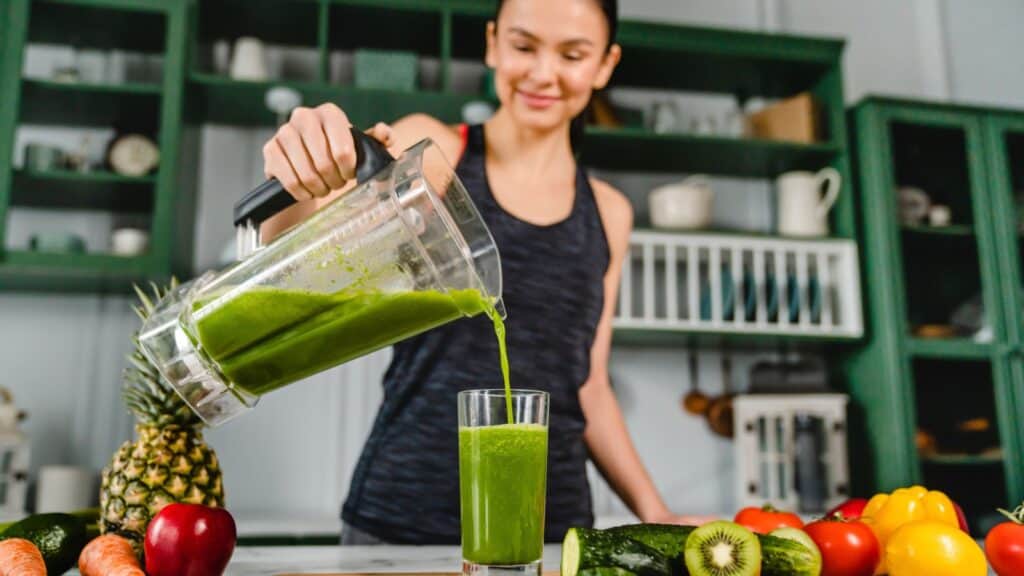
Kiwifruit is the sleeper hit of constipation care, the tiny green fruit that quietly walks into the GI conversation and starts moving furniture. The strongest evidence is for whole kiwifruit rather than strained juice, so a blended smoothie keeps more of the useful fiber.
A multicenter randomized controlled trial found that eating two green kiwifruits daily improved constipation and abdominal comfort in adults with functional constipation or IBS-C.
The American College of Gastroenterology’s Evidence-Based GI review said two green kiwifruits without skin appear effective for increasing complete spontaneous bowel movements, and in the combined group with functional constipation or IBS-C, kiwifruit produced a larger increase in complete spontaneous bowel movements per week than psyllium.
The review called this “an important advance for our patients,” a strong nod from the digestive health world. Blend kiwi with water or kefir, not just sugar-heavy juice, and you get hydration, fiber, and a gentler feel than some heavier laxative drinks.
Warm Herbal Teas With Gentle Laxative Herbs

Warm tea can feel like a small kindness when your gut is acting like a locked gate, and there is some logic behind that comfort. Warm fluids may help stimulate the digestive tract, and certain herbs add a more direct effect.
The 2023 joint guideline from the American Gastroenterological Association and the American College of Gastroenterology conditionally recommended senna for chronic idiopathic constipation, and the AGA noted that the guideline was the first to recommend magnesium oxide and senna as evidence-based options in that setting.
That does not mean senna tea should become your daily routine. Senna is a stimulant laxative, and stronger herbal laxatives can cause cramping, diarrhea, or dependence if misused.
Ginger, peppermint, and fennel teas may feel gentler for bloating and comfort, though they are not as strongly backed as prune juice, kiwi, magnesium-rich water, or guideline-supported laxatives.
Use senna-containing teas for short-term help, read labels carefully, and ask a clinician first if you are pregnant, have kidney disease, severe abdominal pain, suspected bowel blockage, or take complex medicines.
Magnesium-Rich Mineral Water

Some mineral waters are not just expensive-looking bottles with mountain labels. Certain types contain magnesium and sulfate, which can pull water into the intestines and help stool move more easily.
A double-blind randomized trial found that natural mineral water rich in magnesium sulfate and sodium sulfate improved bowel movement frequency and stool consistency in people with functional constipation.
A 2020 study involving 226 patients also confirmed the efficacy of magnesium sulfate-rich natural mineral water for functional constipation, giving this drink more clinical weight than ordinary flavored water.
Think of it as hydration with a mild osmotic push. The caution sits right beside the benefit: magnesium can be risky for people with kidney disease and may interact with some medications, so high-magnesium drinks or supplements are not for everyone.
If your doctor has ever told you to watch magnesium, potassium, kidney function, heart rhythm, or fluid intake, do not treat mineral water like a harmless spa trick. Ask first, then sip smart.
Probiotic Drinks Like Kefir and Kombucha

Probiotic drinks are less like a fire alarm and more like a garden project. They may help some people over days or weeks by nudging the gut microbiome in a better direction, not by forcing an instant bathroom trip.
A 2024 BMJ Open systematic review and meta-analysis found that probiotic-containing products significantly increased stool frequency by about 0.93 times per week compared with placebo, improved stool consistency, and eased symptoms of functional constipation, though the authors called for more high-quality head-to-head trials.
That means the evidence is promising but not one-size-fits-all. Kefir may offer live cultures and protein, while kombucha can provide fermented tea cultures but may also contain sugar, caffeine, acidity, and sometimes trace amounts of alcohol.
If you are sensitive to bloating, start with a small amount, because adding microbes and fermentation can make your gut grumble before it settles. Look for lower-sugar options and do not expect a probiotic drink to fix constipation caused by dehydration, low fiber, opioids, iron supplements, or an untreated medical issue.
Coffee

Coffee is the morning bell many colonists seem to recognize before the brain does. Harvard Health says coffee can have a laxative effect for some people because it triggers colon contractions and stool movement, with caffeine heightening the effect, though the response can happen within minutes, hours, or not at all.
A 2022 review on coffee and the gastrointestinal tract also found that coffee can promote digestion by modulating gastric acid secretion, bile and pancreatic secretions, and colonic motility. This is why some people drink one cup and hear the internal marching band begin. Still, coffee is a tool with edges.
Too much can worsen reflux, anxiety, diarrhea, sleep problems, or dehydration if it replaces water. Add heavy cream or certain sweeteners, and some people get bloating instead of relief. If coffee helps you go, keep it moderate and morning-friendly. If it makes your stomach cramp or your heart race, your gut is not being dramatic; it is giving you feedback in a language you should respect.
Warm Lemon Water

Warm lemon water gets praised as if it has a tiny medical degree, but the honest version is more grounded: the warm water does most of the useful work, and the lemon mainly makes the drink more appealing.
Mayo Clinic lists low fluid intake as a factor in constipation, and the NIDDK says changing what you eat and drink can help make stools softer and easier to pass. That is the real reason warm lemon water earns a place here.
It can help people who dislike plain water drink more fluid, and warm drinks may feel soothing in the morning, especially when paired with breakfast and a regular bathroom routine. The lemon is not “detoxing” your colon, melting waste, or performing a citrus exorcism.
Your liver and kidneys handle detox work every day without needing a lemon wedge to supervise. Use warm lemon water as a gentle habit: one mug in the morning, more fluids through the day, and enough fiber to give the stool something to hold onto. If heartburn flares with citrus, skip the lemon and keep the warm water.
Ginger Tea

Ginger tea belongs in the comfort-and-support category, especially for people whose constipation is accompanied by bloating, nausea, or a slow, heavy feeling after meals. It is not as directly proven for constipation as prune juice or kiwifruit, but ginger has a long history of use in digestion, and some research suggests it may support gastric emptying and gut motility.
A digestive health review from Health.com notes that ginger may help speed digestion in some studies, while broader medical sources still place fluids, fiber, activity, and medication review at the center of constipation care. In plain English, ginger tea may help the whole belly feel less stalled, even if it is not a guaranteed stool mover.
That makes it a reasonable, gentle option for mild constipation, especially after meals or in the evening. Keep the dose normal, not heroic. Strong ginger can worsen heartburn in some people and may not suit everyone, including those taking blood thinners or preparing for surgery.
If your constipation is painful, new, severe, or paired with vomiting, ginger tea should not be your treatment plan. It should be a warm cup while you call for advice.
Aloe Vera Juice

Aloe vera juice sounds soft because aloe is often imagined in the cultural imagination as a sunburn hug, but in the gut, it can behave more like a serious laxative. Some aloe products may increase intestinal water and motility, which is why people use them for occasional constipation, but this drink needs a sharper warning than most on this list.
The AGA-ACG guideline reminds clinicians that constipation treatments, including laxative approaches, should not be used in known or suspected mechanical gastrointestinal obstruction, and stronger laxatives can cause side effects such as cramping, diarrhea, and fluid or electrolyte problems. Aloe latex compounds can be potent, and product labels vary widely.
That means aloe is not a casual daily wellness shot for people with kidney disease, inflammatory bowel disease, pregnancy, severe abdominal pain, medication concerns, or unexplained constipation.
If you use it at all, treat it as an occasional, label-checked option and ask a clinician if you have health conditions. The gut is not a place to test bravery. Gentle does not always mean safe.
Peppermint Tea

Peppermint tea is better thought of as a “make the belly feel less angry” drink than a direct constipation fix. It may help with spasms, gas, and crampy discomfort for some people, especially those with IBS-type symptoms, but it is not the same as an osmotic laxative, fiber supplement, or prune juice.
Cleveland Clinic describes constipation as difficult, infrequent, or uncomfortable passage of stool, and Mayo Clinic lists low fluid intake, low fiber intake, inactivity, medicines, and health conditions as common contributors.
Peppermint tea may sit nicely beside those basics because warm fluid supports hydration, and peppermint can feel soothing when bloating makes constipation feel worse than the stool count alone suggests. The caution: peppermint can worsen reflux or heartburn by relaxing the lower esophageal sphincter.
So if mint tea makes your chest burn, your stomach is voting no. For many readers, though, one warm cup after a meal can be a calm, low-risk way to reduce discomfort while bigger habits like hydration, fiber, and movement do the heavy lifting.
Fiber-Blended Fruit and Veggie Smoothies With Water

A fiber-rich smoothie can be one of the smartest drinks on this list because it keeps the part that most juices throw away. NIDDK says adults should get 22 to 34 grams of fiber a day, depending on age and sex, and advises drinking plenty of water or other fluids when increasing fiber intake.
The AGA-ACG Evidence-Based GI review also states that fiber supplementation is conditionally recommended for chronic idiopathic constipation, with psyllium among the studied fibers.
A smoothie made with whole kiwifruit, prunes, berries, pear, spinach, oats, chia, flaxseed, kefir, or water gives you fluid plus fiber, which is a better constipation strategy than drinking a sugar-heavy juice with little pulp.
The warning is portion size. A giant smoothie with loads of fruit juice, sweeteners, protein powder, and little water can turn into a dessert wearing a health badge. Build it like food in a glass: whole fruit, a modest fiber boost, enough liquid, and no need to punish your blender or your bowel.
A Short Reflective Close
Constipation can make people feel strangely alone, even though NIDDK says about 16% of U.S. adults and 33% of adults ages 60 and older deal with symptoms. The kindest approach is not to panic, feel shame, or chase every laxative trend online.
Start with fluids, fiber, food, and routine. Use evidence-backed drinks like water, prune juice, kiwi smoothies, magnesium-rich mineral water, probiotic drinks, and coffee with common sense. Then take the warning signs seriously.
Your gut is not just being stubborn; sometimes it is asking for help in the only language it has.
Key Takeaways

- Water is the first step because fluids help stool stay softer and easier to pass.
- Prune juice, kiwifruit smoothies, magnesium-rich mineral water, and probiotic drinks have stronger research support than many trendy gut drinks.
- Warm drinks can help some people build a bowel-friendly morning routine.
- Senna teas, aloe vera juice, and high-magnesium options require more caution, especially for people with certain health conditions or taking medications.
- Coffee can stimulate bowel movement for some people, but too much may worsen reflux, anxiety, or diarrhea.
- Call a clinician for severe pain, blood in stool, vomiting, unexplained weight loss, sudden bowel changes, or constipation that does not improve.
Disclaimer – This list is solely the author’s opinion based on research and publicly available information. It is not intended to be professional advice.
Like our content? Be sure to follow us