11 major contradictions in the Bible that continue to spark debate
Bible contradictions can turn a quiet coffee chat into a full-blown family group chat argument in under five minutes. That says a lot, because the Bible still matters deeply in American life: Pew Research Center found that 44% of U.S. adults call the Bible extremely or very important in their lives.
At the same time, Gallup found that only 20% of Americans now view the Bible as the literal word of God, which explains why readers keep asking, “Wait, are we reading this spiritually, historically, or with a red pen?”
The debate also continues to grow because America’s religious landscape keeps shifting. Pew’s 2023 to 2024 Religious Landscape Study found that 62% of U.S. adults identify as Christian, down from 78% in 2007, although the decline has slowed recently. The American Bible Society summed up the mood neatly when it said America’s relationship with the Bible is “complicated,” and that feels like the understatement of the decade.
Creation order gets messy fast

Genesis opens with one of the Bible’s most famous debates. Genesis 1 presents a broad creation sequence where God creates plants, animals, and then humanity, male and female. Genesis 2 then zooms in on the garden story and seems to place the man before the plants of the field, the animals, and the woman, depending on how readers interpret the wording. Ever tried comparing two family members’ versions of the same wedding story? Same event, wildly different timeline energy.
This sparks debate because some scholars treat Genesis 1 and 2 as two distinct creation traditions, while many believers read Genesis 2 as a closer, thematic retelling of Genesis 1. Bible Odyssey describes the opening chapters as “two different creation stories,” while apologetic writers argue that Genesis 2 focuses on Adam’s role rather than giving a second chronological checklist.
That one difference fuels a huge question: should readers treat Genesis like history, theology, poetry, or all three at once?
Noah’s ark has a headcount problem

The Noah story looks simple when people tell it in children’s books: two giraffes, two lions, two elephants, and a boat ride nobody asked for. Then Genesis 7 walks in and complicates the guest list by telling Noah to take seven pairs of every clean animal and one pair of every unclean animal. So, which instruction controls the story: two of every kind or seven pairs of some kinds? That little detail has kept Bible readers counting animals like stressed-out zookeepers.
Many defenders say Genesis 6 gives the general rule, then Genesis 7 gives the detailed rule for clean animals and birds. Critics argue that the numbers reveal layered traditions edited together, especially because the flood story repeats several ideas in slightly different ways. Either way, the debate shows how one tiny number can change the whole reading experience, because apparently, even biblical logistics can cause a traffic jam.
David’s census raises a tough blame question
Second Samuel says the anger of the Lord moved David to take a census of Israel and Judah. First Chronicles tells the same basic story but says Satan rose up and incited David to take the census. That is not a small detail, right? One version points upward toward divine anger, while the other points toward Satan, and readers naturally ask who actually started the whole mess.
Apologists often argue that both accounts describe different levels of causation, with God allowing the event and Satan tempting David. Other readers see a theological shift between the older and later biblical writings, since Chronicles often retells the accounts in Samuel and Kings with different emphases.
This one keeps sparking debate because it touches on a bigger issue than census paperwork: how does the Bible describe evil, judgment, temptation, and human responsibility without making the reader’s brain do a lot of gymnastics?
Jesus’ genealogy splits into two family trees

Matthew traces Jesus’ ancestry through Joseph and says Joseph’s father was Jacob. Luke gives another genealogy and says Joseph was the son of Heli. If you have ever watched relatives argue over who belongs on a family tree, you already know this can get spicy fast. Matthew also structures his genealogy around groups of fourteen generations, while Luke stretches the line all the way back to Adam, which gives the two lists very different goals.
Some Christian interpreters argue that Matthew gives Joseph’s legal line while Luke gives Mary’s family line through Joseph as son-in-law. Others argue that both writers shaped the genealogy to make theological points about Jesus as the son of David, son of Abraham, and son of humanity.
The debate over contradiction continues because genealogy meant identity, legitimacy, and promise in the ancient world, not just a dusty ancestry chart that nobody opens until Thanksgiving.
The birth timeline makes readers pause
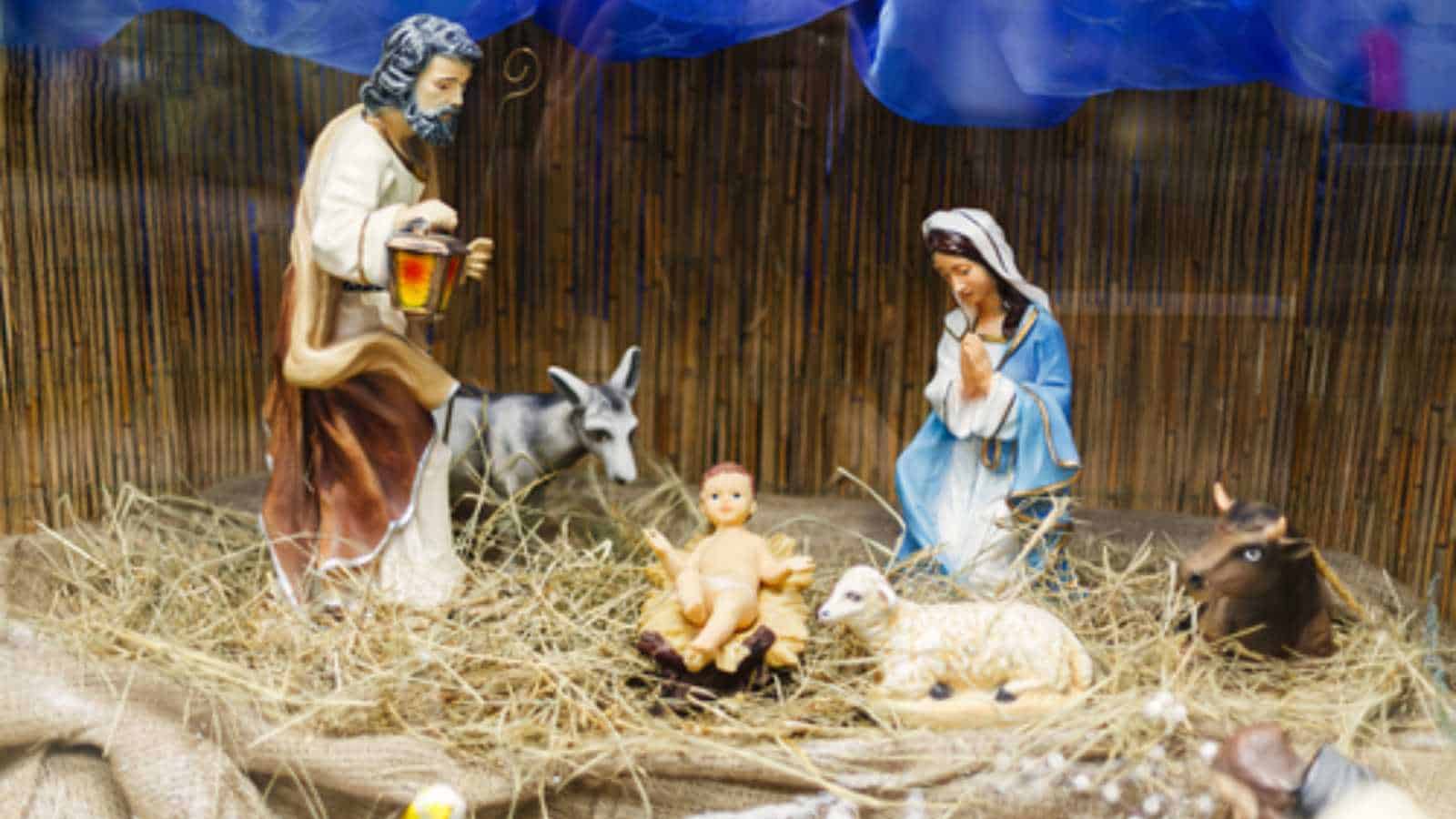
Matthew places Jesus’ birth during the time of King Herod, who most historians date as dying around 4 BC. Luke connects the birth story to a census tied to Quirinius, and critics often note that the well-known Quirinius census came later, around AD 6. That creates a timeline gap that makes readers stop and whisper, “Hold on, did the calendar just trip over its robe?” The issue gets even louder because both Gospels use the birth story to explain why Jesus belongs in Bethlehem.
Defenders argue that Luke’s wording may allow an earlier administrative role for Quirinius or a different census arrangement. Critics argue that Luke shaped the story to move Joseph and Mary from Nazareth to Bethlehem for theological reasons. A 2024 Gospel Coalition discussion clearly states the common objection: Jesus appears to have been born before Herod’s death, yet Quirinius appears later in the historical record, which gives this contradiction its staying power.
The temple cleansing moves around
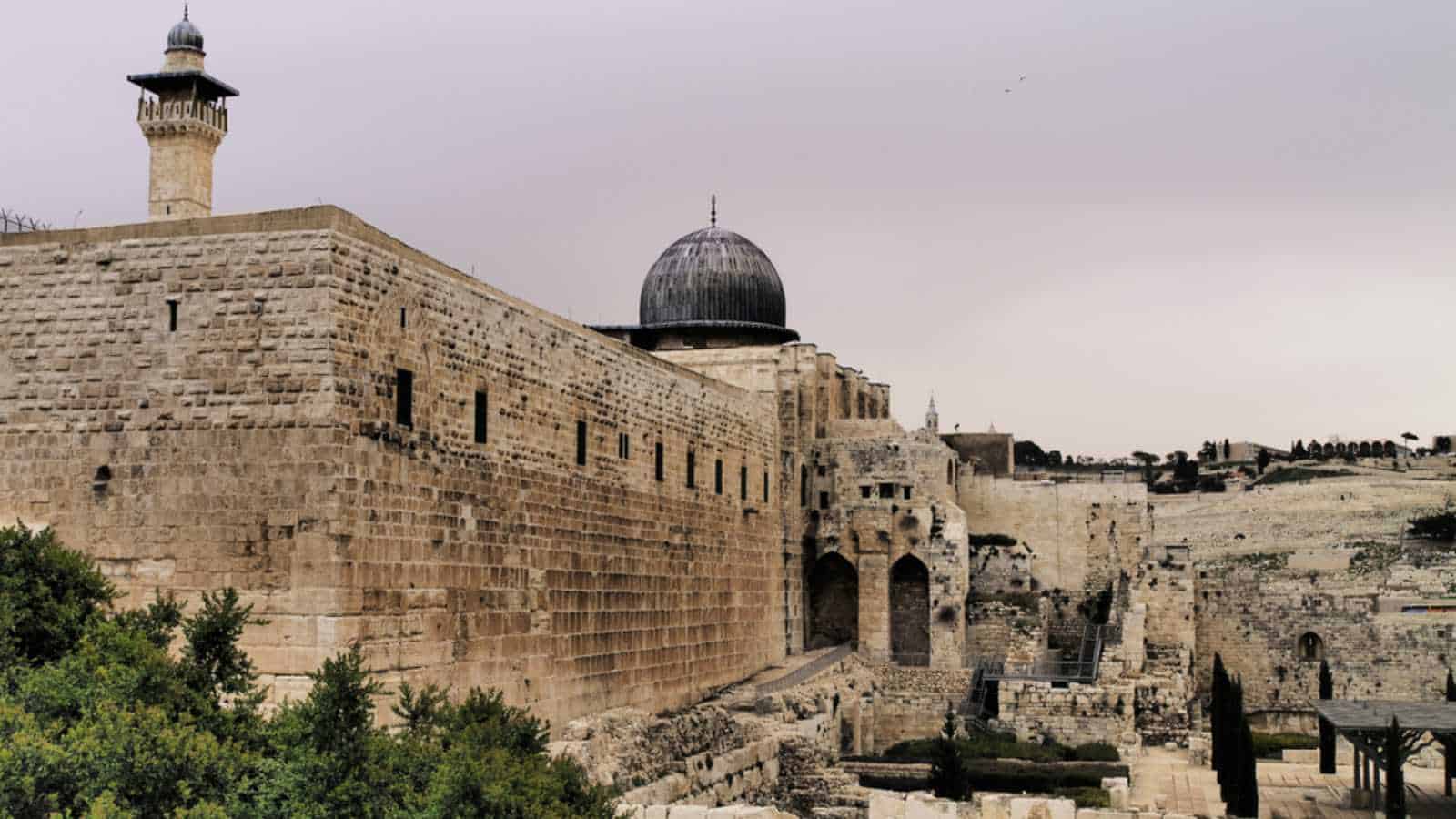
John places Jesus’ temple cleansing near the beginning of his public ministry. Mark, Matthew, and Luke place a similar temple confrontation near the final week before the crucifixion. So did Jesus cleanse the temple once early, once late, or twice because apparently one dramatic table-flipping scene did not make the point strongly enough? Readers keep debating this because the timing changes the story’s dramatic meaning.
Some harmonizers argue that Jesus cleansed the temple twice, once at the beginning and once near the end. Many scholars argue that John moved the event for theological effect, using it early to frame Jesus as the replacement of temple-centered worship. This tension fits a broader Gospel pattern that Zondervan Academic describes as ancient writers choosing to “summarize, paraphrase, omit details” and arrange material to highlight meaning, not to satisfy modern timeline police.
Judas dies in two very different ways
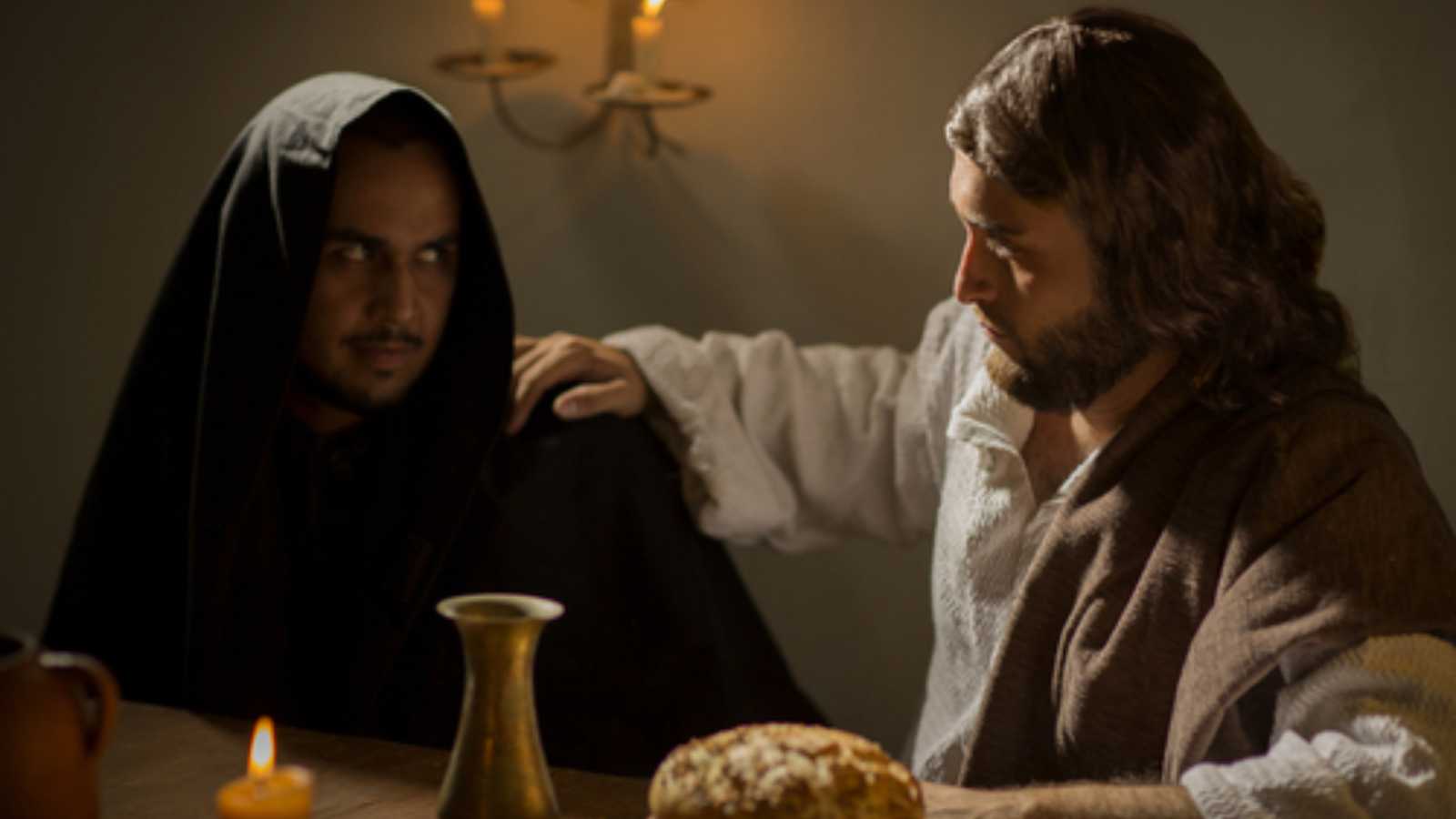
Matthew says Judas threw the silver into the temple, left, and hanged himself. Acts says Judas bought a field, fell headlong, and his body burst open. That is a pretty dramatic difference, and frankly, both versions sound like the ending of a morality tale written by someone having a very intense afternoon. The debate over the contradiction centers on the cause of death, who bought the field, and how the money changed hands.
Defenders often combine the stories by saying Judas hanged himself first, then his body later fell and burst open. Critics argue that Matthew and Luke preserve different traditions about Judas’ death and the Field of Blood. The Gospel Coalition calls the accounts “quite different,” which feels fair, because even a generous reader has to do some serious stitching to turn the two reports into one smooth sequence.
Resurrection morning has shifting details
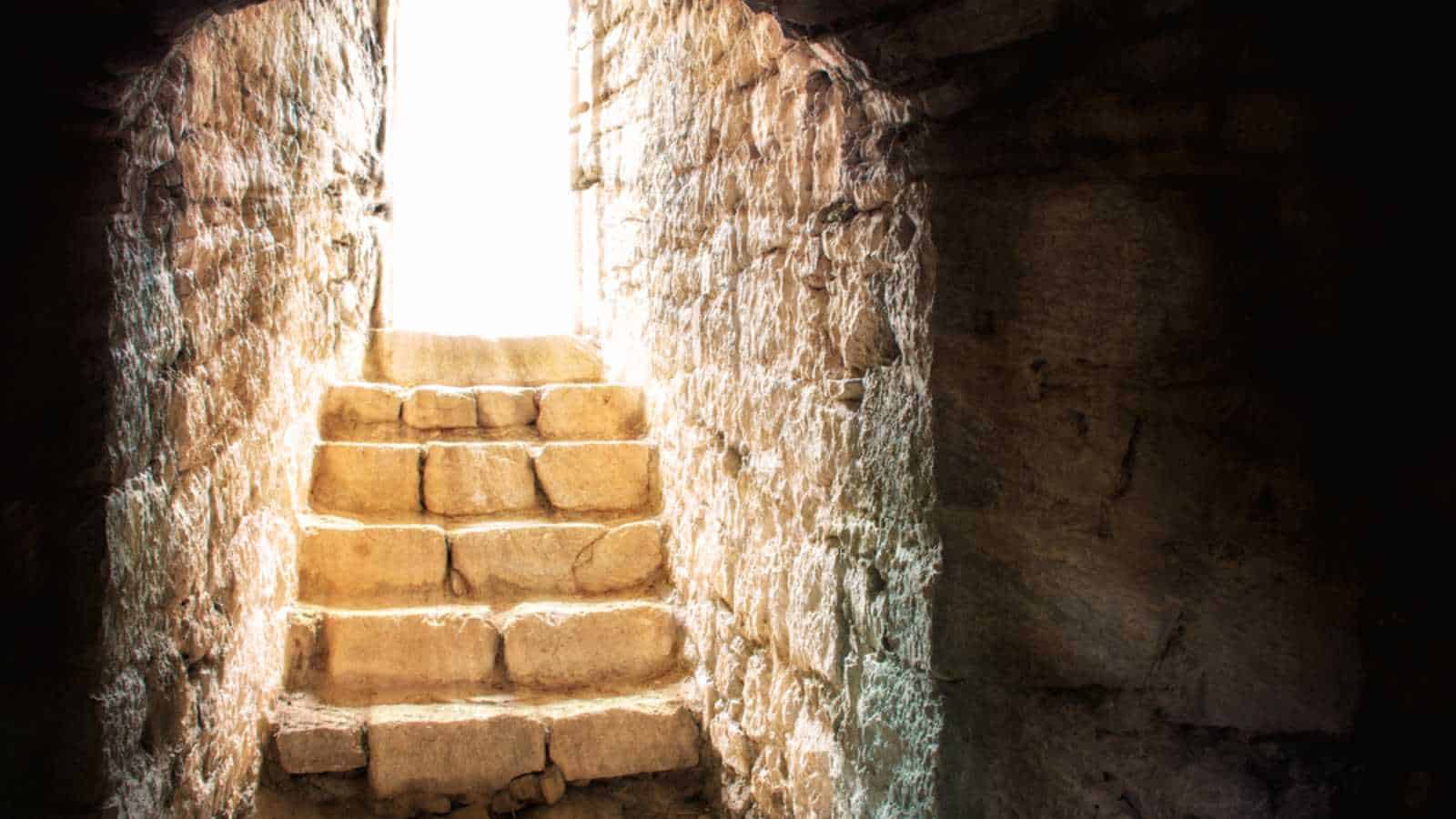
All four Gospels present the resurrection as central, but they do not narrate the morning in identical ways. Matthew mentions Mary Magdalene and the other Mary, an earthquake, guards, and an angel who rolls back the stone. Other accounts vary in the number of women, the angelic figures, the timing, and how the disciples receive the news. For believers, these differences may feel like eyewitness texture; for skeptics, they look like conflicting reports from a very crowded scene.
This debate matters because resurrection accounts sit at the heart of Christian faith, not at the edge of a footnote. Some scholars argue that the differences indicate independent traditions, while apologists argue that partial details can complement rather than contradict one another. The modern trend toward close “horizontal reading,” comparing Gospel accounts side by side, keeps this issue alive because readers no longer hear one Easter reading in isolation and simply move on to brunch.
Jesus’ final words do not match neatly
Matthew and Mark highlight Jesus crying out, “My God, my God, why have you forsaken me?” Luke emphasizes Jesus entrusting his spirit to the Father. John gives the famous final declaration, “It is finished.” Each version carries powerful theology, but the accounts do not present the same final words in the same way. That raises the obvious question: which line came last, and why does each Gospel spotlight a different ending?
Many Christian readers combine the sayings into the traditional seven last words of Jesus. Other readers argue that each Gospel writer shaped the crucifixion scene to reveal a specific portrait of Jesus: anguish in Mark and Matthew, trust in Luke, completion in John. The debate over the contradiction continues because the cross does not function merely as a minor plot point; it carries the emotional and theological weight of the entire Christian story.
Paul’s conversion includes a hearing issue
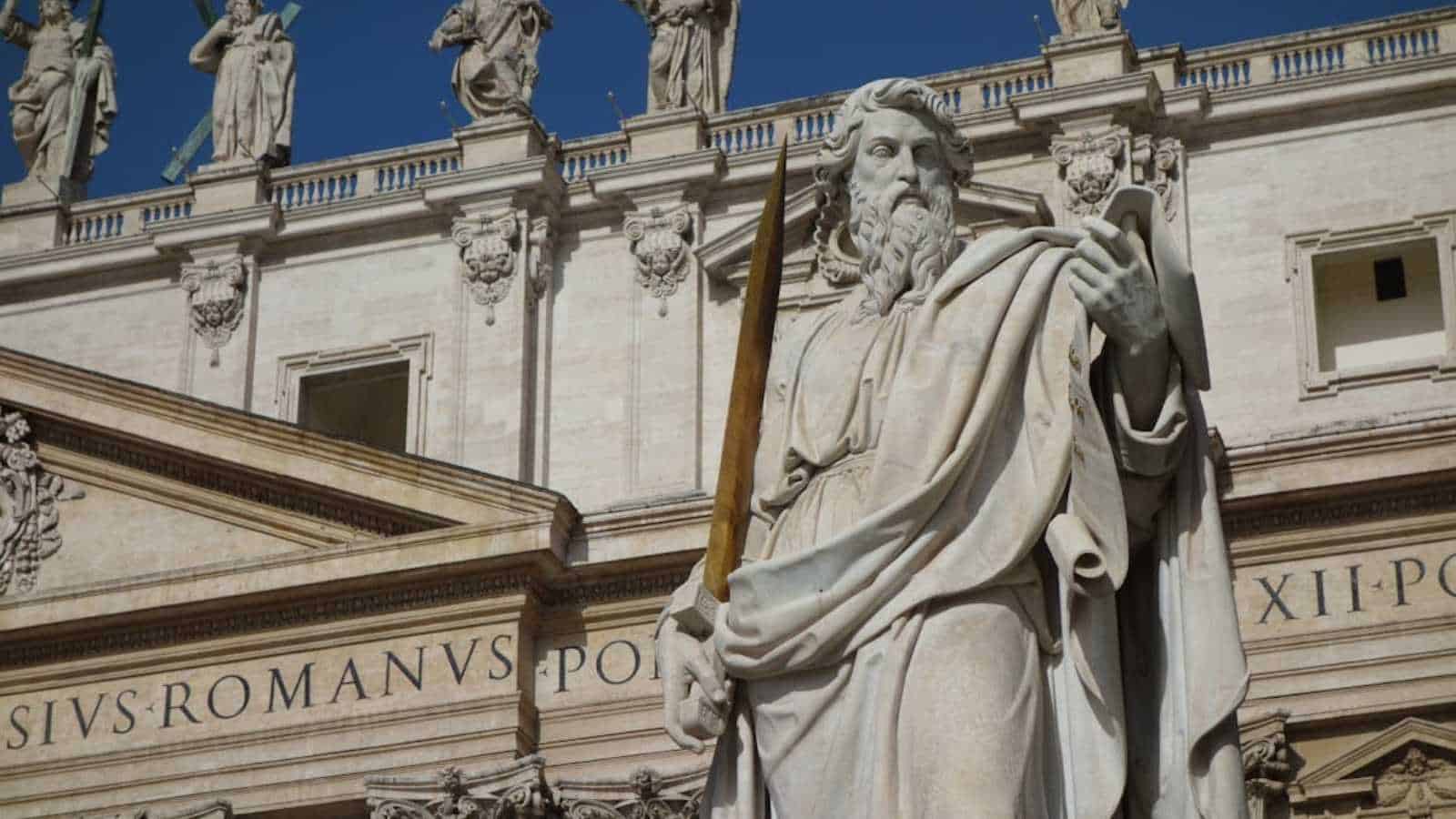
Acts tells Paul’s conversion story more than once, and the details create a classic Bible debate. In Acts 9, Paul’s companions hear the voice but see no one. In Acts 22, Paul says the people with him saw the light but did not understand the voice speaking to him. That sounds like a contradiction until someone brings up Greek grammar and translation nuances, and suddenly the room needs snacks.
Defenders argue that the companions heard a sound but did not understand the message, which solves the issue for many readers. Critics counter that the ordinary reader still sees a tension because one account stresses hearing while another denies meaningful hearing. This contradiction stays popular because it shows how translation choices can either calm a debate or pour espresso on it.
Faith and works still start arguments

Paul writes in Romans that a person receives justification by faith apart from works of the law. James says that a person is justified by works, not by faith alone. If that sounds like a theological boxing match, well, welcome to centuries of Christian debate. This issue helped shape major arguments about salvation, grace, obedience, and what real faith should look like in daily life.
Many Protestants read Paul as rejecting works as the basis of salvation and James as rejecting empty faith that produces no action. Catholic and Orthodox readers often emphasize that faith and works belong together in a living relationship with God. The debate keeps going because the words sound sharply different on the surface, and few topics make Christians argue faster than salvation language with a side of Greek vocabulary.
Key takeaway

The biggest Bible contradiction debates rarely come from one “gotcha” verse standing alone. They usually come from readers comparing parallel passages, noticing shifts in chronology, and asking whether ancient writers aimed for modern precision or theological storytelling. That question matters even more in the U.S., where millions still treat the Bible as spiritually important, yet fewer Americans now read it as strictly literal.
So maybe the real challenge is not just spotting contradictions; it is deciding what kind of book we expect the Bible to be before we start arguing with it over coffee.
Disclaimer: This list is solely the author’s opinion based on research and publicly available information. It is not intended to be professional advice.
Like our content? Be sure to follow us.