10 real reasons the economy looks good on paper while you stay broke
Many Americans feel completely gaslit by news reports claiming the economy is booming.
While official reports highlight rising GDP and low unemployment, household bank accounts tell a different story. The economist Kyla Scanlon, who coined the term “vibecession,” explains that a massive gap exists between fancy spreadsheet numbers and lived experience. The truth is, traditional economic metrics fail to capture the severe structural affordability crisis squeezing families.
The compounding effect of inflation is eating away at purchasing power
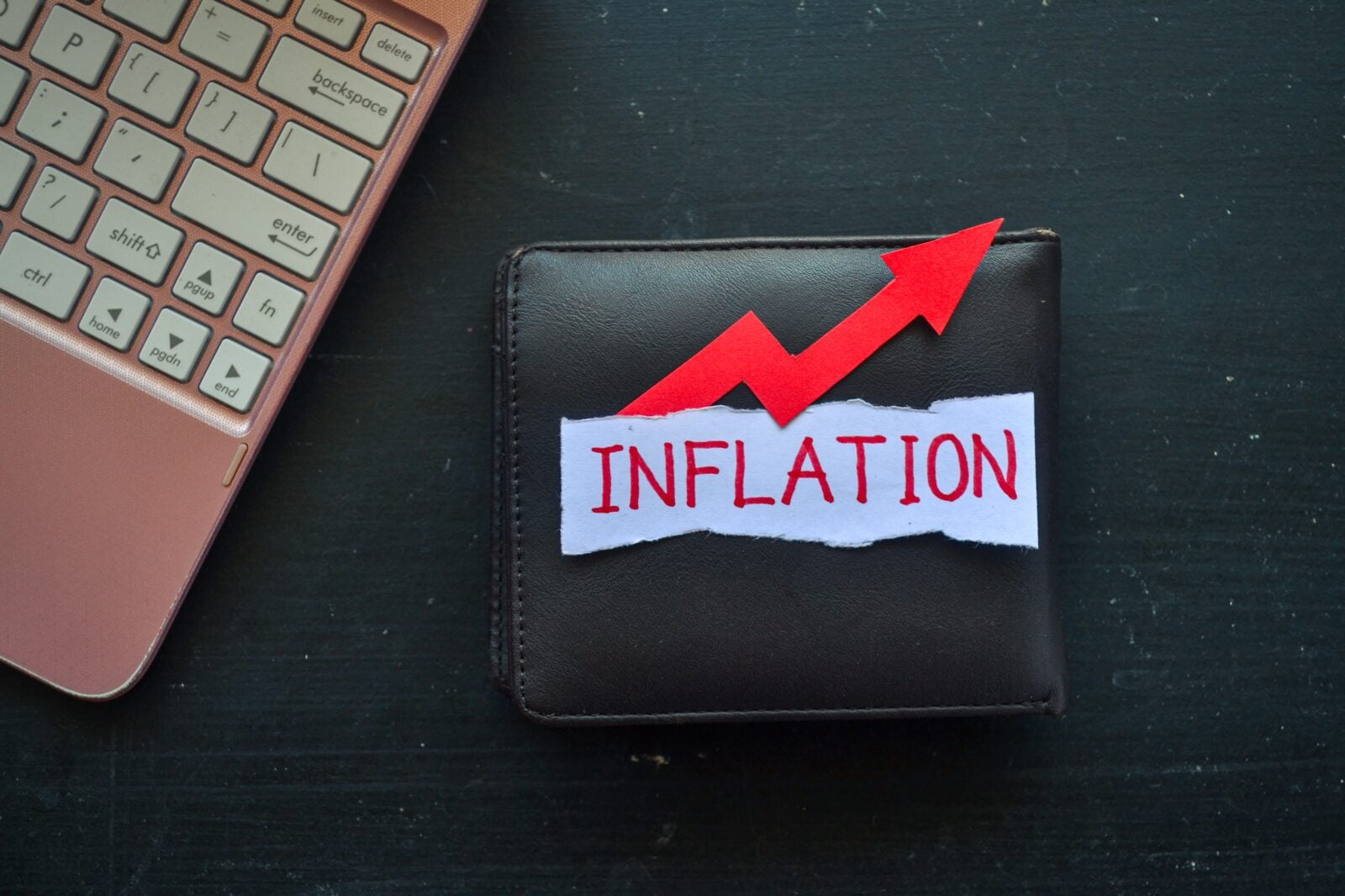
While the annual inflation rate cooled to 3.8% in April 2026, this doesn’t mean prices are actually falling. It simply means prices are growing at a slightly slower pace. Since 2020, cumulative prices have skyrocketed by a staggering 28.67% across the United States.
Today, a standard dollar only buys about 77.7% of what it could buy just six years ago, leaving household budgets permanently damaged.
Real wages fail to keep pace with productivity

Workers are producing more than ever, yet the financial rewards aren’t landing in their paychecks. Nonfarm labor productivity grew by 0.8% in early 2026. However, real hourly compensation, which adjusts pay for inflation, actually fell by 0.5% in the same quarter. The economic system is keeping more of the value created, leaving workers with less.
High-interest debt is the only thing keeping consumer spending afloat
The media loves to brag about strong consumer spending, but it’s largely fueled by a house of cards. Americans are increasingly forced to use credit cards to cover daily expenses.
Total credit card balances hit a record-shattering $1.252 trillion as of the first quarter of 2026.
With average credit card APRs hovering around 21%, carrying a balance can turn minor debts into financial nightmares. Persistent inflation pushes consumers to rely on plastic just to cover basic necessities.
Buying a home has become virtually impossible

The dream of owning a home is structurally out of reach for most average earners. The national home-price-to-income ratio has hit an astronomical 5.08. That’s nearly double the ratio of 2.6 that financial experts recommend for housing to be considered affordable.
The stock market boom only benefits the ultra-wealthy
Headlines about a record-breaking stock market hide the reality that most families don’t own enough stock to benefit. The top 10% of households own 89% of all U.S. stocks, while the bottom 50% own a measly 1%.
Without massive existing investments, a rising S&P 500 does absolutely nothing for the average wallet.
Personal emergency savings have completely dried up
Most families are living on the edge with absolutely no financial safety net. The U.S. personal savings rate dropped to a tiny 3.6% in early 2026. This is down from 5.1% just a year prior, and far below the long-term historical average of 8.38%.
With high prices draining bank accounts, saving money has become a luxury few can afford.
Childcare costs have become a second mortgage

Raising children is so expensive that it’s actively preventing families from building wealth. The national average cost of center-based care has reached $1,230 a month.
While federal guidelines define affordable childcare as 7% of household income, parents spend an average of 20% of their income on childcare. The expiration of pandemic stabilization grants in late 2024 led daycare centers to pass massive price hikes on to families.
Fixed costs like car insurance are quietly skyrocketing

Even when families cut back on discretionary spending, fixed bills still eat up their budgets. Auto insurance premiums have surged by a massive 43% since 2021. Full-coverage car insurance now costs an average of $2,158 a year.
In states like New Jersey, drivers face rate hikes of over 10% just to keep their vehicles on the road.
Record corporate profits came at the expense of consumers

Big businesses are thriving, but it’s happening because they’ve squeezed household budgets. Corporate profits soared to $3.412 trillion in late 2025.
Many companies used global inflation as an excuse to raise prices far beyond their actual cost increases. While their EBITDA margins recovered, consumers were left footing the massive bill.
Low unemployment rates hide the survival-driven rise of side hustles
The low 4.3% unemployment rate sounds amazing, but it hides a highly stressful reality. Millions of workers are forced to take multiple jobs just to pay the rent. In early 2026, about 8.399 million Americans held more than one job.
The share of multiple jobholders has remained above 5.0% for 32 straight months, the longest streak since 2009. People aren’t working extra hours because they want to; they’re doing it to survive.
Key takeaway
The economy looks strong on paper because corporate profits and high-earner spending skew the data. For average Americans, compounding inflation, massive credit card debt, and astronomical housing costs mean the struggle is incredibly real. Until basic living costs like rent and childcare align with real wages, the deep disconnect between economic statistics and bank accounts will remain.
Disclaimer – This list is solely the author’s opinion based on research and publicly available information. It is not intended to be professional advice.
Like our content? Be sure to follow us