12 items that make independent living less stressful
Around 400 million people worldwide now live alone, roughly 15% of all households globally, according to 2026 estimates. In the United States, that figure sits at 29%, nearly triple what it was in 1960. In Washington, D.C., nearly half of all households contain just one person.
The numbers aren’t surprising when you consider the forces driving them: delayed marriage, rising incomes among women, longer lifespans, and a generational shift in what independence actually means. What the numbers don’t capture is the infrastructure gap that opens up the moment a household shrinks to one.
Every system that previously relied on shared effort (groceries, medication, sleep, safety, and cleaning) now falls entirely on one person. The right items don’t make you self-sufficient so much as they make self-sufficiency sustainable.
These twelve are worth your attention.
A good set of meal prep containers
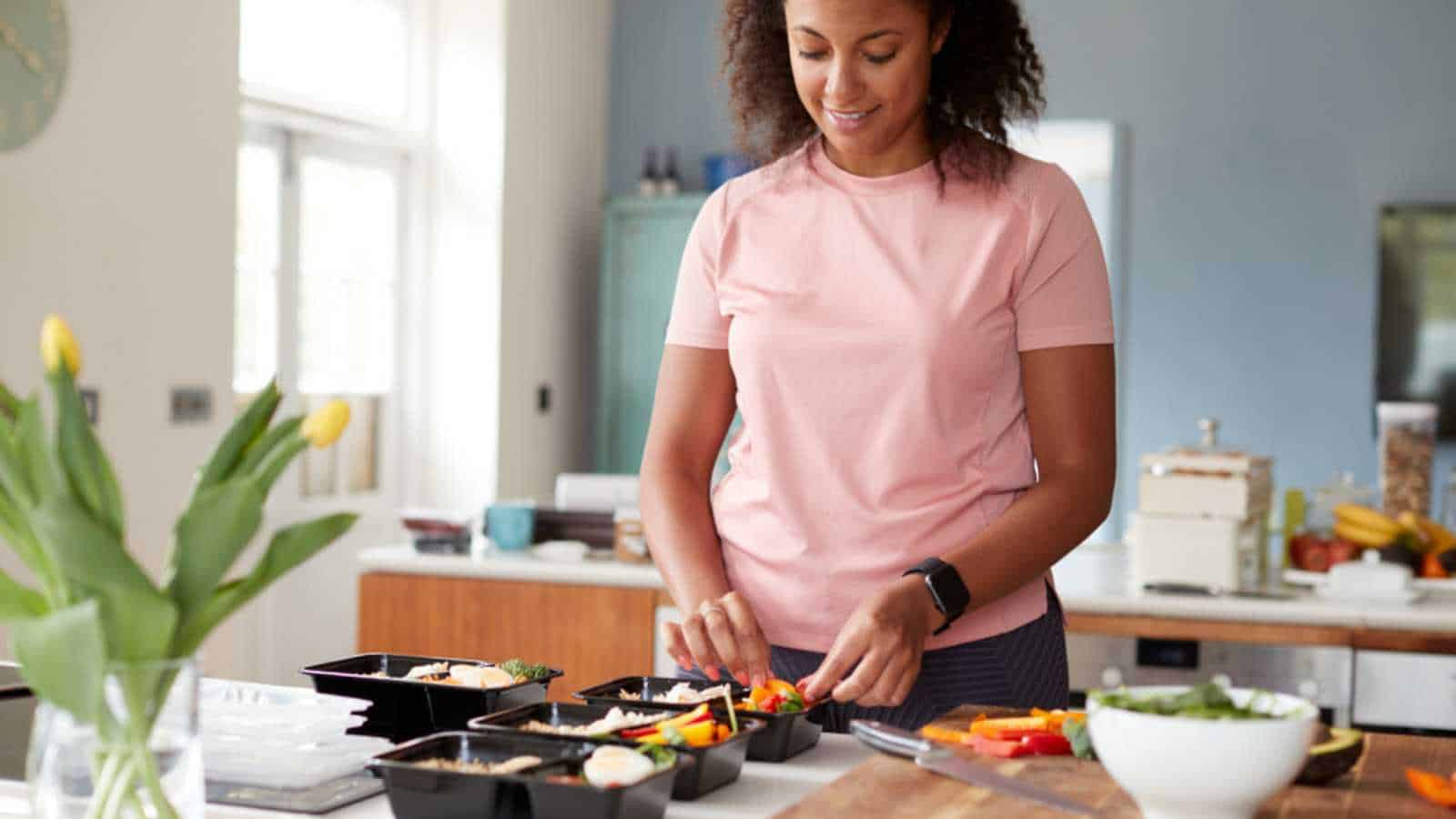
Food is one of the first things that falls apart when you live alone. You cook for four out of habit and eat leftovers until you hate them, or you undercook because one portion feels wasteful, and then you’re ordering delivery three nights in a row.
The USDA’s Economic Research Service estimates that home food preparation takes an average of 37 minutes per day for Americans who cook; time that drops substantially when batch cooking consolidates multiple meals into a single session.
For solo living specifically, this matters because every unplanned dinner is a small negotiation with your own motivation, and after a ten-hour workday, motivation is not a reliable resource. Glass containers tend to outperform plastic over time because they don’t absorb odors or stain, and they’re oven-safe, which extends their utility considerably.
Label everything by prep date, rotate older portions to the front, and the food waste calculus shifts entirely. The average household tosses about $1,500 worth of food annually, according to the USDA; a number that drops sharply when storage becomes deliberate rather than reflexive.
A pill organizer (the unglamorous life-saver)
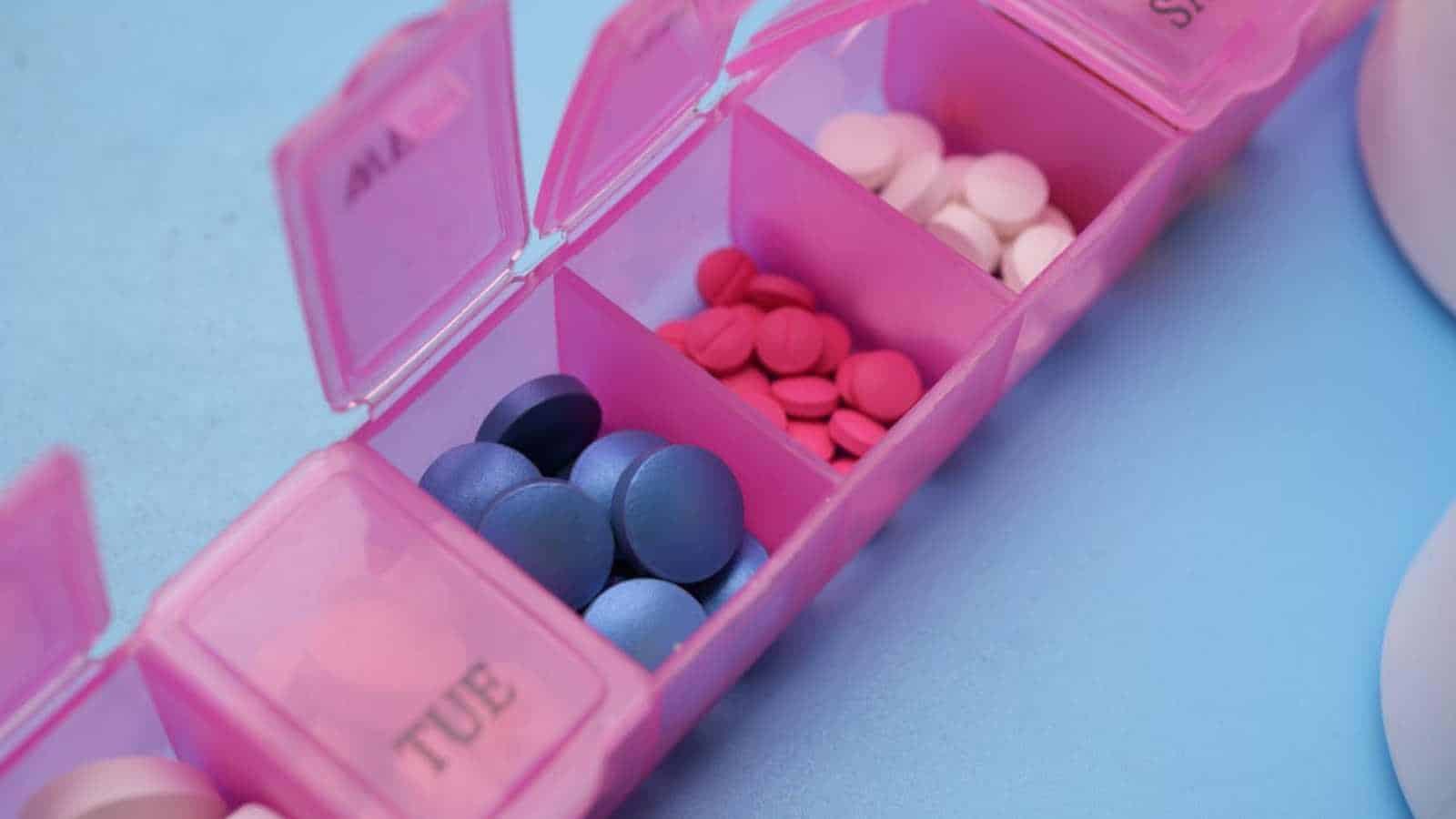
A study found that 64% of medication users showed high non-adherence scores, and the single most common reason, cited by 42% of those participants, was straightforward forgetfulness. A pill organizer resolves that cause entirely, and the same study found that using one was a statistically significant predictor of better adherence, alongside age and education level.
For people managing one or two daily medications, the stakes feel low until they aren’t. Missed blood pressure medication, skipped antidepressants, or inconsistent thyroid treatment all accumulate consequences that are slow to appear and expensive to reverse. People living alone don’t have a partner to say, ‘Did you take your pills this morning?’ That second voice is replaced either by a system or by nothing.
The weekly seven-compartment organizer is the minimum viable option. Smart pill dispensers now exist that lock compartments and sound alarms when it’s time – useful for anyone managing complex multi-drug regimens.
A cordless stick vacuum that you’ll actually use
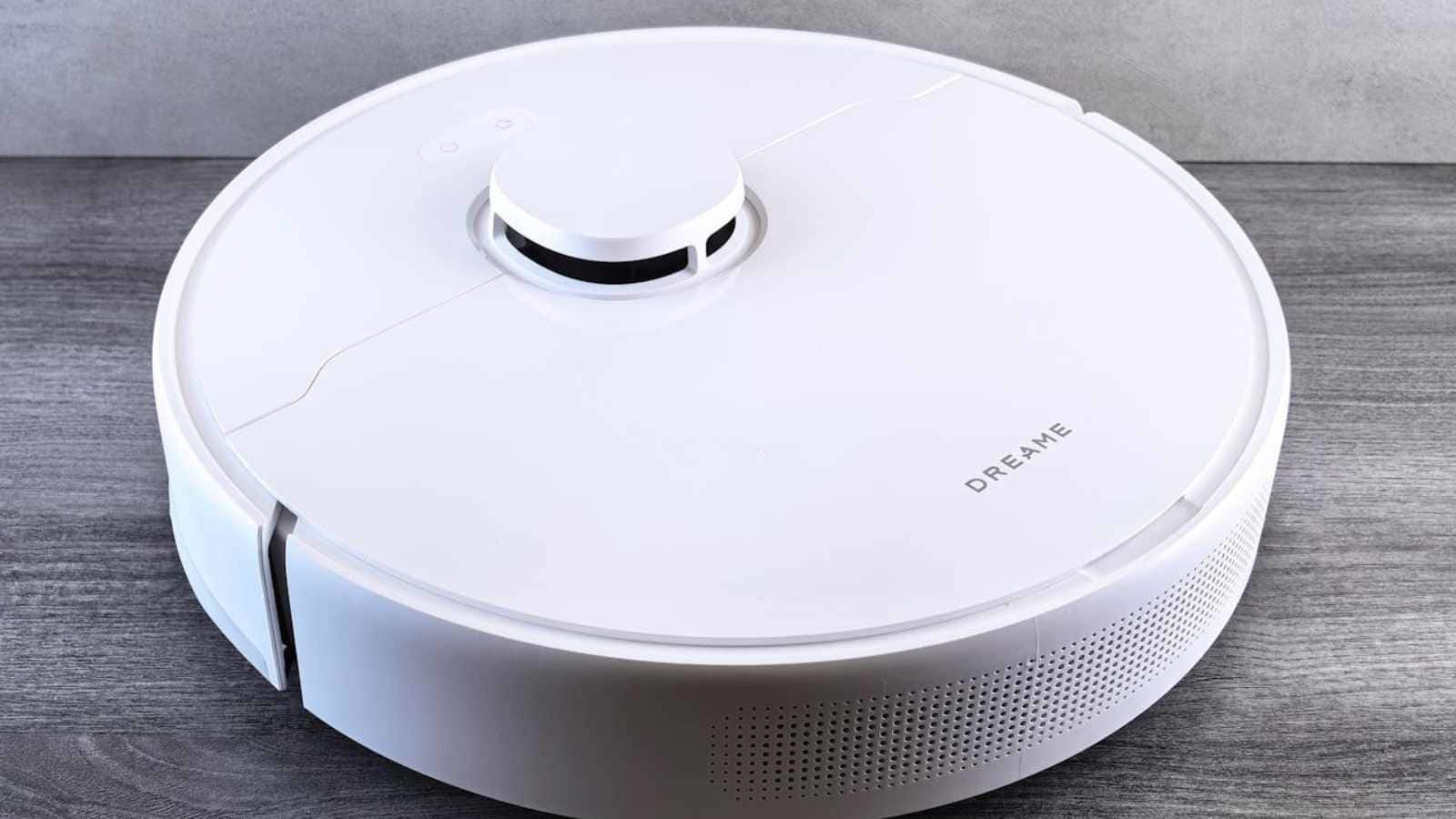
Corded vacuums require you to locate an outlet, manage the cord around furniture, and return the machine to storage; a sequence of minor irritants that, collectively, are enough to delay cleaning indefinitely. A cordless stick vacuum removes all of that friction. You grab it, run it across the kitchen after dinner, and park it back on its dock in under four minutes. The barrier to entry drops so low that cleaning stops feeling like a task and becomes a reflex.
The psychological stakes here are higher than they appear. Clutter and disorganization produce measurable cortisol spikes. Living alone means no one else will run the vacuum when you don’t. The floor is entirely your responsibility, and the path of least resistance is either a good tool or a dirty home.
Battery life matters more than suction marketing. Most modern stick vacuums from Dyson, Shark, and Samsung offer 40-60 minutes of run time, which is more than enough for a single-occupancy dwelling. The wall-mounted dock serves as a visual prompt: the vacuum is seen daily, so it gets used regularly, not just the day before guests arrive.
A basic tool kit (the one you’ll actually reach for)

Maintenance problems don’t wait for convenient timing, and when you live alone, no one else is going to deal with the loose cabinet hinge or the smoke detector emitting its low-battery beep at 2 am. A functional home tool kit is one of those items that costs you almost nothing until the moment it saves you several hundred dollars in service call fees (or an evening of misery), and at that point, you are profoundly grateful it exists.
The toolkit also addresses a subtle problem specific to solo living: the sense that small but visible home maintenance issues are slightly out of reach. A picture frame that has been leaning against the wall for four months because hanging it seemed like too much effort without the right hardware is a minor but consistent environmental irritant.
Organize the kit into a single portable case rather than scattering it across various kitchen drawers. When the tool is easy to find, it gets used. When it requires a ten-minute search across three rooms, it stays conceptually in the ‘I’ll deal with it later’ category indefinitely.
A white noise machine (with an honest disclaimer)
There’s no background hum of another person’s presence, and the building’s ambient sounds – a neighbor’s TV, the elevator, early-morning garbage collection – arrive without the buffer of company.
A study monitored brain activity in sleepers exposed to hospital sounds with and without a white noise machine; those using the machine showed significantly fewer arousals. Michael Grandner, director of the Sleep and Health Research Program at the University of Arizona, describes the effect as a blanket of sound; not blocking noise but smoothing the contrast between silence and sudden intrusions.
A competing view, and one worth acknowledging, holds that white noise at sustained or high volumes may not be neutral. The brain, accustomed to detecting threats through auditory changes, may become dysregulated by a constant sonic ceiling. The practical implication is straightforward: volume matters. Used sensibly, the benefit for urban dwellers and light sleepers is well-supported. Used as an audio wall, it introduces its own complications.
Pink noise is worth mentioning as a distinct option. Research from Northwestern University found that older adults who slept with pink noise showed improvements in sleep-dependent memory consolidation – the frequencies are lower and softer than white noise, closer to the sound of rain or a waterfall, and may prove less jarring for some users.
A comprehensive first aid kit stocked to your actual needs

Emergency responders commonly cite a 72-hour window as the realistic outer limit before help arrives after a major disaster, and that assumes infrastructure is functioning. A housemate can call an ambulance. They can apply pressure to a wound while you fumble with your phone. Alone, every step in a minor medical emergency falls on one person.
The American Red Cross baseline list for a household of four includes adhesive bandages in multiple sizes, sterile gauze, medical tape, hydrogen peroxide, antibiotic ointment, cold packs, scissors, tweezers, and a thermometer. Mayo Clinic adds aspirin specifically because it may be life-saving in an adult experiencing chest pain; a scenario that is considerably more dangerous when you’re alone and need time to reach a phone. Pain relievers, antihistamine, hydrocortisone cream, and any personal prescription medications round out a genuinely functional kit.
Keep the kit visible, keep a second smaller version in your car, and review it every six months for expired items.
A smart thermostat that learns your schedule
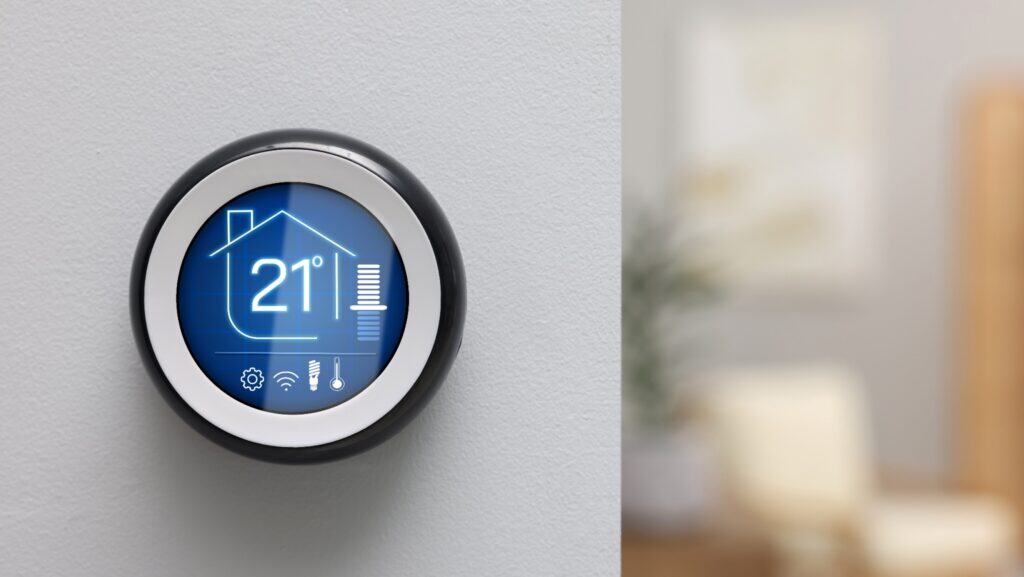
The decision fatigue argument for smart home devices is not a soft, aspirational claim. Cognitive psychology research confirms that repeated low-stakes decisions – did I turn the heat off, should I adjust the AC before I leave, is the apartment too cold tonight – drain executive function in the same neurological pathways as high-stakes decisions.
The U.S. Department of Energy reports that smart thermostats save households between 8% and 15% on heating and cooling costs by adjusting to occupancy patterns and learned schedules. For a solo renter spending $150 a month on utilities, that’s up to $270 a year returned without any behavioral change; the device handles the optimization. Models like the Nest and Ecobee detect presence via occupancy sensors, meaning the home cools or warms based on whether you’re actually in it rather than a schedule you optimistically programmed during setup and never updated.
For people who work irregular hours or travel frequently, the remote control function is useful in a way that’s hard to quantify until you experience it. Returning home to a comfortable temperature after a late flight is a small thing that lands differently when it’s consistent. The compounding effect of small frictions removed is most visible in their absence.
A personal safety app or wearable alert device
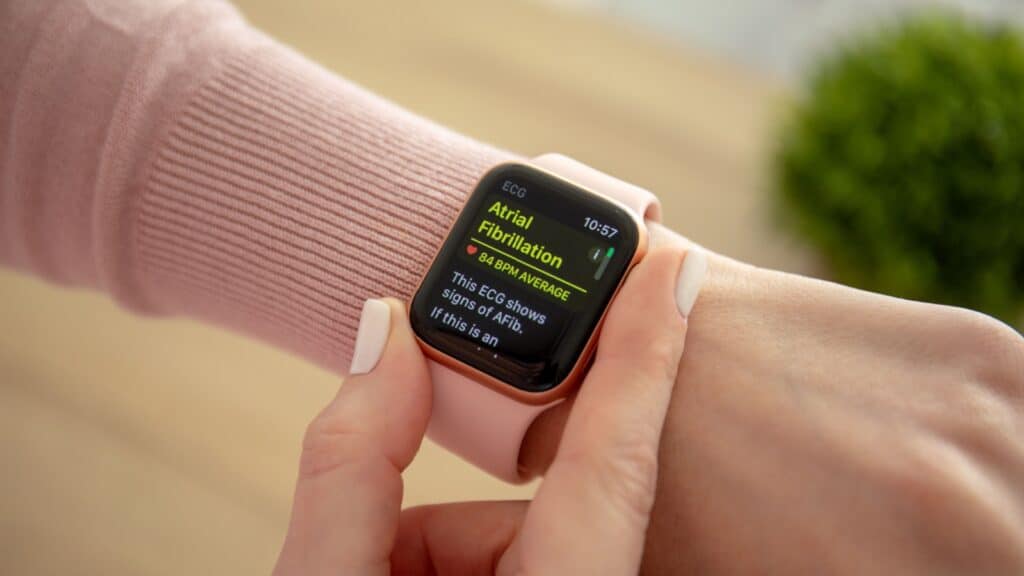
The concern about safety when living alone is usually framed around security – locks, cameras, doorbells. That framing misses the more statistically common scenario, which is medical. The majority of older adults who live alone and require formal assistance are disproportionately likely to forgo basic activities (getting out of bed, cooking, basic mobility tasks), not because they can’t perform them, but because they lack someone available to assist when something goes wrong mid-task. A wearable alert device or a personal safety app with location-sharing addresses that addresses that gap.
Personal emergency response systems have moved well past the dated ‘I’ve fallen and I can’t get up’ archetype. Modern devices like Apple Watch’s fall detection, or dedicated services such as Medical Guardian and Life Alert, combine GPS tracking, automatic fall detection, and two-way communication with emergency dispatch. Some even monitor heart rate irregularities and alert emergency contacts without requiring the user to press anything.
For younger adults living alone, safety apps like bSafe and React Mobile offer a check-in system where a trusted contact is notified if a scheduled check-in is missed; a low-tech but psychologically meaningful backup for anyone who travels solo or works late hours.
Identify two or three emergency contacts who understand their role, share your home address with at least one of them, and keep your preferred device charged and accessible – not sitting in a drawer because it feels unnecessary on a good day. It always feels unnecessary until the day it isn’t.
A physical weekly planner or whiteboard calendar
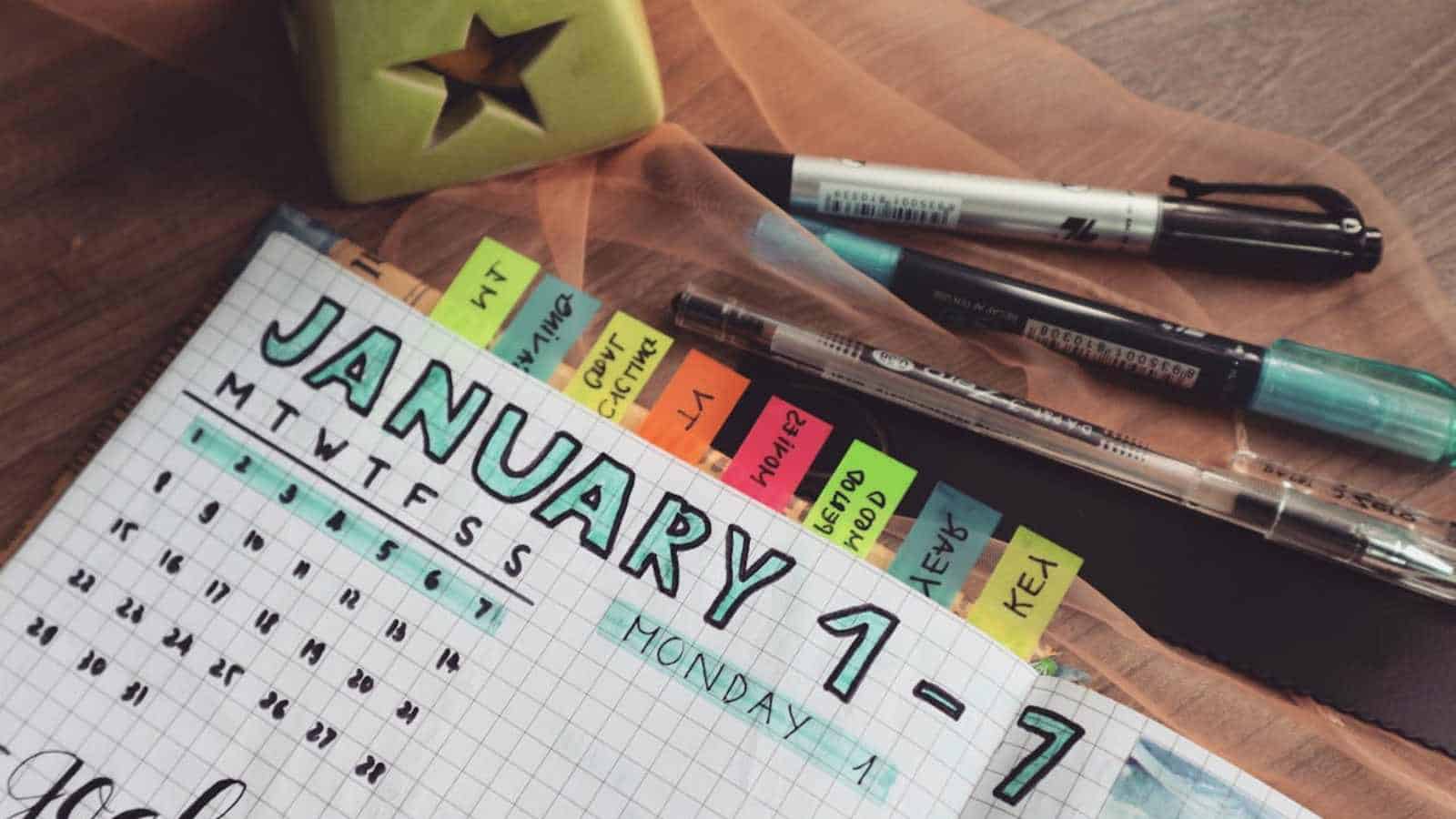
Digital calendars are excellent until they aren’t visible. When your schedule lives in a phone, it exists in a context that also contains every other demand on your attention (notifications, messages, social media, email).
A physical planner or wall calendar creates an uncontested visual field. You walk past it every morning, and the week’s commitments are present without requiring you to open anything. The behavioral implication is not trivial: environmental cues drive habitual behavior more reliably than intention, and a visible schedule is a cue that belongs to no other system.
For people managing their lives without the informal organizational support of a household, the stakes of forgotten appointments or missed deadlines are higher. The external accountability that cohabitants provide is subtle enough that most people only notice it once it’s gone.
A wall calendar or desk planner partially restores that function by making the week legible in a glance. It also externalizes the mental load of tracking multiple commitments, which research on cognitive overload consistently finds is better handled by offloading to a physical medium than held in working memory.
A quality reusable tote and a grocery list app
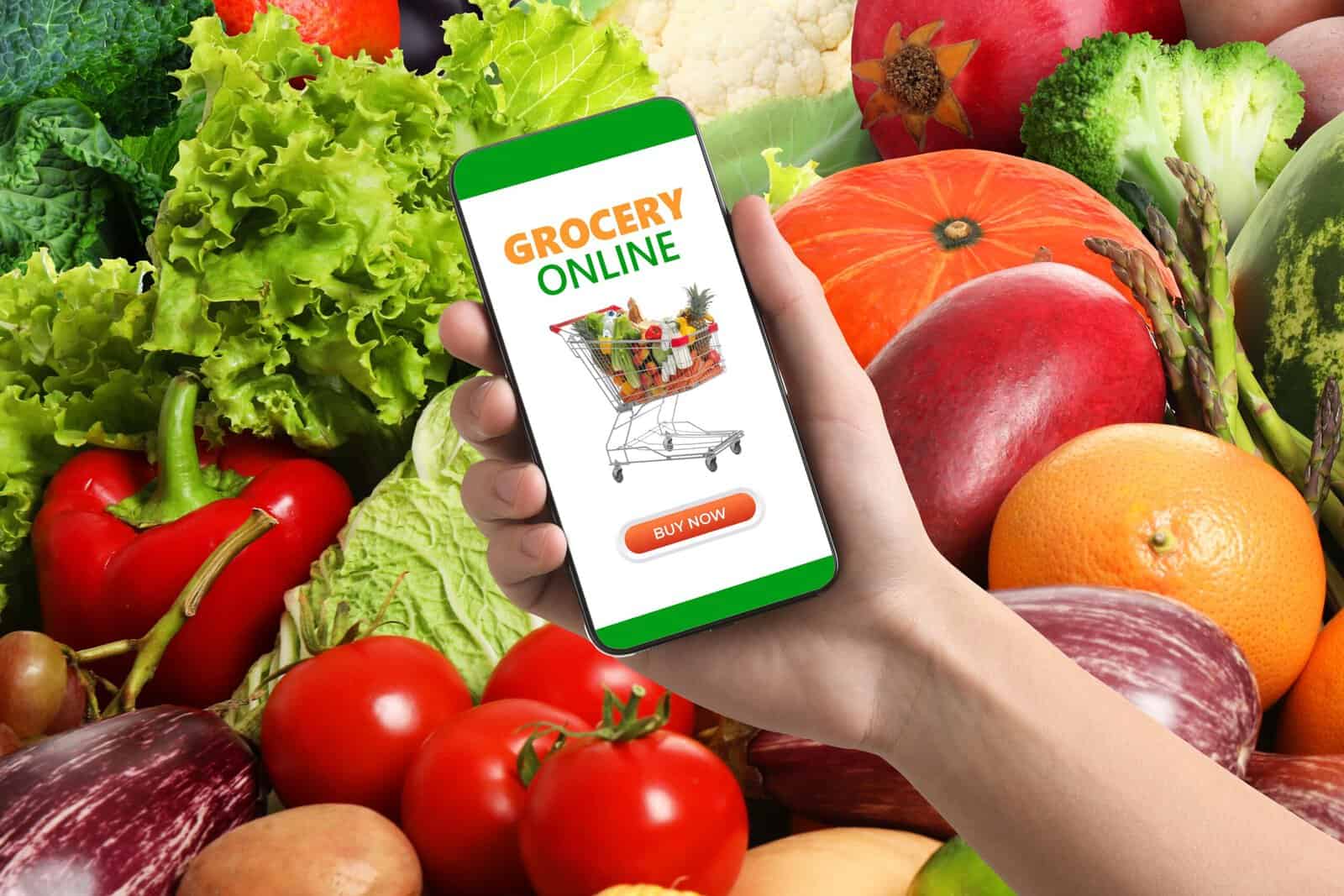
AnyList, Listonic, and similar platforms let you organize items by store section, mark as bought in real time, and share lists with emergency contacts or family members who might be doing a pickup run. The U.S. Bureau of Labor Statistics identifies food as the third-largest household expense after housing and transportation, which is reason enough to approach it with at least minimal structure.
Keeping two or three folded bags near the front door or in a backpack removes the ‘I forgot bags again’ moment that leads to a drawer full of single-use plastic and a recurring low-grade guilt about it. In cities where bag fees apply, it also removes a small but steady financial leak.
The combined habit of list plus bag converts grocery shopping from a stressful, improvised task into a logistics routine. Logistics routines are significantly less cognitively expensive than decisions, and over the course of a month, that shift in mental overhead accumulates into something meaningful.
A door hanger organizer or entryway command station
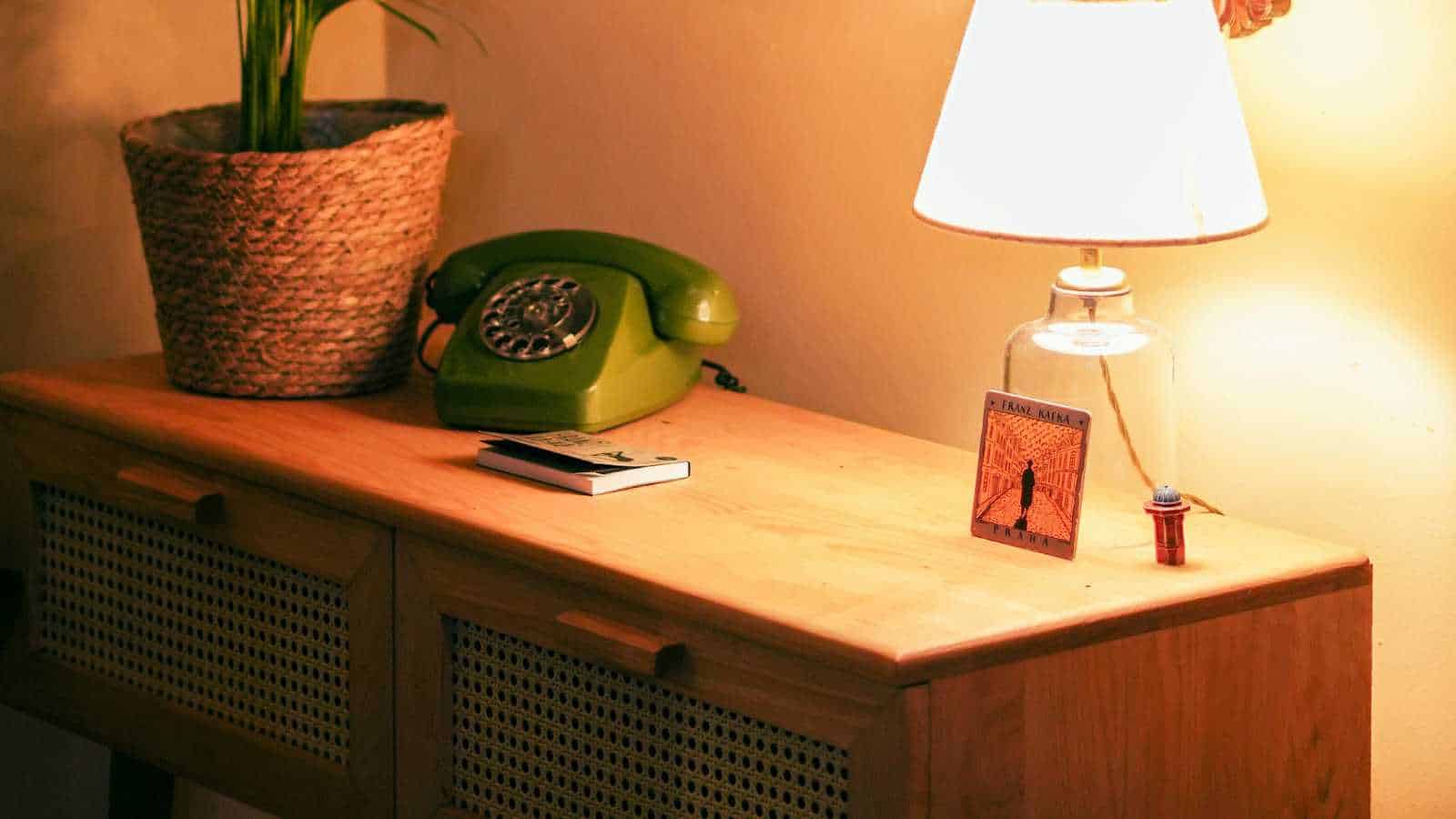
An entryway organizer that gives a fixed home to keys, a hook for bags, a tray for mail, and a shelf for anything that travels with you daily collapses the morning chaos into a simple ritual of placement.
Behavioral science refers to this as context-dependent memory support: when objects live in a consistent location near the point of action, retrieval is nearly automatic. physically placing an object in a designated spot – rather than setting it down wherever – activates a different memory encoding pathway, making the location easier to recall under stress. This is why the classic ‘always put your keys on the hook’ advice is less about neatness and more about reducing cognitive load during the moments when it’s most depleted – morning exits, late arrivals, tired evenings.
A command station for a solo household doesn’t need to be elaborate. A wall-mounted key hook, a small basket for essentials, and a thin shelf for mail and documents often fit in less than a foot of wall space near the front door. The investment is minimal; the friction removed is daily.
A comfortable reading chair positioned away from screens

Living alone means your home is simultaneously your social space, your recovery space, and your workspace – and in the era of laptops and remote work, those functions increasingly compete for the same furniture. The result is a home where every surface has been colonized by productivity, and actual rest (the kind that involves a body at ease, attention at low demand, and no screen) has nowhere to happen naturally.
A reading chair positioned away from the desk and away from the TV creates a physical anchor for decompression. It doesn’t need to be expensive or aesthetically significant. What it needs to be is consistently used for the same low-stimulation activity (reading, listening to music, doing nothing) until the association between the chair and rest becomes automatic.
Stress-coping in solo living among younger adults is a skill rather than a fixed disadvantage. Part of building that skill involves creating the physical conditions for genuine recovery, and a chair that serves nothing but rest is a small, inexpensive, underrated piece of that infrastructure.
Key takeaways:

- 400 million people live alone globally, yet most struggle with the same six pressure points: food, medication, sleep, safety, cleaning, and organization.
- The right items don’t replace self-sufficiency – they make it sustainable.
- Medication non-adherence affects 64% of users; forgetfulness is the leading cause, and a pill organizer eliminates it entirely.
- Environmental design does more behavioral work than willpower – your home’s setup is the fastest variable you can change.
- Living alone is a skill, not a fixed disadvantage – the stress gap between solo and shared households narrows with time and the right infrastructure.
Disclaimer – This list is solely the author’s opinion based on research and publicly available information. It is not intended to be professional advice.
Like our content? Be sure to follow us