12 foods to eat after 60 that support healthy aging and longevity
Reaching your sixties often brings a new desire to focus on your physical vitality and daily energy. You might notice that your body reacts differently to the meals you used to enjoy without a second thought. Most people do not realize that certain everyday ingredients serve as fuel for protecting their cells and keeping their joints moving smoothly.
Making smart choices at the grocery store helps you maintain your independence and feel strong during your retirement years. Selecting the right ingredients provides a steady supply of vitamins, clean energy, and protection against inflammation. Experts at Harvard T.H. Chan School of Public Health note that eating patterns rich in vegetables, whole grains, nuts, legumes, and healthy fats are strongly linked with healthier aging.
Fatty fish

Including salmon, mackerel, or sardines in your weekly dinner routine provides a substantial dose of healthy fats. These specific seafood options contain high levels of omega‑three fatty acids, which help protect your cardiovascular health and lower inflammation. This regular habit also provides a great source of lean protein to help you maintain your muscle mass as you get older.
Strong muscles keep your balance steady and protect your bones from accidental slips or painful falls during daily activities. The natural oils in the fish also help keep your brain sharp and your memory clear. Adding a couple of servings of fatty fish to your week is a simple change that can have long‑term benefits.
Blueberries
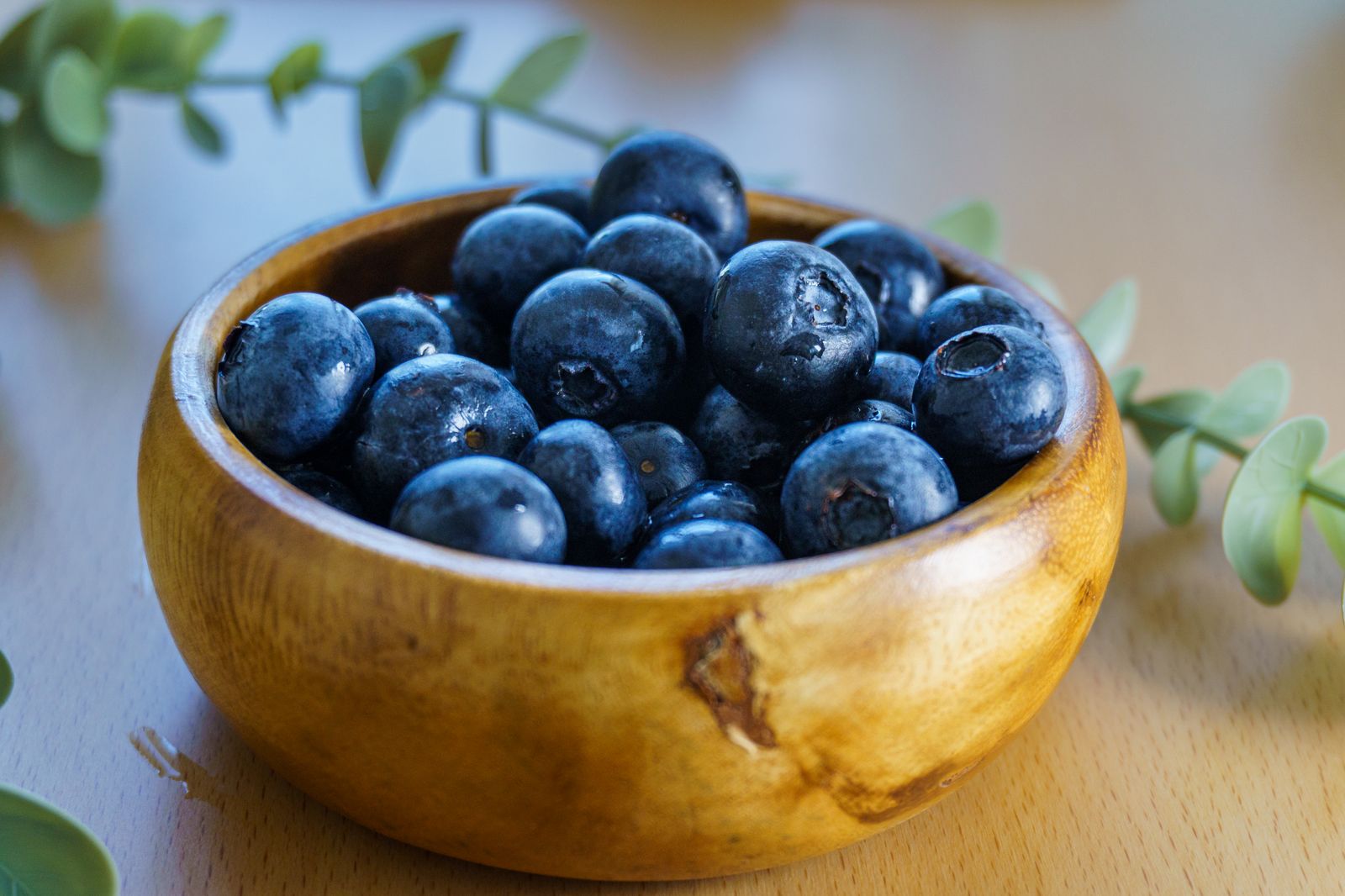
These small fruits pack a massive nutritional punch that can easily transform your morning breakfast routine. They contain deep natural pigments that act as powerful antioxidants, shielding your body from cellular stress and age‑related damage. Recent roundups from Verywell Health highlight blueberries as one of the key fruits linked with better cognition and healthier aging after 60.
They also offer a sweet flavor without causing a sharp spike in your blood sugar levels after you finish eating. This makes them a perfect snack choice for maintaining steady energy throughout a busy afternoon in the garden. The fruit’s natural fiber also supports your digestion and keeps your gut moving smoothly every day.
Leafy greens
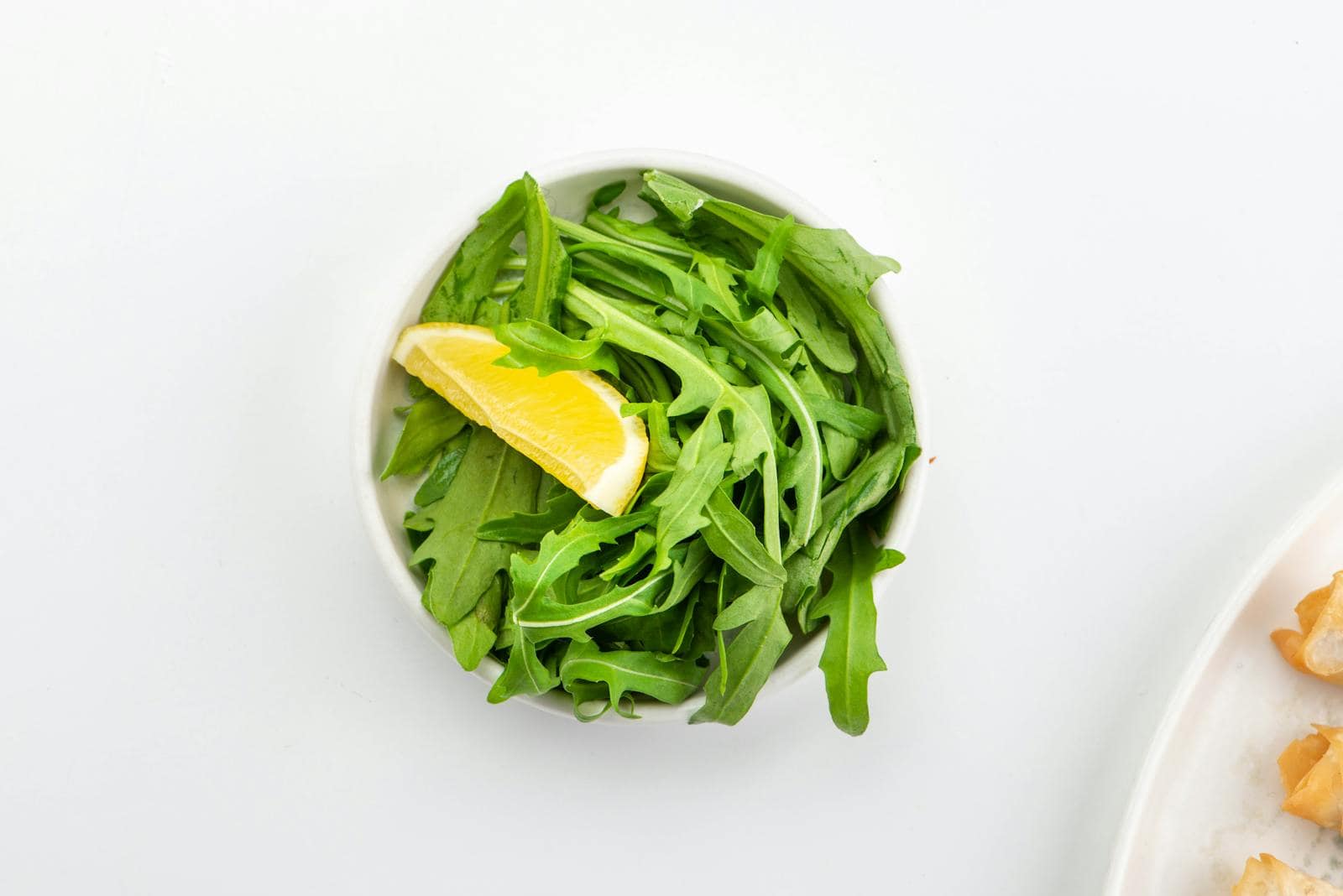
Spreading a generous portion of spinach, kale, or Swiss chard across your dinner plate provides your body with vital nutrients. These dark vegetables provide an abundance of calcium, iron, and key vitamins that keep your skeletal structure remarkably dense and durable. They also contain high levels of dietary fiber, which helps your body digest food efficiently and prevents uncomfortable bloating.
This clean vegetable choice supports weight management by filling you up without adding excess calories or unhealthy fats. The natural compounds inside the leaves also support clear vision by protecting your eyes from light damage. Making leafy greens a daily habit is one of the simplest ways to upgrade the quality of your meals.
Greek yogurt
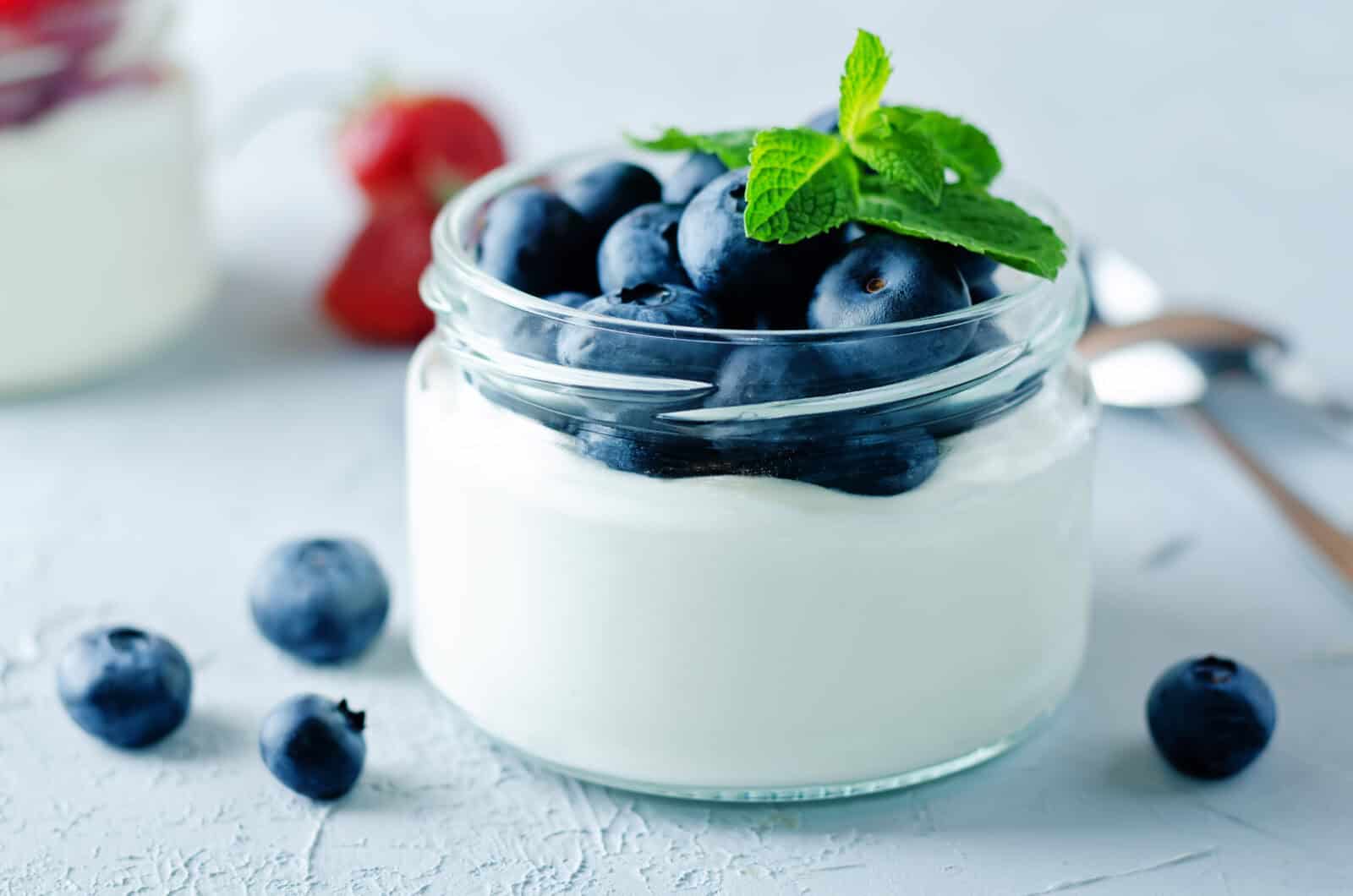
Choosing this thick dairy option over standard varieties gives your body a massive dose of concentrated calcium and high‑quality protein. It contains twice as much protein as many regular alternatives, which makes it excellent for maintaining your physical strength and muscle tone.
It also contains live cultures that populate your digestive tract with helpful bacteria, improving your immune response. A healthy gut allows your body to absorb vitamins from other meals much more effectively throughout the afternoon. Articles from AARP explain that newer dietary guidance emphasizes getting enough protein and calcium later in life to support muscle and bone health.
Walnuts
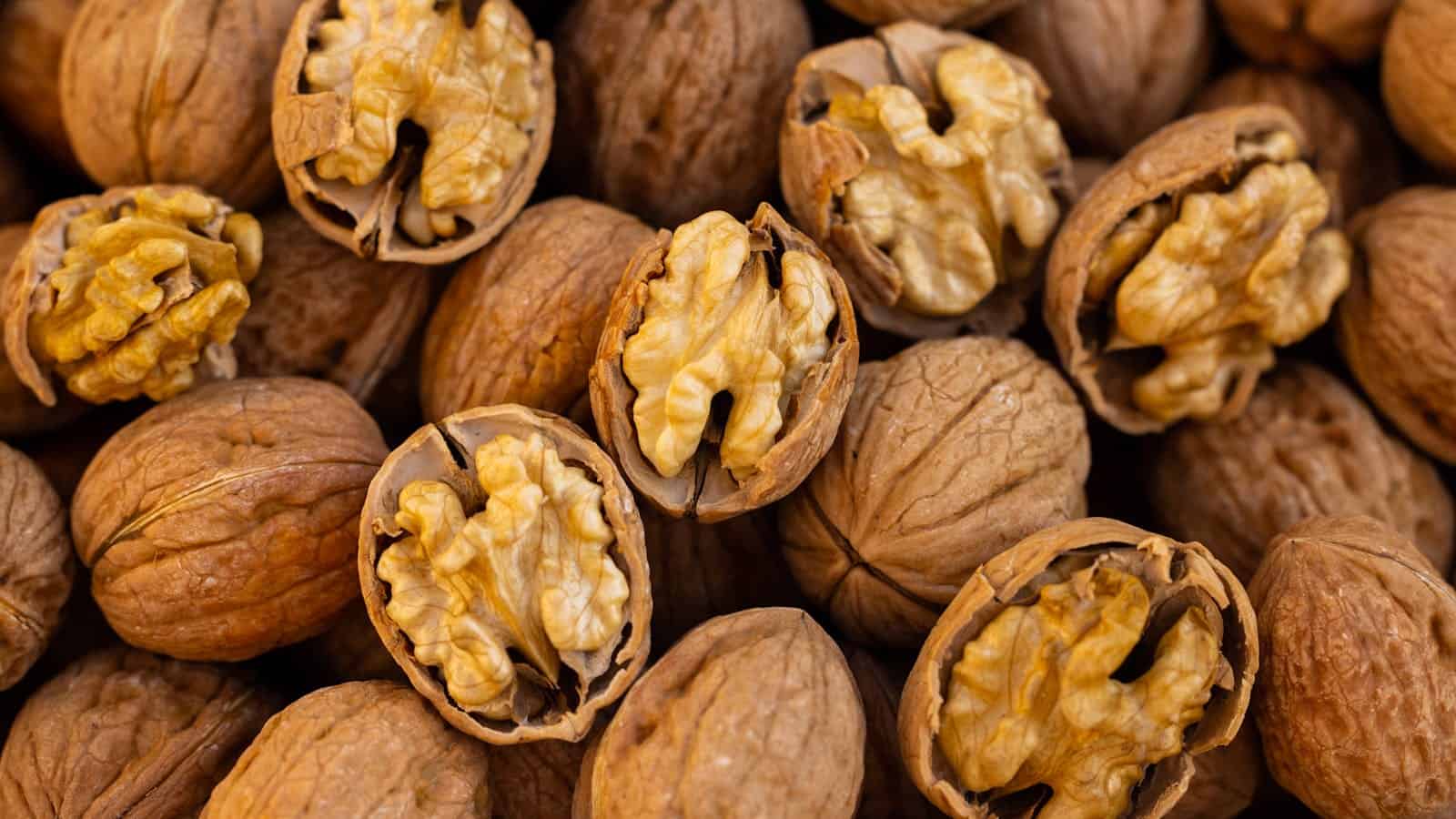
Snacking on a small handful of these distinct nuts offers an easy way to protect your circulatory system and brain health. They are the only nuts that provide a significant amount of plant‑based omega‑three fats to help lower your blood pressure naturally. They also contain a unique blend of antioxidants that specifically target inflammation in your joints and connective tissues.
This can help reduce the morning stiffness that many individuals experience as they transition into their sixties and seventies. The crunch provides a satisfying texture that keeps you full between lunch and dinner without relying on processed snacks. Keeping a small jar of walnuts on your counter can make healthy choices feel effortless.
Oatmeal

Starting your morning with a warm bowl of whole grains sets a wonderful foundation for steady energy and heart protection. This classic breakfast option contains a special type of soluble fiber that binds to cholesterol in your digestive system and removes it safely.
Complex carbohydrates break down slowly in your body, providing a steady source of fuel for your morning walks or household chores. This slow digestion process also helps you maintain a healthy weight by curbing sudden cravings before lunchtime arrives. It acts like a clean slate in the kitchen, allowing you to add various fruits and nuts to enhance the flavor.
Eggs

This affordable kitchen staple represents one of the most complete sources of natural protein available at the grocery store. They contain all the essential amino acids your body requires to rebuild muscle tissue and keep your immune system functioning at its peak.
They also provide a natural source of vitamin D, which helps your bones absorb calcium more efficiently from your other meals. This combination makes them an excellent choice for older adults looking to maintain their structural strength and daily mobility. Preparing them takes very little effort, making them ideal for quick meals when your energy feels slightly low.
Avocados

Adding this creamy green fruit to your toast or salad introduces an abundance of heart‑healthy monounsaturated fats to your diet. These clean fats help your body absorb fat‑soluble vitamins like vitamin A, D, E, and K from your other vegetables. Heart Foundation notes that monounsaturated fats from foods like avocados and olive oil can support healthier cholesterol levels and better heart health.
heartfoundation
They are also rich in potassium, which counteracts the negative effects of sodium and helps naturally regulate your fluid balance. This mineral support helps keep your blood pressure readings within a safe range and reduces the likelihood of nighttime muscle cramps. The high fiber content also keeps your digestion regular and prevents sudden shifts in your daily energy levels.
Sweet potatoes

Replacing white potatoes with these vibrant orange roots provides your body with a massive wave of life‑extending nutrients. They owe their rich color to beta‑carotene, which your body smoothly converts into vitamin A to protect your vision and skin integrity.
They have a low glycemic index, meaning they release energy into your bloodstream at a steady, manageable pace. This prevents the pancreas from working overtime and helps you maintain balanced blood sugar levels throughout the evening hours. Healthdirect in Australia highlights orange and yellow vegetables, such as sweet potatoes, as helpful for eye health, skin, and immune function as you age.
Beans and lentils
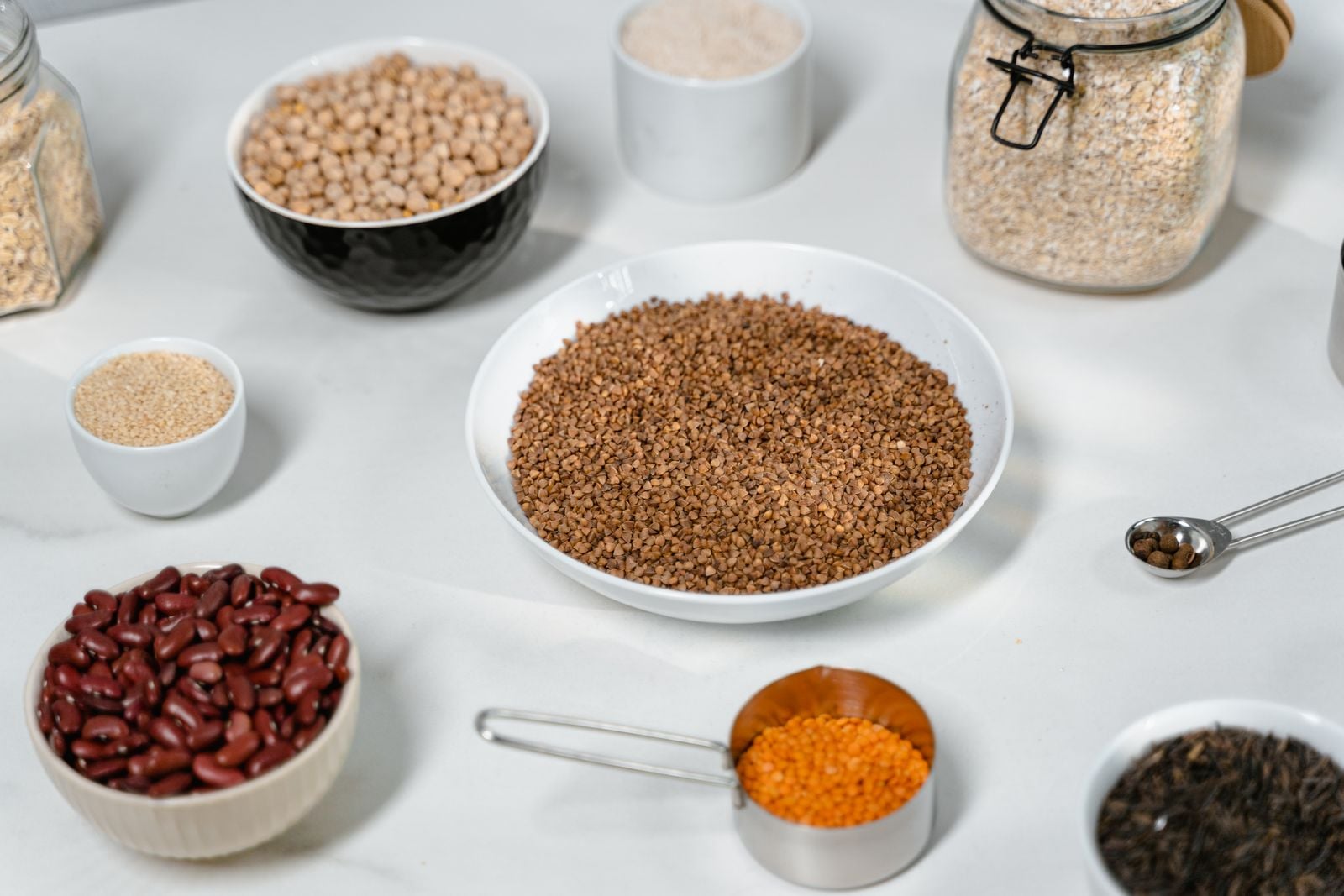
These versatile legumes serve as an exceptional plant‑based source of clean protein and dense dietary fiber for older adults. They cost very little but provide an incredible amount of long‑lasting satiety, keeping your appetite in perfect balance. Nature Food research on longevity notes that shifting toward dietary patterns higher in legumes can meaningfully increase life expectancy and lower disease risk.
They also contain a wide variety of trace minerals, such as magnesium and iron, that help keep your red blood cells healthy and energized. This helps combat the general fatigue that some individuals experience as their nutrient absorption naturally slows with age. They easily absorb the flavors of whatever spices and herbs you choose to cook with.
Olive oil

Switching your standard cooking oils for high‑quality extra‑virgin olive oil is one of the simplest ways to improve your health. This golden liquid is the centerpiece of Mediterranean‑style eating patterns, which are globally recognized for promoting exceptionally long lifespans.
It contains a unique compound called oleocanthal, which mimics the effects of natural pain relievers, soothing achy, aging joints. This can make a noticeable difference in your comfort levels when walking down stairs or getting up in the morning. The smooth fat also helps your brain retain its structural integrity by protecting neural connections from oxidative stress.
Broccoli
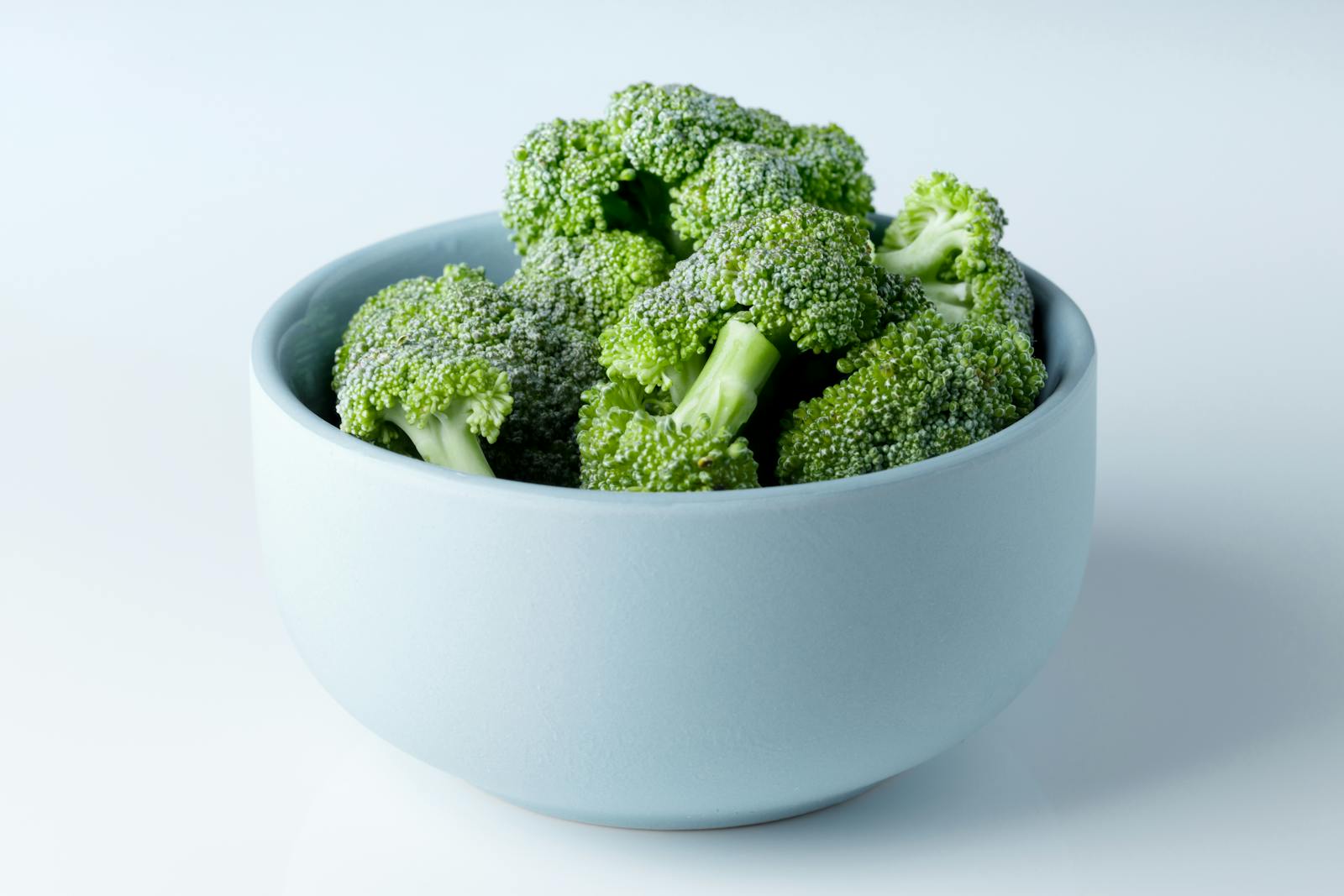
This crunchy green vegetable acts like a shield for your cells because it contains a highly potent compound called sulforaphane. This specific nutrient triggers your liver to clear out environmental toxins and shields your DNA from premature aging and breakdown.
It also provides a substantial amount of vitamin C, which helps your body produce collagen to keep your skin and joints supple. Healthline lists cruciferous vegetables such as broccoli among the top foods to emphasize after 60 because they are rich in fiber, vitamins, and protective plant compounds.
Disclaimer – This list is solely the author’s opinion based on research and publicly available information. It is not intended to be professional advice.
Like our content? Be sure to follow us.