
10 things about child trafficking every parent should know
Child trafficking is often imagined as a distant horror, a news headline from another country. But the reality is far more unsettling: traffickers are exploiting children near homes, schools, and online spaces where parents feel safe.
According to the United Nations Office on Drugs and Crime, detected trafficking victims rose by about 25% between 2019 and 2022. Children make up an increasing share of victims, and traffickers use subtle, everyday pathways to manipulate and control. Here’s what every parent should know.
Child trafficking is surging, not shrinking
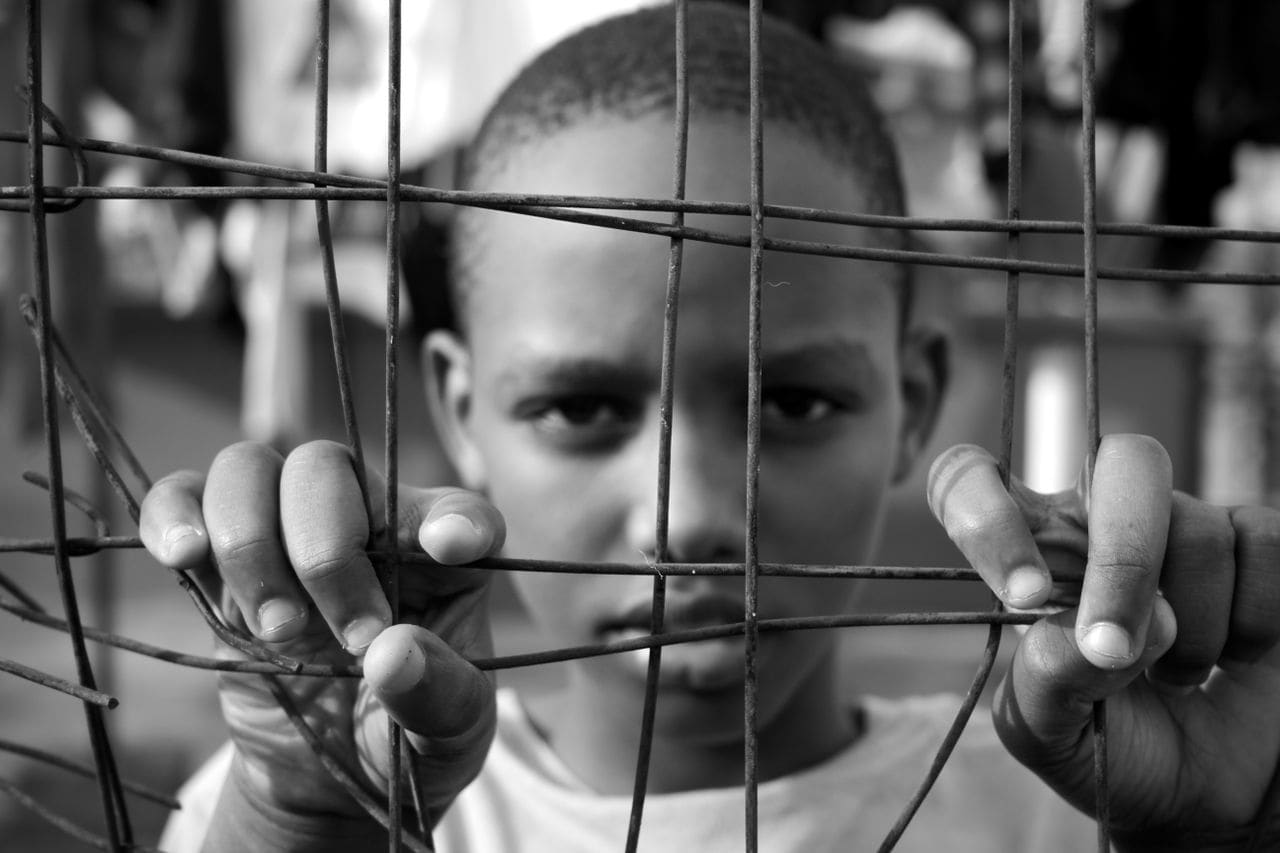
Global reports reveal that trafficking is rising faster than most people realize. UNODC’s 2024 Global Report on Trafficking in Persons found a 25% increase in detected trafficking victims in 2022 compared to 2019, with children now representing 38% of all detected victims.
Girls specifically accounted for a 38% rise in cases. Conflict, climate disasters, and economic crises are creating conditions that traffickers exploit, meaning no community is immune.
This is not a rare horror story. It’s an expanding market for children’s labor and bodies, affecting ordinary families in ways most parents never expect.
Trafficking isn’t only sexual exploitation
While sexual abuse gets the most media attention, children are trafficked for multiple forms of exploitation. About 45% of detected boys are forced into labor, while 47% are trafficked for criminality or begging.
Girls still face the highest rates of sexual exploitation, but both sexes can be coerced into pornography, drug sales, or forced begging. Any situation where someone profits by controlling a child through force, fraud, or coercion qualifies as trafficking.
Parents should understand that trafficking isn’t only about sexualized images or street abduction. It includes any exploitation of a child’s body, labor, or online presence.
Most traffickers are familiar faces

Contrary to the “stranger danger” myth, most traffickers are people children already know and trust. Family members, teachers, coaches, clergy, peers, and community leaders often have the access and credibility to groom victims. Clinical reviews confirm that recruitment often happens in homes, schools, residential care facilities, and online spaces; not via abductions from the streets.
Familiarity is one of a trafficker’s strongest tools, making it harder for parents to detect danger.
Vulnerable kids are targeted early

Children with prior trauma or challenging circumstances are at higher risk. Factors include prior abuse, family violence, foster care, running away, homelessness, LGBTQ+ identity, disabilities, or untreated mental-health issues. NCMEC estimates that roughly one in six “endangered runaways” is likely a sex trafficking victim.
Traffickers “read” these vulnerabilities like predators, exploiting children long before parents may suspect any danger.
Victims are shockingly young

Many parents assume trafficking affects older teens, but global data show entry ages often fall between 12 and 14. Some victims are even younger, with cases reported in elementary school. Children can be coerced into commercial sex, pornography, or forced labor long before the typical “awareness” conversations happen.
By the time many parents consider discussing these risks, exploitation may already have begun.
The internet is a primary hunting ground

Traffickers increasingly use social media, gaming platforms, and messaging apps to groom children. They pose as peers, influencers, or recruiters, offering attention, gifts, or “easy money.” Online exploitation (including sextortion, live-streamed abuse, and fraud) has risen sharply, from about 1% of detected victims in 2016 to 8% in 2022.
Focusing only on physical abduction leaves parents vulnerable to the online pathways traffickers exploit.
Red flags often mimic normal teen behavior

Signs of trafficking (mood swings, anxiety, depression, self-harm, substance use, secrecy, unexplained gifts, or older friends) can look like typical adolescent challenges. Experts emphasize that patterns and combinations of behaviors, rather than single incidents, should trigger concern.
Trusting parental instincts when “something feels off” is essential for early intervention.
Many victims are criminalized instead of protected
Even when recognized as victims, children can face arrest for prostitution, theft, or other offenses while traffickers escape accountability. Only about half of U.S. states have effective “safe harbor” laws, leaving trafficked youth at risk of juvenile records, fines, and stigma.
This creates a double victimization: first exploited, then penalized for circumstances beyond their control.
Trafficking happens everywhere, not just in “hotspots”

Trafficking isn’t confined to foreign countries or major cities. Reports show children are exploited in suburbs, small towns, tourist areas, and online communities. High-income countries report substantial domestic trafficking, often overlooked in mainstream coverage.
The illusion that trafficking is “over there” endangers children in familiar places.
Awareness is necessary, but action is critical
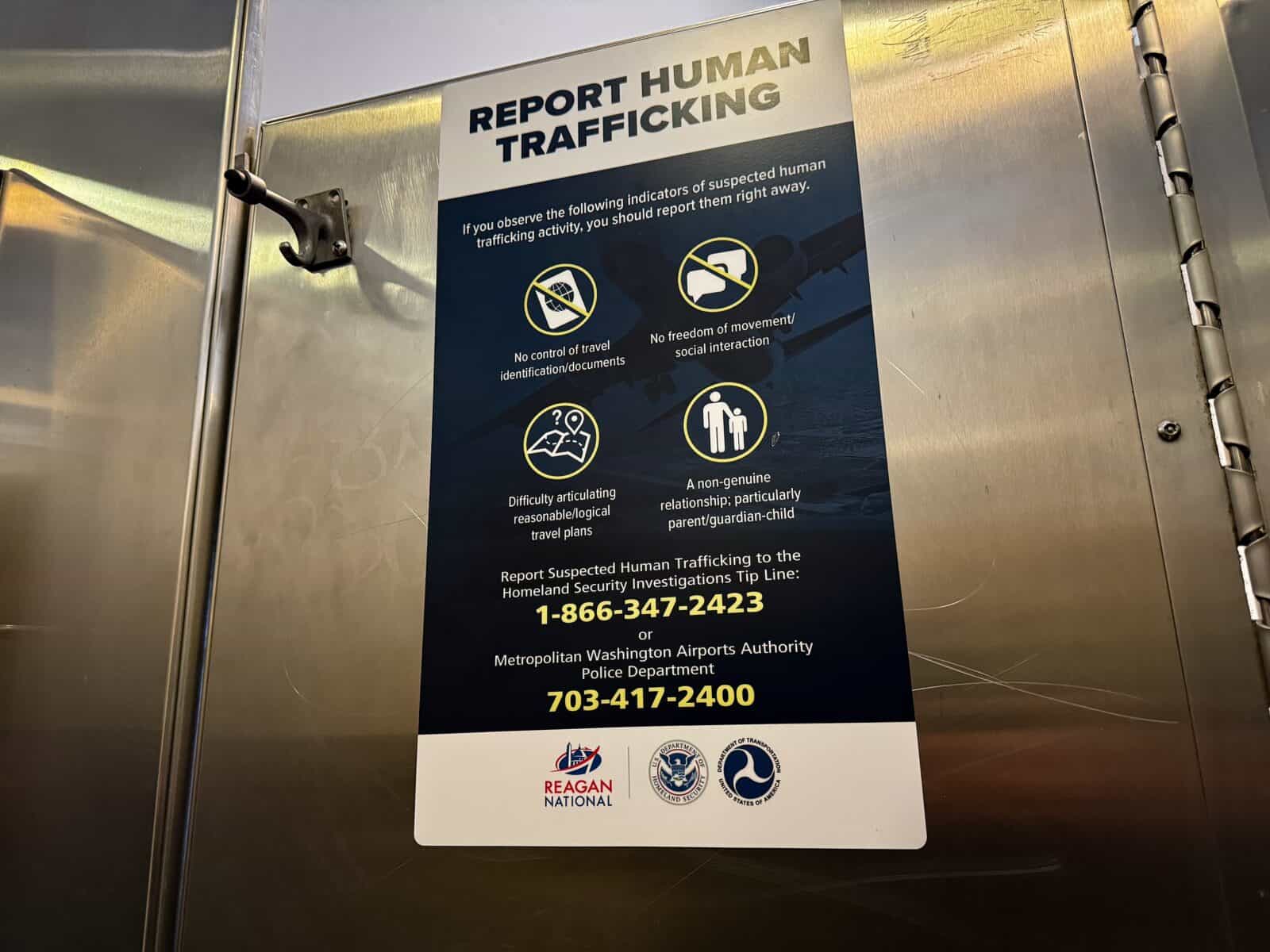
Experts urge parents to translate awareness into concrete prevention: having age-appropriate discussions about consent and boundaries, monitoring online contacts, and knowing how to report concerns. Resources include national hotlines, child protection services, and specialized reporting portals.
Being proactive gives children tools to resist coercion before it escalates.
Key Takeaway
Child trafficking is closer, more normalized, and more diverse than most families realize. From familiar adults to online manipulation, early targeting of vulnerable youth, and systemic gaps in protection, the risks are everywhere.
Awareness alone is not enough. Parents must combine vigilance, education, and concrete safety plans to protect children from this rising global threat.
Disclaimer – This list is solely the author’s opinion based on research and publicly available information. It is not intended to be professional advice.
Like our content? Be sure to follow us







_Attribution_Unk_(RESTORED)_(4110877417).jpg)
