11 Foods Real Cowboys Actually Ate in the Old West
The cowboy diet was not the steak-and-whiskey feast Hollywood loves to show.
Real cowboys on long cattle drives ate food that had to survive dust, heat, rain, rough roads, and long days in the saddle. Their meals were built around one simple question: Can this food travel for weeks without spoiling?
That meant the chuckwagon was less like a restaurant and more like a moving survival kitchen. It carried the ingredients that could be stored, stretched, cooked over fire, and turned into meals for hungry men who had spent the day driving cattle across open land.
The cook, often called “Cookie,” was one of the most important people on the trail. He had to feed the crew with limited supplies, unpredictable weather, and no refrigerator. If he did his job well, the cowboys had hot coffee, beans, bread, gravy, and maybe a stew waiting at the end of a brutal day.
The food was simple, but it was not weak. It was tough food for a tough life.
Coffee Was the Campfire King
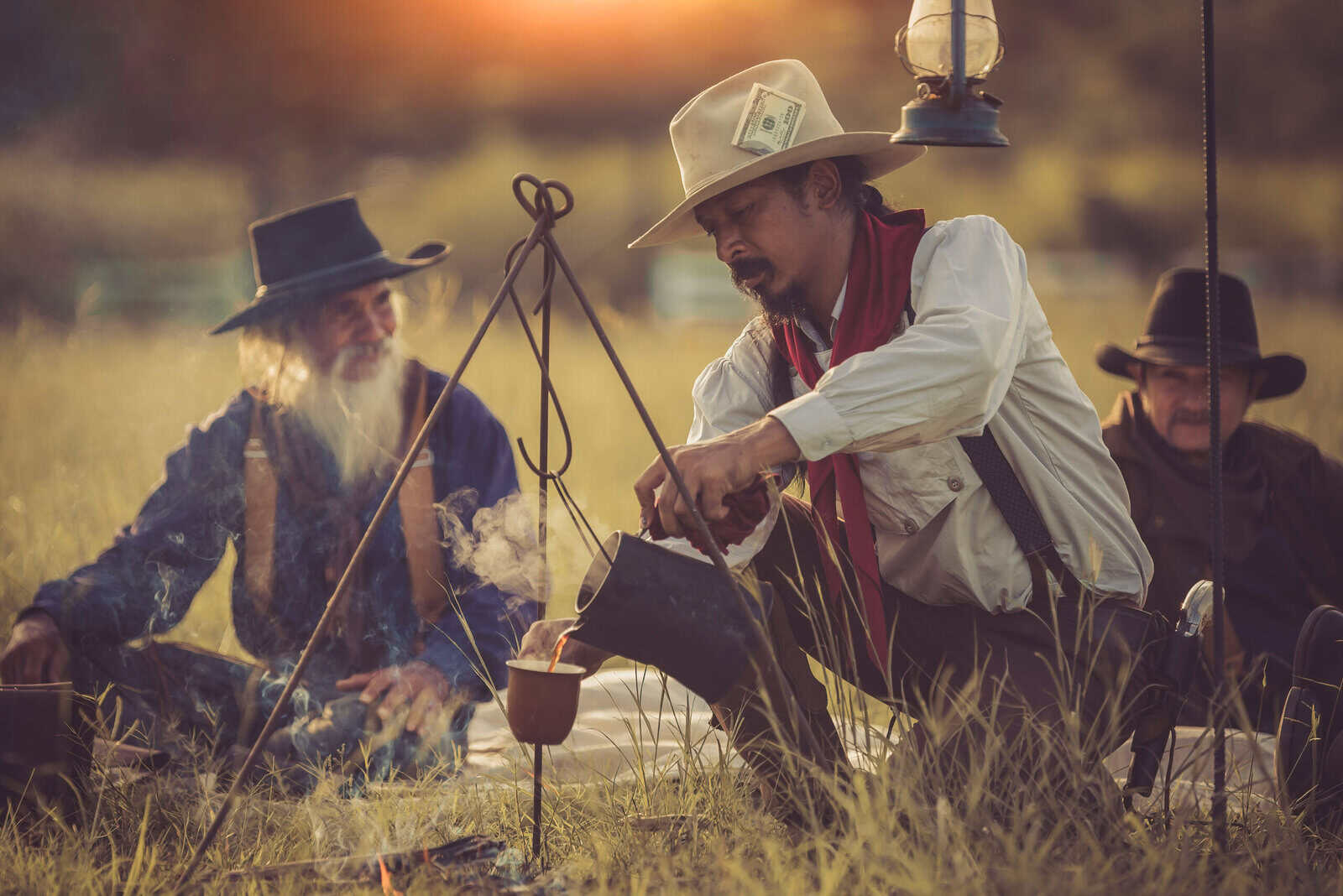
Coffee may have been the closest thing cowboys had to a daily luxury.
In a cowboy camp, coffee was usually the first thing placed on the fire in the morning and the last thing taken off at night. It was strong, hot, and constant. Cowboys drank it with meals because there were not many other options.
Water could be questionable. Milk did not travel well. Alcohol was often banned by smart trail bosses who needed their men alert, calm, and ready to react fast.
So coffee became the fuel of the cattle drive.
Cowboy coffee was made in a rough but practical way. Grounds were boiled in a pot, then cold water was added to help settle the grounds. It was not a fancy pour-over. No foam. No flavored syrup. No cute lid.
Just coffee strong enough to wake a man before sunrise and keep him moving through dust, heat, and danger.
Arbuckle coffee became one of the famous brands of the Old West. Its beans were glazed with sugar and egg, which helped protect them and keep them fresh longer. For cowboys, that mattered. A bag of beans had to last through the trail, not sit pretty on a shelf.
Salt Pork Did the Heavy Lifting
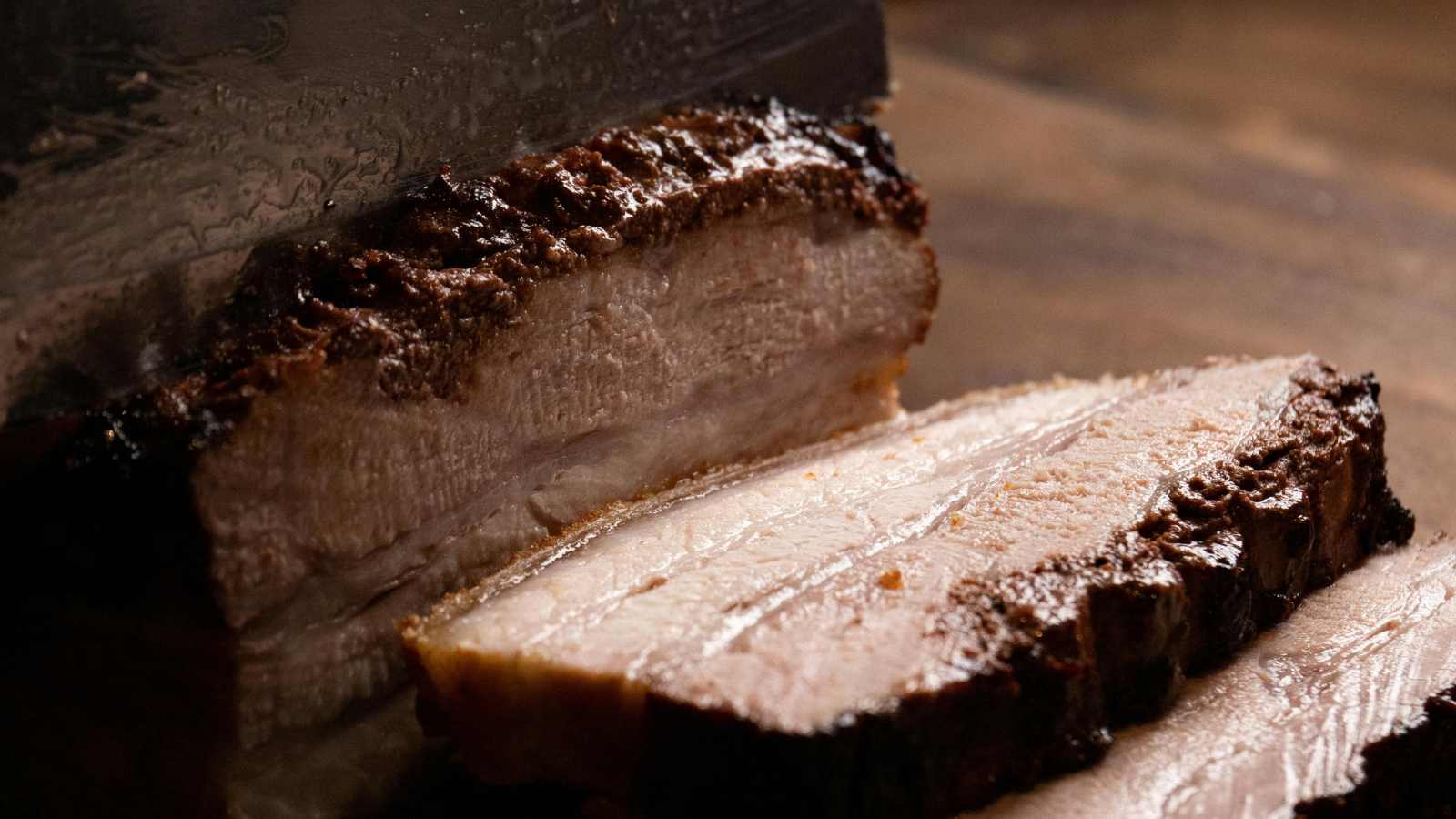
Cowboys did not usually eat fresh beef, even though they were surrounded by cattle.
That surprises many people, but it makes sense. The cattle were the product. They belonged to the boss and were being driven to market. Killing one for dinner meant cutting into the profits.
So, cowboys relied on preserved meat, and salt pork was one of the most important staples.
Salt pork was fatty pork cured with salt so it could last without refrigeration. They called it names like sowbelly, and it served many purposes. It gave meals flavor, fat, salt, and protein.
It was tough and very salty, so Cookie often had to soak it before cooking. After that, it could be fried, boiled, stewed, or added to beans.
Salt pork was not there because it was glamorous. It was there because it worked. It could survive the trail, feed tired men, and turn plain food into something worth eating.
Lard was the trail butter

The fat from salt pork may have been even more useful than the meat itself.
Rendered pork fat, often called lard, was the cooking oil of the trail. Cowboys also called it Texas brand butter, which sounds like a joke, but tells you how important it was.
Cookie used lard to fry potatoes, cook beans, make gravy, bake biscuits, prepare cornbread, and give flavor to almost anything in a skillet, as noted by EBSCO.
Without lard, cowboy food would have been much drier and duller.
One of its biggest uses was gravy, often called “sop.” After frying pork, Cookie could mix flour into the leftover fat and juices, cook it into a paste, then thin it with water. That simple gravy made dry bread softer, beans richer, and meat easier to eat.
On the trail, gravy was not a decoration. It was a rescue.
Beans Were the Backbone of the Trail
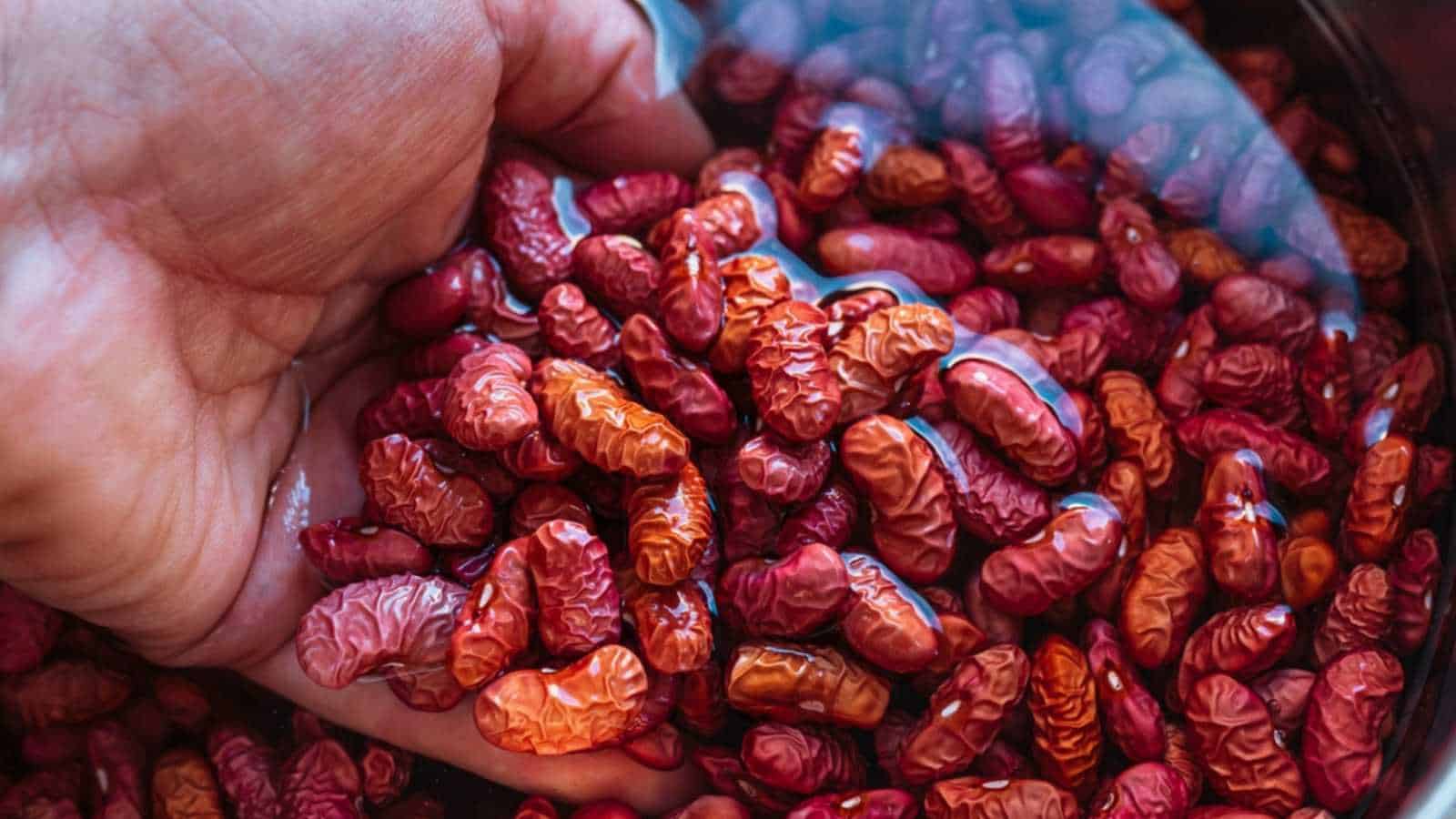
If coffee was the campfire king, beans were the backbone.
According to History Hit, dried beans were cheap, light, filling, and easy to carry. They did not spoil quickly, and they gave the cowboys protein and fiber. For a cook feeding a hungry crew, that made them almost perfect.
Beans could be soaked, boiled, seasoned with salt pork, and served in big portions. They filled the stomach and kept men going.
Cowboys had slang for beans too. One funny name was “whistle-berries,” a clear nod to the side effect most people politely avoid discussing.
Still, beans earned their place. They were simple, steady, and dependable.
Many Americans now think of beans as budget food, but that is exactly why they mattered on the trail. Real Cowboys needed food that could feed many people without wasting space or money.
Beans did that job beautifully.
Bread Made Every Meal Feel Complete

A cowboy who got bread with every meal was probably being fed well.
Bread made camp food more satisfying. It could soak up gravy, scoop up beans, and add bulk to the plate. Cookie usually relied on flour and cornmeal to make different kinds of bread.
Wheat flour could become biscuits, pancakes, quick breads, pie crusts, or camp bread. Cornmeal could become cornbread, johnnycakes, or fried cornmeal patties called corn dodgers.
Cast iron made all of this possible.
Dutch ovens, skillets, and griddles were perfect for cooking over fire and coals. A Dutch oven could bake bread almost like a regular oven. Coals went underneath and on top, helping the bread cook evenly.
This was not fancy baking, but it was smart baking.
A hot biscuit after a long day could feel like comfort in a place that offered very little softness.
Sourdough Starter Was Almost Sacred

Cowboy cooks also carried sourdough starter, and they protected it like treasure.
A sourdough starter helped make bread, biscuits, and pancakes without needing fresh milk or buttermilk. That was a big deal because refrigeration did not exist on the trail.
The starter could last a long time if it was cared for properly. Some accounts say cooks even slept with it during cold nights to keep it warm enough.
That may sound dramatic, but it shows how serious trail cooking was.
If the starter died, the bread suffered. If the bread suffered, the cowboys noticed.
Cookie controlled the food area, and cowboys were expected to respect it. They did not ride horses into camp and kick up dust near the chuckwagon. They waited until Cookie called them. They helped clean their dishes.
The cook had rules because food safety and food quality mattered. Out on the trail, a careless mistake could ruin supplies.
Stews and Chili Stretched Everything
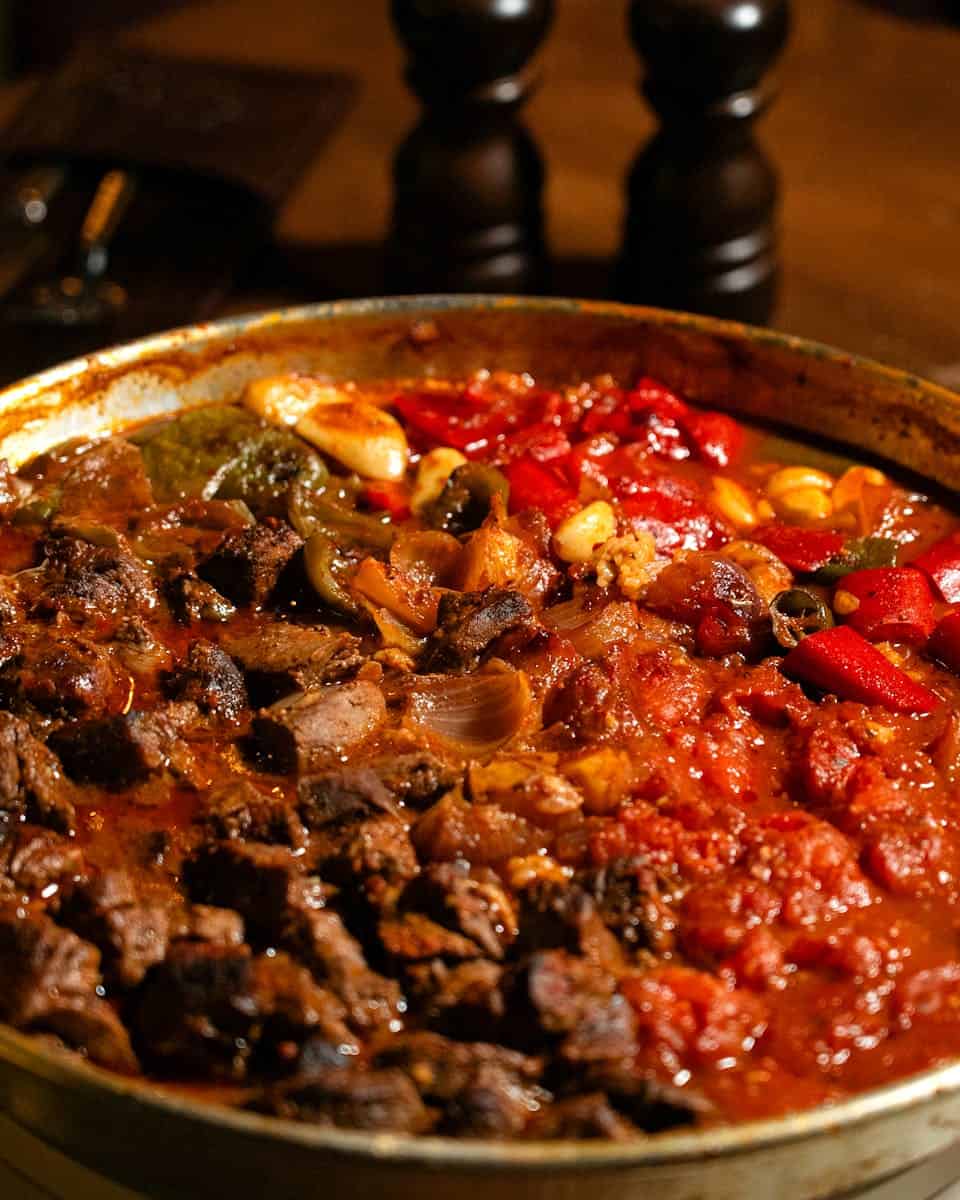
Trail life was unpredictable, so Cookie had to be flexible.
Weather could turn fast. Supplies could get wet. Food could run low. A chuckwagon could even tip over. In those moments, stews and chili became lifesavers.
A stew could stretch small amounts of meat, beans, vegetables, and grain into a filling meal. It could also soften tough cuts of meat that would be hard to chew any other way.
Chili had a strong Mexican influence, especially in Texas cattle country. Mexican cooks and vaqueros shaped much of what people now think of as cowboy food.
Chili peppers added flavor, but they may have also helped preserve food in a rough camp setting. Long simmering made tough ingredients easier to eat, while spice gave plain meals some life.
After a hard day riding behind cattle, a hot bowl of chili would have tasted like victory.
Wild Game Added Surprise to the Menu
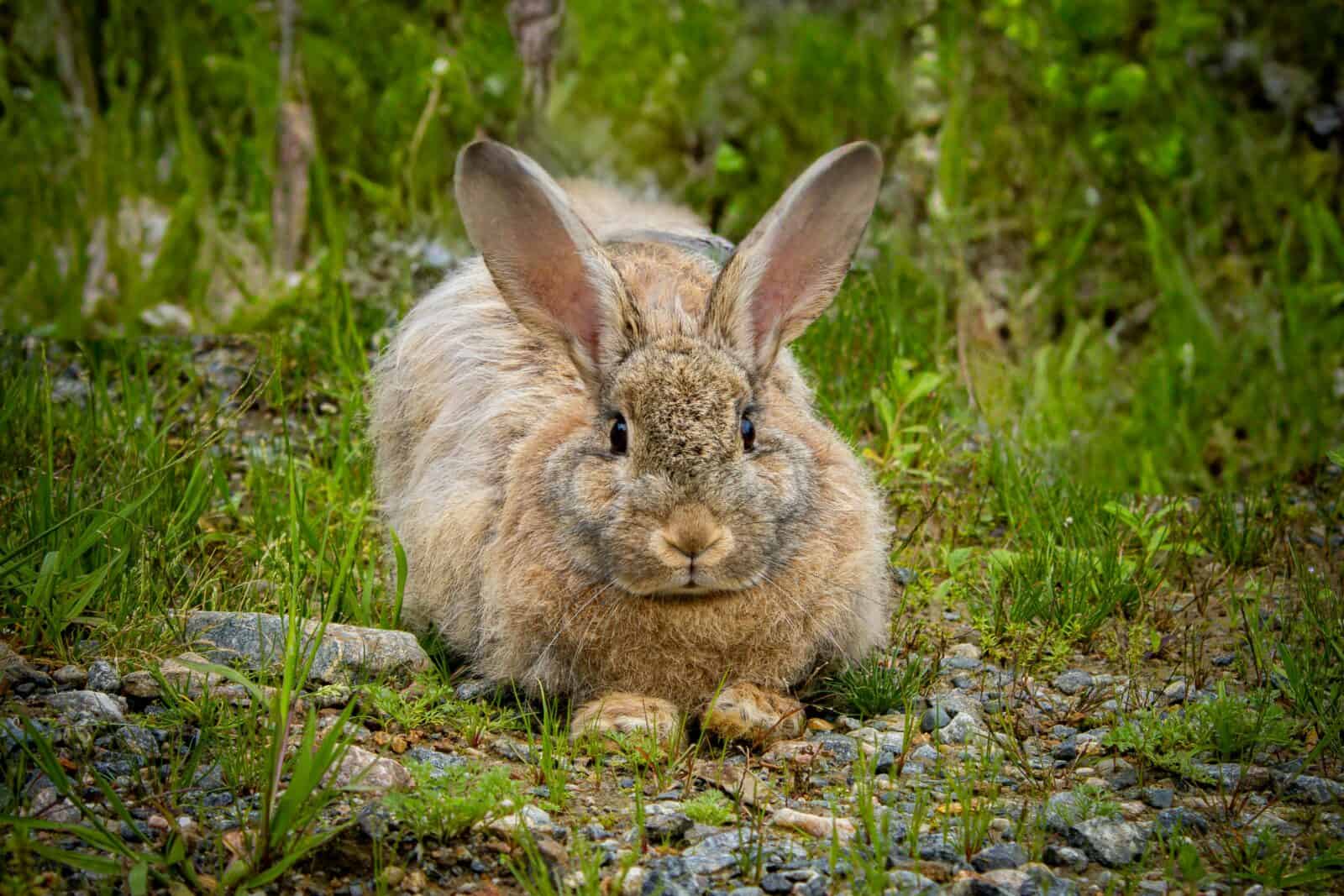
Cowboys did not always know what fresh meat they would get.
Because they were not supposed to eat the cattle, wild game could become a welcome change when available. Depending on the area and luck, camp might get deer, rabbit, wild birds, or other game.
This was not guaranteed food. It depended on the land, the timing, and the skill of anyone hunting or foraging.
That made it special.
Most days, the menu leaned on the same dependable staples: coffee, beans, pork, bread, gravy, and stew. But a little wild game could break the routine and make camp feel lucky.
Cowboy Food Was Built for Survival
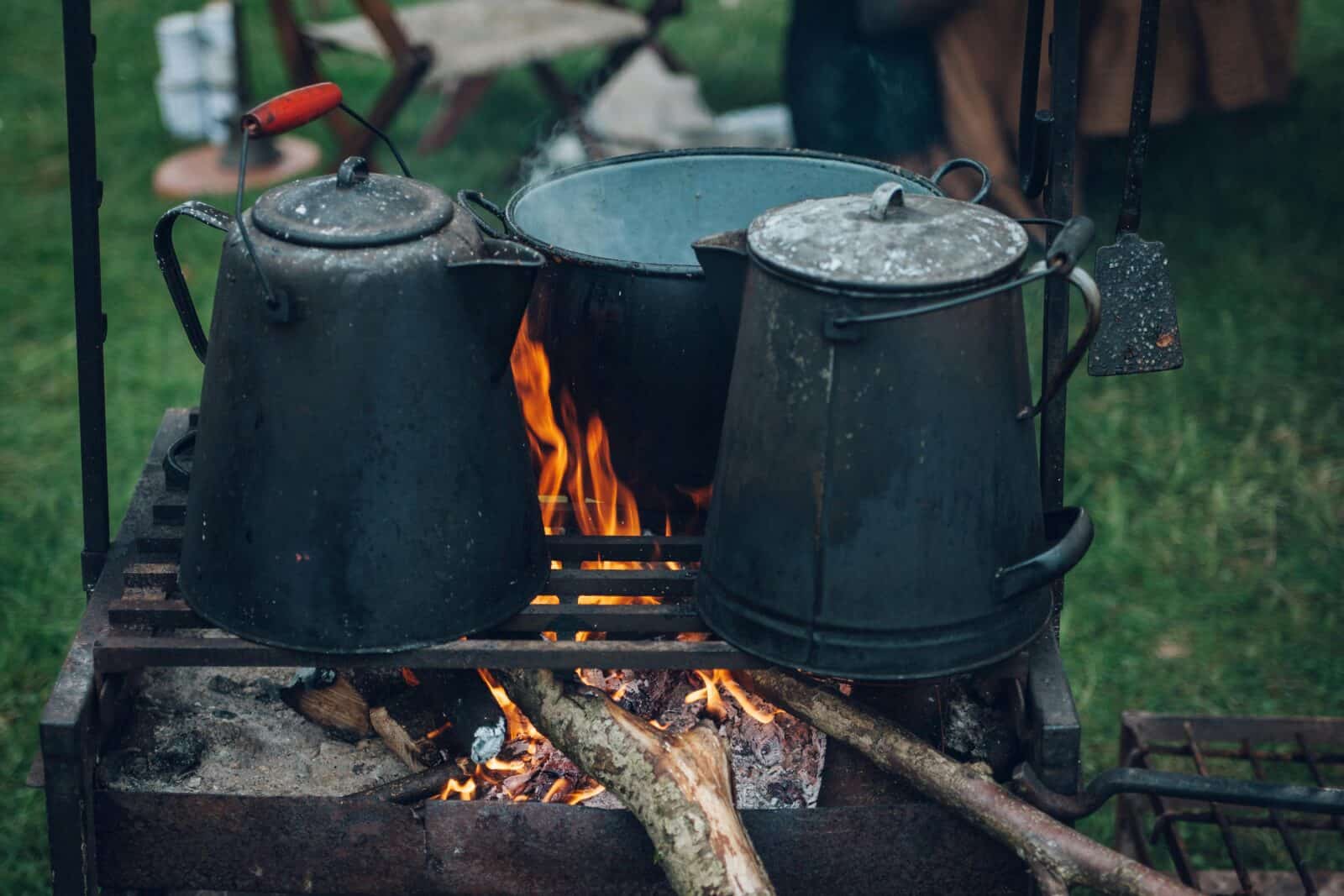
The real cowboy diet was not romantic in the way movies suggest.
It was practical. It was repetitive. It was salty, smoky, starchy, and filling. It was made from food that could survive long trips and feed men who worked from before sunrise until after dark.
Still, there is something powerful about it.
Cowboy food tells us that good cooking does not always begin with expensive ingredients. Sometimes it begins with limits. A bag of beans. A slab of salt pork. A pot of coffee. A sourdough starter kept warm through the night.
Cookie had to turn those basics into meals day after day.
That was the real magic of the chuckwagon, invented in 1866 by Mr. Charles Goodnight. It was not luxury. It was skill under pressure.
And long before food trucks became trendy, cowboys had their own rolling kitchen crossing the open range, serving hot coffee, beans, bread, and survival by the plate.
Disclaimer – This list is solely the author’s opinion based on research and publicly available information. It is not intended to be professional advice.
Like our content? Be sure to follow us