12 ways the U.S. is preparing for possible crisis as 200 million face displacement risk
Losing an ancestral home to a rising sea with absolutely nowhere to run is a terrifying reality for millions.
According to the United Nations, extreme weather could force over 200 million people from their homes by 2050. The World Bank warns that up to 216 million people could be internally displaced under pessimistic conditions.
To tackle this looming global security issue, the United States is quietly rolling out billions of dollars to harden infrastructure and handle massive demographic shifts.
The reality is already biting hard, with UNHCR estimates showing an average of 21.5 million people displaced annually by storms and floods since 2008. Over 90 percent of global refugees originate from countries highly vulnerable to climate change.
As Prof. Maarten van Aalst of the Red Cross Climate Center warns, this is a worsening humanitarian reality.
Upgrading weather supercomputers for micro-level accuracy

Predicting a storm early is the easiest way to save thousands of lives. The National Oceanic and Atmospheric Administration recently boosted its weather supercomputing capacity by 20%.
Its twin systems, Cactus and Dogwood, can run 29 quadrillion calculations per second. Each machine cranks out data at a lightning-fast 14.5 petaflops.
Another $99.3 million is going into a new supercomputer named Rhea to expand research on artificial intelligence and weather modeling. This tech lets scientists run complex models to predict flash floods and intense wildfires long before they hit. National Weather Service Director Ken Graham notes that this extreme computing power delivers highly accurate forecasts that protect lives.
Hardening military bases as critical defense hubs

Extreme weather is hitting national defense infrastructure directly in the wallet. In 2018, Hurricane Michael slammed Florida’s Tyndall Air Force Base, causing nearly $5 billion in damages.
Now, engineers are rebuilding the entire site as a resilient “installation of the future.” New buildings are elevated 14 to 19 feet above sea level and engineered to survive 150-180 mph winds.
Using manmade oyster reefs to break waves naturally protects vulnerable coastal shorelines. Air Force Civil Engineer Col. Robert Bartlow calls it a first-of-its-kind project built atop an active flying mission.
Restructuring the federal flood insurance system
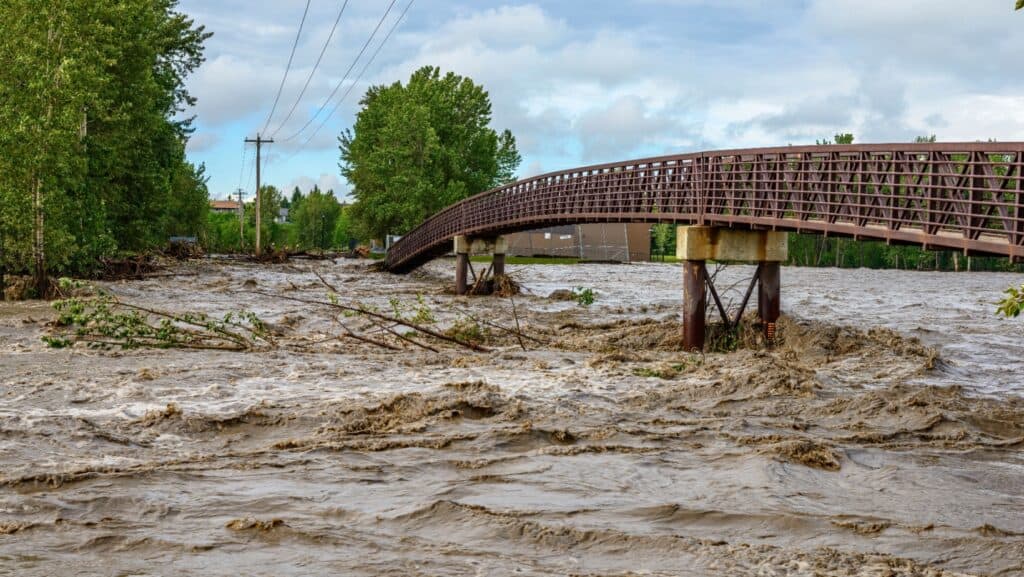
The national insurance pool has been leaking cash for decades. Historically, the National Flood Insurance Program collected $60 billion in premiums but paid out $96 billion in claims.
This deficit forced the program to borrow $36.5 billion from the U.S. Treasury. To fix the gap, FEMA rolled out a new pricing system called Risk Rating 2.0.
Now, rates are priced on a home’s individual flood risk and rebuilding cost, rather than outdated maps. While 96% of policyholders see modest changes, high-risk, expensive properties face major rate increases capped at 18% per year. The median annual premium of $689 must eventually rise to $1,288 to achieve true actuarial balance.
Investing in the massive Galveston Bay seawall

Protecting America’s energy and shipping capital requires colossal civil engineering projects. Congress authorized a massive $31 billion coastal barrier system nicknamed the “Ike Dike.“
Due to inflation and rising building costs, the broader Coastal Texas Project is now estimated at $57 billion. The plan features huge navigable gates, sand dunes, and ecosystem restoration across hundreds of miles of coast.
Building the gate system alone will take 18 years and eat up $16 billion. An Army Corps spokesperson defended the project, noting that the cost pales in comparison to the devastation of a direct hit by a massive hurricane.
Hardening the national electric grid against storms
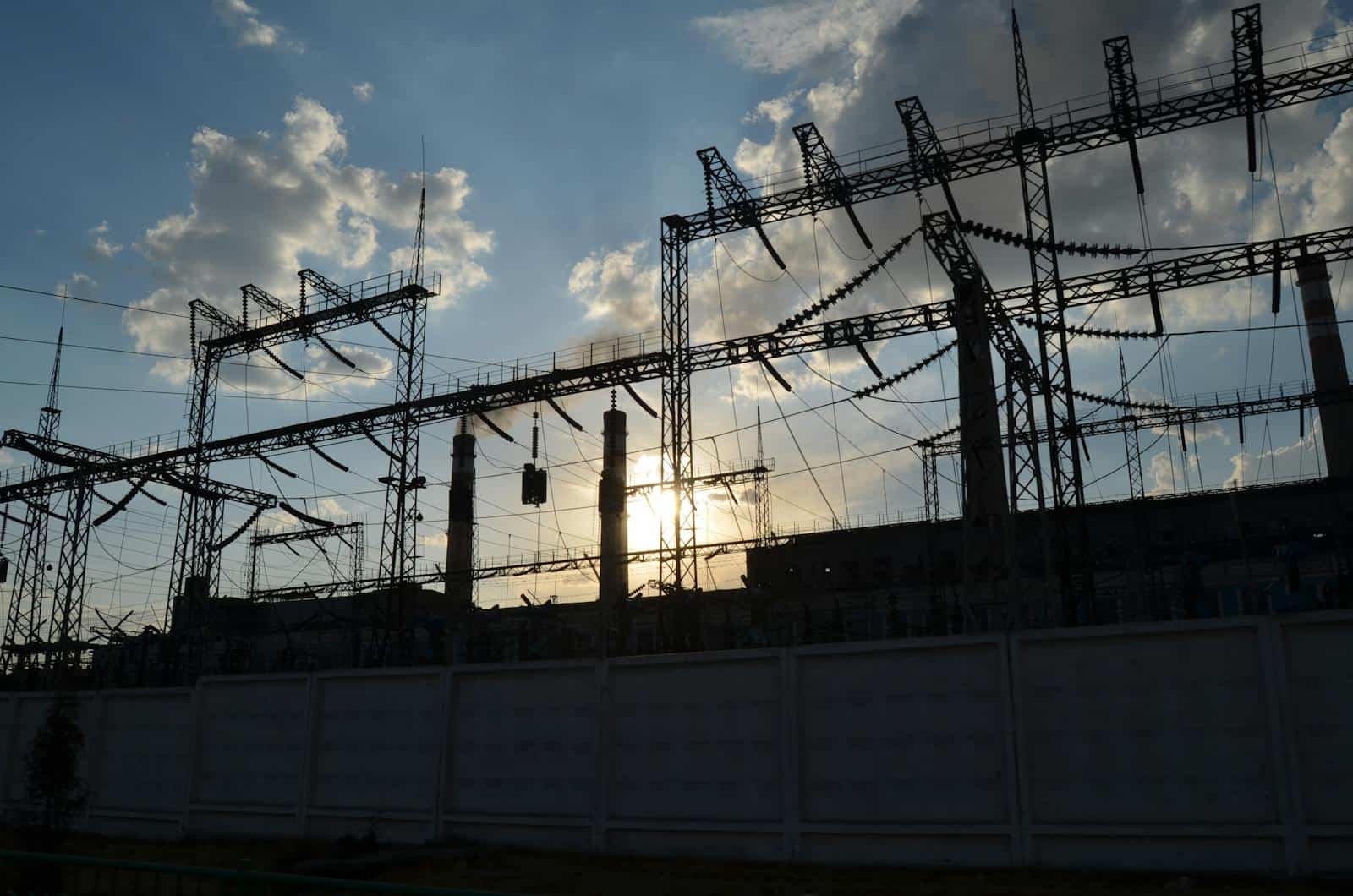
When severe weather strikes, an old power grid is a major liability. The Department of Energy is managing a $10.5 billion program to upgrade the country’s power network.
Through the Grid Resilience and Innovation Partnerships (GRIP) program, officials are funding transformational technology. After Hurricanes Helene and Milton, over $600 million was quickly deployed to upgrade lines and install self-healing devices. These smart tools help grid operators pinpoint outages and restore power to millions of customers in record time.
Buying time for the parched Colorado River
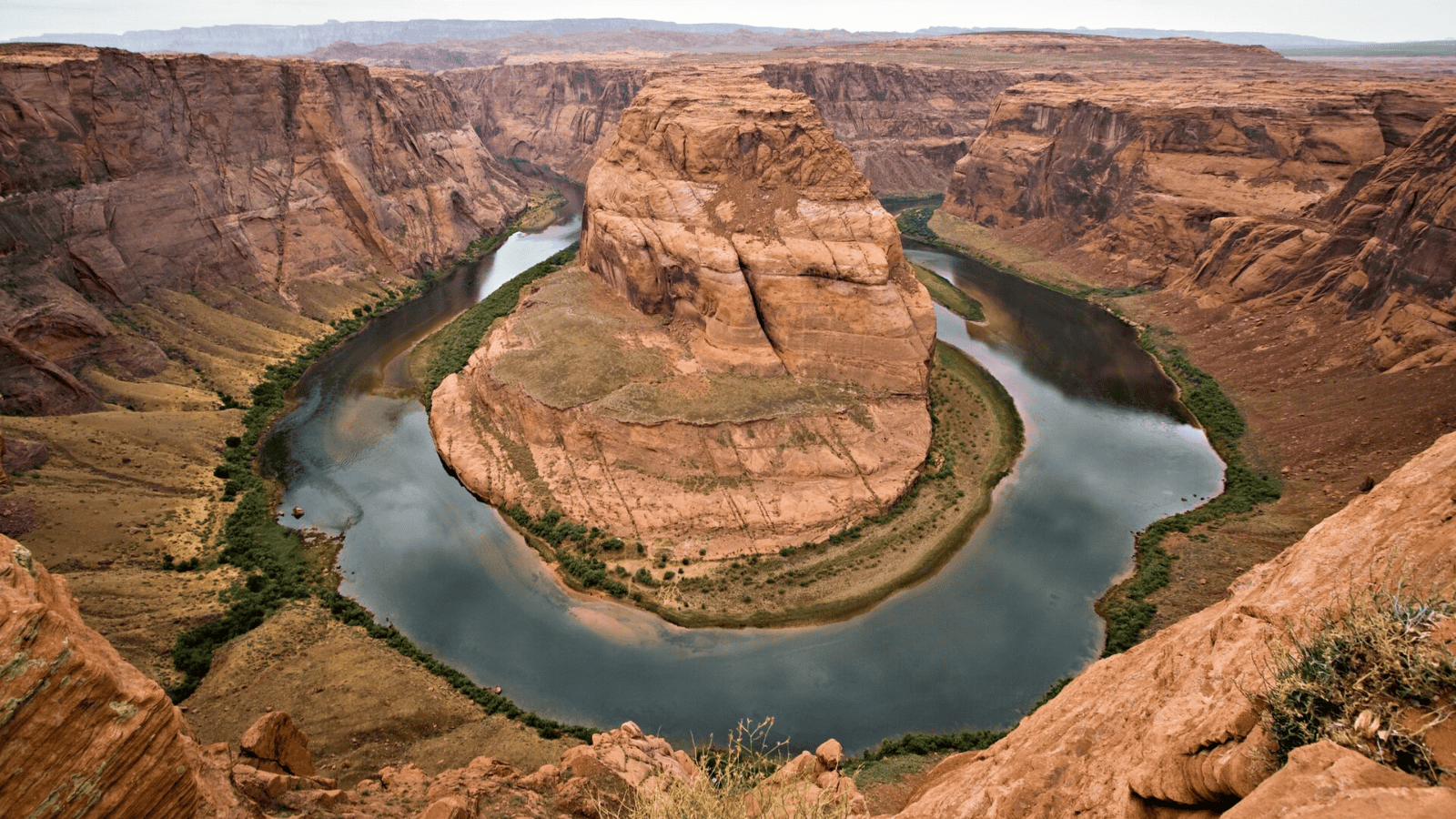
Forty million residents depend on the Colorado River for drinking water and electricity. Severe drought has pushed major reservoirs like Lake Mead dangerously close to “dead pool” levels.
To avoid a collapse, Arizona, California, and Nevada agreed to save 3 million acre-feet of water through 2026. In exchange, the federal government is providing $1.2 billion in compensation to local irrigation districts.
This funding comes directly from the Inflation Reduction Act to pay farmers for using less water. Reclamation Commissioner Camille Touton hailed the deal as a critical, cooperative step toward keeping the basin stable.
Funding community-driven relocations for vulnerable tribes

Some remote Native villages are actively sliding into the sea due to melting permafrost. The Department of the Interior launched a community-driven relocation program with a $135 million commitment.
Three severely impacted tribes are receiving $25 million each to relocate to higher, safer ground. Newtok Village in Alaska is losing up to 70 feet of land per year to aggressive storm erosion.
Moving entire tribal communities uphill requires millions, with some plans estimated to top $100 million. Denali Commission Federal Co-Chair Garrett Boyle noted this critical funding builds on past resilience efforts to support villages in extreme peril.
Managing retreat through voluntary home buyouts

Sometimes, the most logical response to flood risk is simply leaving empty space. Since the late 1980s, FEMA has funded more than 40,000 property buyouts across 49 states.
Local governments buy flooded homes and permanently restore the land to open, natural green spaces.
While a highly effective way to mitigate disaster risk, the average buyout takes over five agonizing years to finish. Socioeconomic studies reveal that while wealthy counties organize more buyouts, the actual properties purchased are clustered in lower-income areas.
As researcher Katharine Mach notes, these programs highlight the deep challenges of organizing an equitable managed retreat.
Launching first-of-its-kind planned community resettlements

Relocating single families is tough, but moving a whole town together is next-level hard. The U.S. successfully engineered its first comprehensive, federally funded community resettlement for Isle de Jean Charles, Louisiana.
HUD backed the project with a $48.3 million grant to build a new resilient village in Schriever, Louisiana. The island had suffered from severe land loss due to decades of wetland erosion and subsidence.
Residents faced the heartbreaking reality of leaving behind their historic, ancestral way of life. As an island resident, Brunet beautifully put it, the deep connection to the land cannot easily be translated into words.
Planting urban forests to battle sweltering heat

Extreme heat is a silent killer, and city pavements act like giant heat sponges. Cities are often one to seven degrees warmer than rural areas due to the “urban heat island” effect.
To fight back, the USDA Forest Service is pouring $1.5 billion into its Urban and Community Forestry Program.
On a sunny day, the natural cooling power of just one mature tree equals ten running air conditioners. The program prioritizes planting trees in underserved, nature-deprived neighborhoods to prevent heat-related injuries. Senator Cory Booker points out that investing in trees cleans the air, reduces flooding, and slashes energy bills for families.
Funding global adaptation to manage migration pressures

Preventing a massive influx of international refugees means building stability in vulnerable countries. President Biden launched the PREPARE plan to help more than half a billion people adapt to climate shifts.
The U.S. is scaling up international adaptation finance, pledging $3 billion annually. The plan integrates climate intelligence into farming, access to clean water, and infrastructure in developing nations. By building local resilience, the program tackles the secondary issues of climate change, including displacement. Investing in global adaptation is a proven way to protect security and lower the need for future emergency aid.
Organizing and coordinating policies for climate-displaced people

Right now, neither international nor domestic laws protect people fleeing climate disasters. Modern refugee laws do not recognize environmental devastation as legal grounds for asylum. To address this legal void, experts recommend establishing a standing interagency policy process on Climate Change and Migration.
Advocates also urge the expansion of Temporary Protected Status, which currently provides legal protection to migrants from 12 countries. By streamlining federal coordination, the U.S. hopes to create smart, humane legal pathways before chaos strikes. Organizing these frameworks early will decide if future migration becomes a crisis or an orderly transition.
Key takeaway

The federal response to the threat of 200 million displaced people is a sweeping, multi-billion-dollar effort to harden grid networks, buy out high-risk properties, and reconstruct infrastructure for future climate realities. While these programs show massive administrative scale, challenges like long delays in buyouts and massive water-rights renegotiations highlight how tough the transition will be.
Disclaimer – This list is solely the author’s opinion based on research and publicly available information. It is not intended to be professional advice.
Like our content? Be sure to follow us