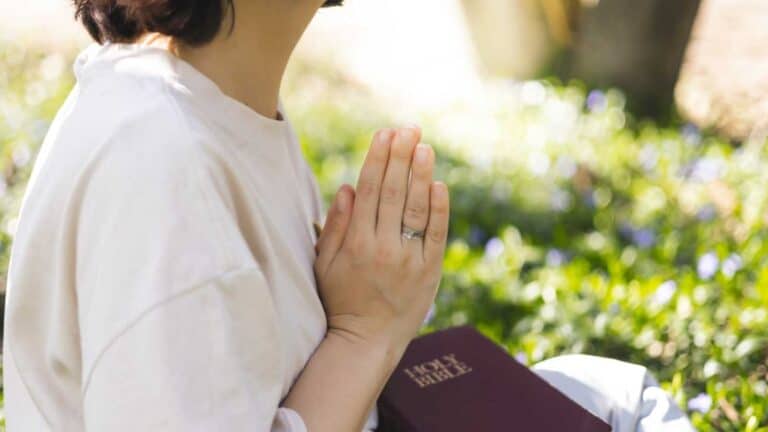
Why only 5% of people attend church and what it means for Christianity
Getting out of bed on Sunday morning just isn’t happening for the vast majority of Americans anymore. For years, traditional surveys claimed that about 20% to 30% of the country regularly attended weekly services. But a massive study tracking actual cell phone data dropped a total bombshell on those numbers.
It turns out that only a tiny 5% of Americans actually show up to a house of worship on any given week, according to a University of Chicago study. That is a wild gap between what people say and what they actually do. This quiet exodus is completely reshaping the future of faith in the United States.
The smartphone data doesn’t lie

People might tell pollsters they go to church, but their location history paints a completely different picture. University of Chicago economist Devin Pope tracked the anonymized GPS data of 2.1 million smartphones to see who actually sat in the pews. The results showed that only 5% of Americans attended weekly services consistently.
Even when adjusting for groups like Orthodox Jews or the Amish who leave phones at home, the number barely creeps up to 6%. Church leaders often note that nobody lies about going to events they truly love, like a major concert. Yet when Sunday morning rolls around, social pressure makes people pretend they went.
Geography dictates the empty pews
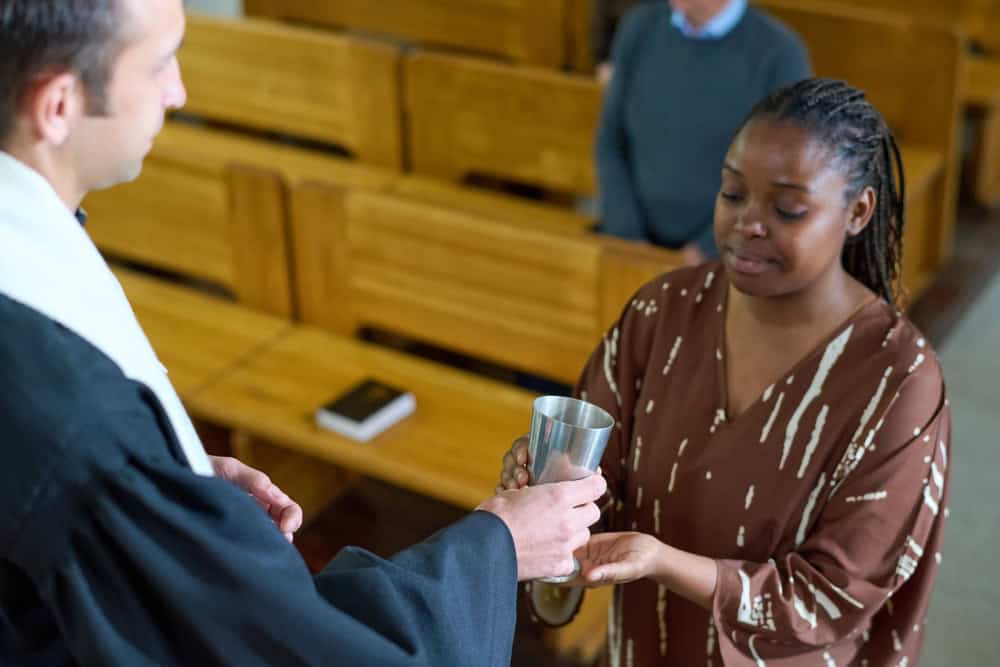
Where someone lives in the United States heavily predicts whether they will spend Sunday in a pew. The South still holds onto some of its traditional roots, but even there, actual attendance is incredibly low. For example, regular weekly attendance hovers at 8.6% in Tennessee and drops to 6.4% in Kentucky.
Meanwhile, Utah leads the country with an actual attendance rate of 11.8%. On the opposite end of the spectrum, Vermont sits at a nearly invisible 0.7%. Clearly, regional culture strongly influences these local attendance habits.
Sects and denominations are experiencing different realities
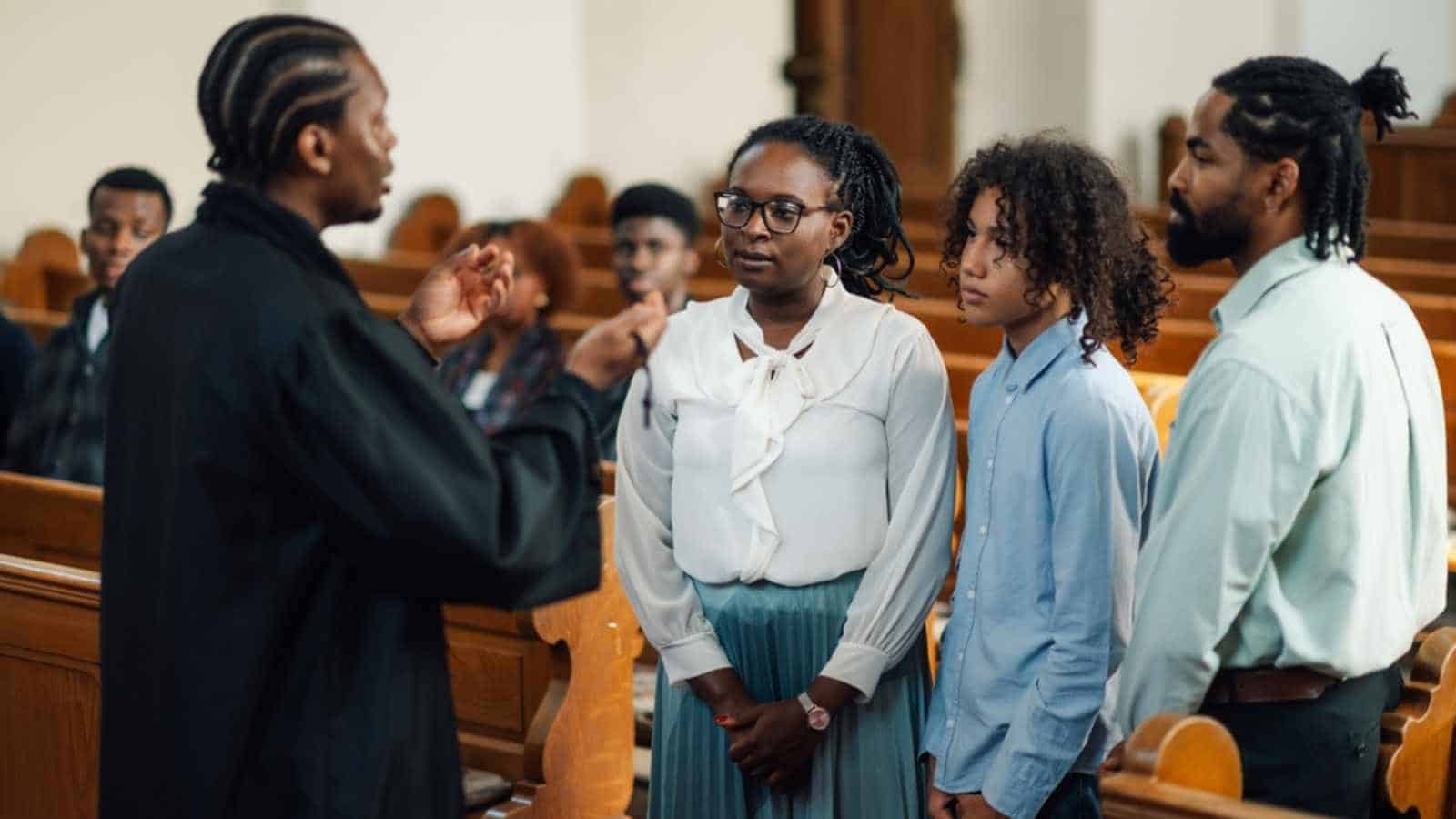
Not every religious group is losing its crowd at the exact same speed. According to the smartphone data, Mormons lead the pack with a 15% weekly attendance rate. Protestants and Jehovah’s Witnesses follow behind at about 7%.
Catholics face a much steeper slide, with actual weekly Mass attendance sitting at just 2%. Political scientist Ryan Burge points out that many people still love the symbolic idea of religion. However, they simply do not actually go to worship anymore.
The rise of the spiritual nones

The biggest cultural shift in decades is the explosive growth of Americans claiming no religion at all. Often called “nones,” this group has skyrocketed from 8% of the population in the 1990s to nearly 30% today. Many people are simply stepping away from the traditional church model entirely.
Pew Research director Alan Cooperman notes that these unaffiliated individuals are not necessarily anti-religious. They are just completely disengaged from formal structures. Once people drop out of the habit, they rarely find a reason to return.
Young people want authenticity over rigid answers

Gen Z is actively rewriting what faith looks like by walking away from organized religion. About 44% of young adults aged 18 to 29 now identify as religiously unaffiliated. They often feel they cannot be their true selves within a traditional church environment.
Roughly 58% of surveyed youth state they would rather discover their own spiritual answers than be told what to believe. Church communities are often viewed as rigid, restrictive, or dismissive of mental health struggles. As a result, younger generations are finding community and meaning elsewhere.
Practicing faith without the physical building

A lack of church attendance does not automatically mean a complete loss of personal belief. In fact, 37% of infrequent churchgoers say they skip services simply because they practice their faith in other ways. Large majorities of Americans still believe in God, an afterlife, and the human soul.
People are increasingly custom-building their own spiritual lives online or in small groups. For many, the classic Sunday morning routine has simply become an outdated way of connecting with God. Faith has successfully migrated outside the four walls of the traditional chapel.
The big consolidation is crushing smaller churches
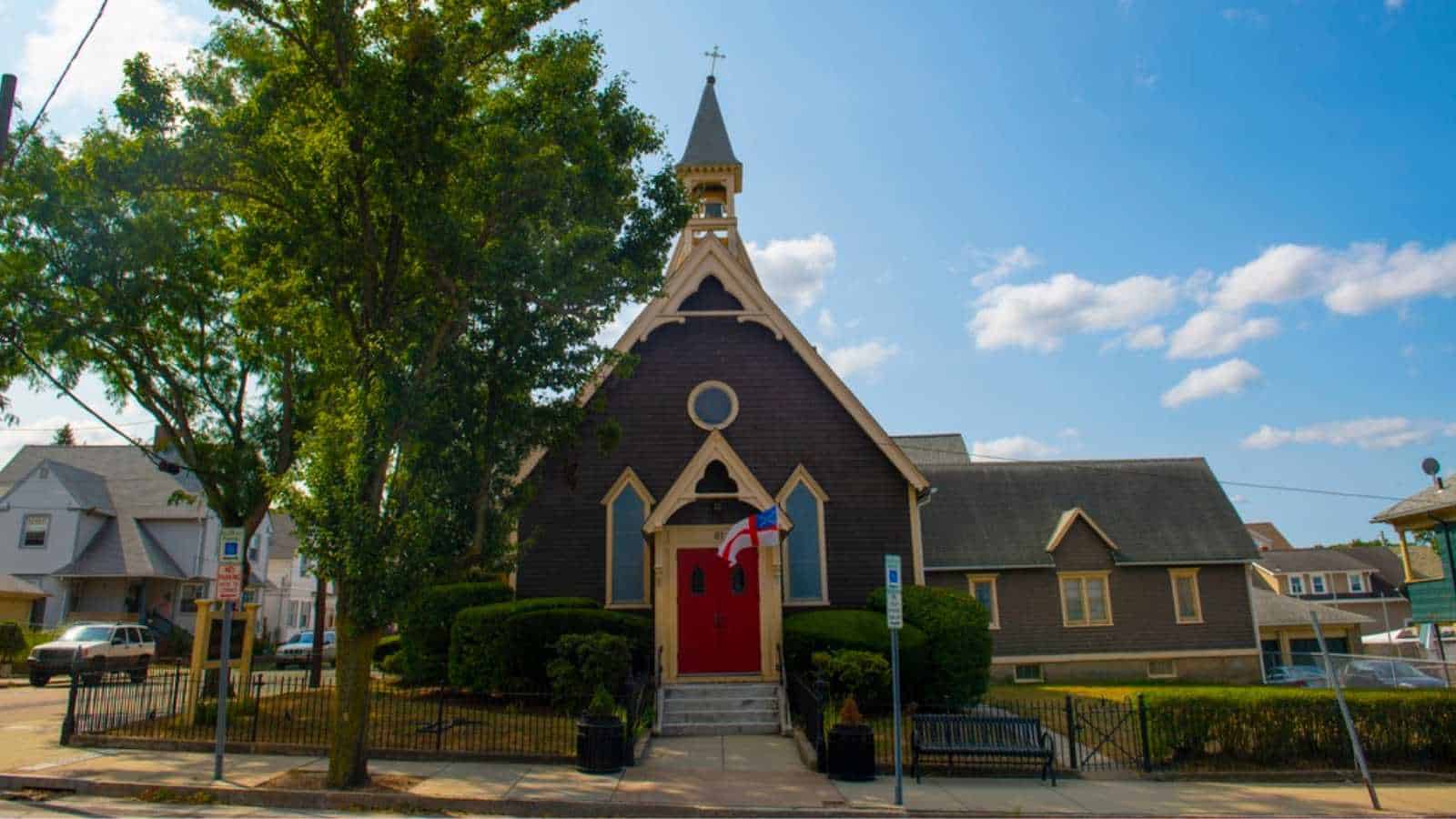
A major consolidation is happening as smaller local congregations face extinction. Moderate, middle-of-the-road churches that avoid modern trends are struggling the most. Data from the Hartford Institute for Religion Research confirms that about 54% of American churches report experiencing some form of attendance decline.
On the flip side, larger, dynamic non-denominational churches are gaining massive momentum. Worshippers are leaving dying parishes to join highly resourced, younger, and more active congregations. It is a classic “winner-take-all” scenario for modern American religion.
What this post-Christian shift actually means

The cultural shift away from communal worship is as large as historical religious awakenings, just in reverse. American society has officially entered a post-Christian era where churchgoing is no longer a cultural norm. Yet, this decline has also distilled a highly committed core of believers.
While casual participants have stopped going, those who remain are deeply devout. The future of the church relies heavily on flexibility and genuine connection.
Key takeaway

The drop in actual weekly attendance to 5% shows that traditional institutional religion has lost its grip on the average American.
While personal faith remains alive, the era of empty pews is forcing a massive, irreversible evolution in how Christianity operates.
Disclaimer – This list is solely the author’s opinion based on research and publicly available information. It is not intended to be professional advice.
Like our content? Be sure to follow us