13 lost life skills our ancestors mastered that we’ve completely forgotten
The quiet truth is that as our lives got easier, something sturdy and human quietly slipped out of our hands.
Most of us panic when the Wi-Fi drops for five minutes, yet our great-grandparents survived winters without central heat or supermarkets. We rely on apps for everything from finding a date to checking the weather forecast.
We have traded our resilience for convenience, letting gadgets handle the basic tasks that once kept us sharp and self-reliant. It is time to look back at the capabilities we have let slip away and see what we might want to relearn.
Reading The Sky For Weather

Our ancestors did not need a notification to know a storm was brewing because they could feel the pressure drop and see the shift in the clouds. They understood that a red sky at night meant fair weather, while a halo around the moon signaled rain.
We have lost this connection to the elements, trusting a screen more than the wind on our faces or the behavior of birds. It is a shame that we ignore these natural signs, as they are often more immediate and accurate than forecasts.
Mending And Darning Clothes

There was a time when a hole in a sock meant five minutes with a needle and thread, not a trip to the trash can. A recent survey by Good Housekeeping revealed that only 9% of people darn items regularly, showing just how rare this skill has become.
Fast fashion has trained us to view everything as disposable, so we toss out high-quality garments over minor, fixable tears. Relearning how to patch a knee or sew on a button saves money and reduces the mountain of waste we generate annually.
Navigation By The Stars And Landmarks

If the GPS on your phone fails, would you be able to find your way home using just the sun or a distinct hill on the horizon? People used to build mental maps of their surroundings, noting the bend of a river or the moss on a tree trunk.
We drive blindly now, following a blue line on a screen without retaining any knowledge of the route or direction. This dependence leaves us completely helpless and disoriented the moment our technology runs out of power.
Deep Focus And Determining Attention

The ability to sit quietly and work on a single task for hours has evaporated mainly from modern life. Research by Gloria Mark at the University of California shows that our average attention span on a screen is now a mere 47 seconds.
We are constantly switching contexts, training our brains to crave the dopamine hit of a new notification rather than the satisfaction of deep work. Regaining the discipline to focus without interruption is perhaps the most valuable superpower one could cultivate today.
Memorizing Phone Numbers And Facts

You likely know your partner’s number, but you probably cannot recall the digits for your best friend or even your workplace. According to Kaspersky Lab, 44% of people admit that their smartphone serves as their memory, storing everything they need to know.
This phenomenon, often called digital amnesia, means our brains are getting lazy because we outsource retention to our devices. Exercising your memory by learning numbers and addresses by heart keeps your mind sharp and ensures you are safe in an emergency.
Writing And Reading Cursive Script

The flow of a fountain pen across paper used to be an art form, but today it is becoming a cryptic code to the younger generation. The New York Post reports that a OnePoll survey found that 70% of Americans cannot read their colleagues’ handwriting, highlighting a significant decline in penmanship.
We type faster than we think, losing the cognitive benefits that come from the slower, more deliberate process of joining letters by hand. Writing in cursive engages different parts of the brain and supports information retention in ways that typing cannot match.
Identifying Edible Plants

Walking through a forest used to be a trip to the grocery store for those who knew which berries and leaves were safe to eat. Our forebears could spot wild garlic, mushrooms, and medicinal herbs at a glance, turning a walk into a meal.
We see a wall of green when we go outside, unable to distinguish a nutritious snack from a poisonous weed. Learning to forage connects you to the land and provides a sense of security that no supermarket can offer.
Cooking From Scratch Without Recipes

Grandmothers rarely used measuring cups or cookbooks; they cooked by smell, touch, and a lifetime of experience. They knew exactly how much flour the dough needed just by the way it stuck to their fingers.
We are paralyzed without a step-by-step guide, afraid to experiment or trust our own palate to balance the flavors. Intuitive cooking allows you to use whatever you have on hand, reducing food waste and making dinner less stressful.
Operating A Sewing Machine

While hand sewing was common, the ability to construct a garment from scratch using a machine was also a staple skill in many homes. Current data suggest that just 27% of people can confidently operate a sewing machine, a steep drop from previous generations.
Being able to hem your own curtains or take in a dress gives you control over your style and fit that off-the-rack shopping lacks. Mastering this machine opens a creative outlet, allowing you to produce high-quality custom items that last for years.
Building A Fire In The Wind
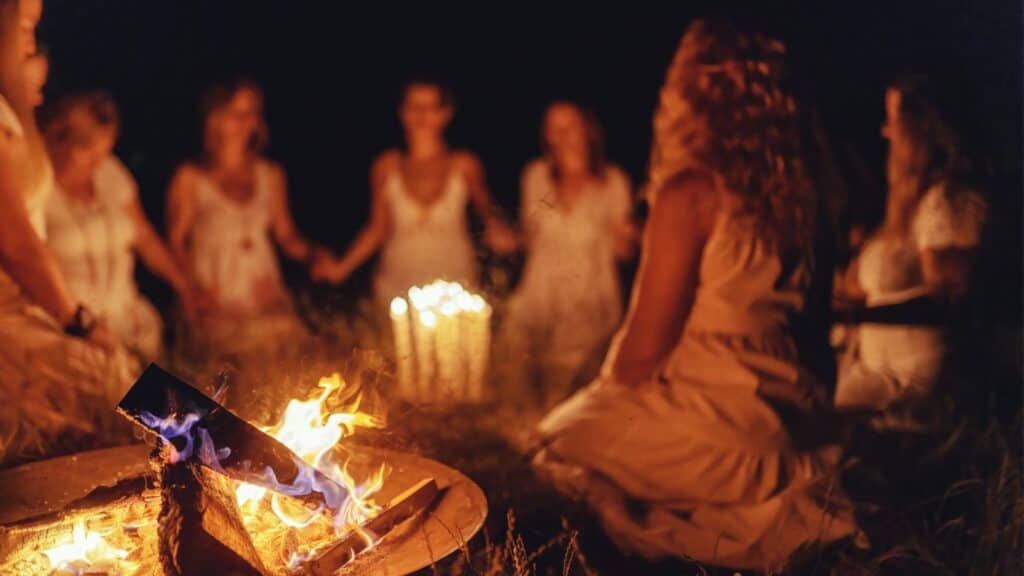
Starting a fire without lighter fluid or a distinct fire starter cube is a frustration many campers know all too well. Our ancestors could coax a flame from damp wood and a spark, a vital skill for warmth and cooking.
We have lost the patience and the technique required to build a proper tinder nest and shield a flicker from the breeze. Knowing how to create fire is one of the most primal and essential survival skills you can possess.
Mental Arithmetic And Calculation

Calculating a tip or splitting a bill used to be a quick mental exercise, but now we instantly reach for the calculator app. The reliance on digital tools has atrophied our ability to handle simple addition and multiplication in our heads.
Keeping your brain active with daily math problems is a great way to maintain cognitive health as you age. Being able to estimate costs on the fly helps you catch errors at the register and manage your budget better.
Moving And Walking Naturally

We think of exercise as a scheduled activity, but for our ancestors, movement was just a part of staying alive. A study 403 of office workers found that 68% of their workday is spent in sedentary activity, which is disastrous for their physical health.
Our bodies were designed to walk long distances, squat, and carry loads, not to sit in ergonomic chairs for eight hours. Integrating natural movement into your day is far more effective than sitting all day and then hitting the gym for an hour.
Sitting in Silence and Solitude

The ability to be alone with one’s thoughts without seeking distraction is a skill we have totally forgotten. We fill every quiet moment with podcasts or scrolling, terrified of the boredom that once sparked creativity.
Solitude allows us to process emotions and generate our best ideas, yet we treat it as a problem to be solved. Relearning how to sit in silence is the only way to truly recharge and understand what is going on inside your own head.
15 Things Women Only Do With the Men They Love

The 15 Things Women Only Do With the Men They Love
Love is a complex, beautiful emotion that inspires profound behaviors. We express our love in various ways, some universal and others unique to each individual. Among these expressions, there are specific actions women often reserve for the men they deeply love.
This piece explores 15 unique gestures women make when they’re in love. From tiny, almost invisible actions to grand declarations, each tells a story of deep affection and unwavering commitment.