10 Grocery Traditions From the ’80s That Have Disappeared
Grocery shopping in the 1980s operated in a retail environment that was still deeply rooted in analog systems, human labor, and personalized service.
According to the Food Marketing Institute’s 1989 Trends Report, supermarkets were transitioning from traditional manual operations to more automated practices. Still, much of the shopping experience remained similar to earlier decades. As digital technology, centralized processing, and new payment systems emerged between the late 1980s and the early 2000s, many familiar grocery rituals disappeared.
Throughout the decade, supermarkets were seen as community hubs where shoppers interacted more frequently with staff and relied on printed materials, personal service, and slower checkout routines. These traditions faded not because they were ineffective, but because new technologies, rising labor costs, and changing consumer habits reshaped how stores operated.
Paper Grocery Bags as the Standard
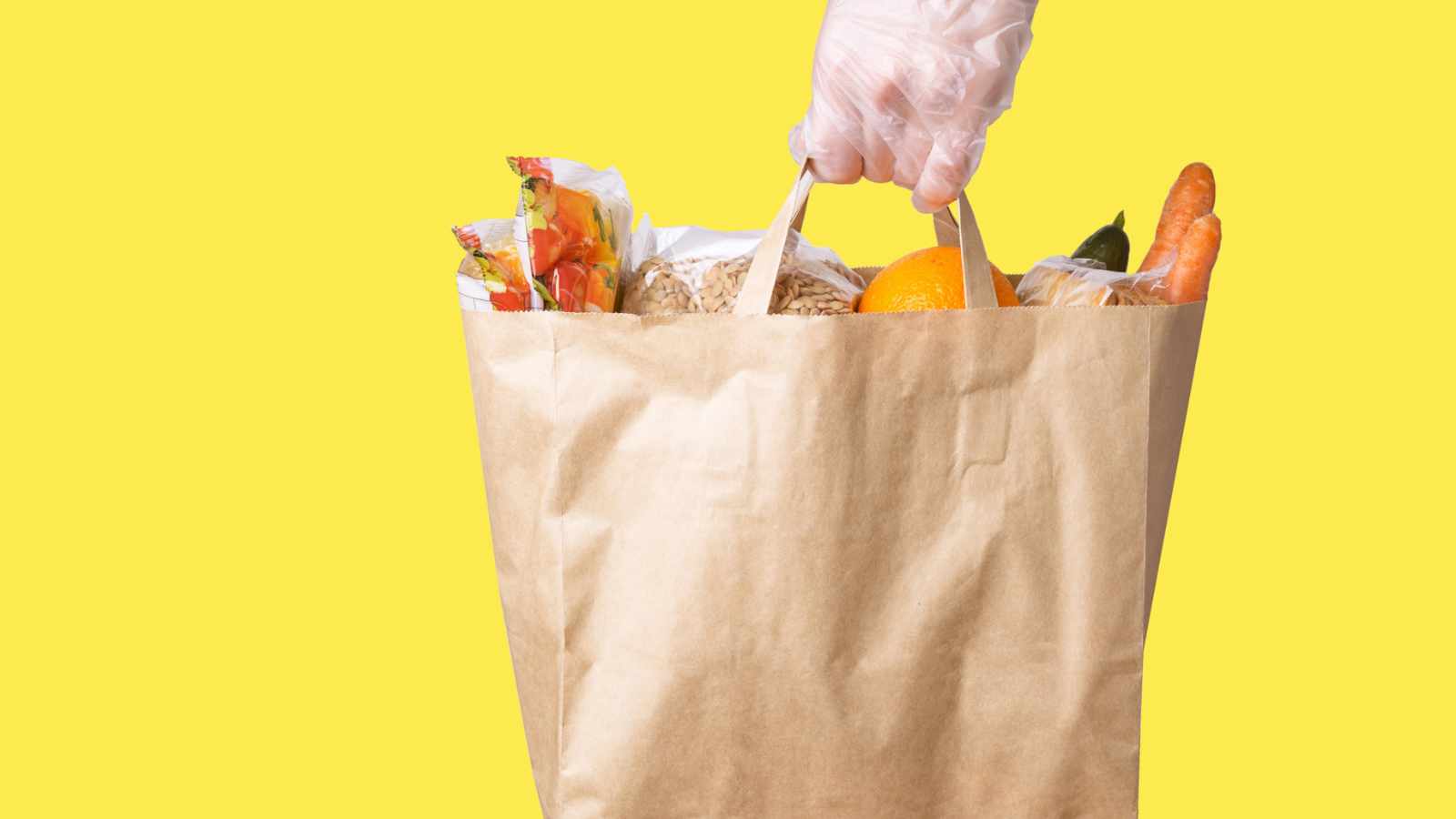
In the early and mid-1980s, American supermarkets overwhelmingly relied on paper grocery bags, with plastic bags entering widespread circulation only around 1985. The Society of the Plastics Industry reports that major chain adoption of plastic bags accelerated after the organization launched a national campaign promoting plastic bags’ lower cost, lighter weight, and storage efficiency. By 1989, the Food Marketing Institute reported that plastic bags had surpassed paper bags in distribution volume across U.S. supermarkets.
Before this shift, baggers received specific training on reinforcing paper bags, balancing weight, and double-bagging heavier items. Paper bags were often stacked at the end of checkout lanes, with stores using thousands each day.
Today, environmental legislation has prompted a partial return to paper bags in some regions, but the 1980s system, where paper dominated nearly every supermarket, is gone.
Manual Price Tagging Before Universal Barcodes

Although the Universal Product Code (UPC) was introduced in 1974, full barcode adoption in most supermarkets did not occur until the late 1980s and early 1990s. Before barcodes became universal, employees used handheld price guns to apply stickers to individual items. Weekly price changes required teams to relabel thousands of products manually, and accuracy depended entirely on employee consistency.
By 1991, UPC penetration had reached over 90% of packaged grocery goods, eliminating the need for manual price tagging. The disappearance of price guns dramatically changed labor requirements, reducing both the number of hours needed for pricing tasks and the likelihood of mismatched or outdated price stickers.
Cashiers Memorizing Prices and Produce Information

Before scanning and PLU codes became standard, grocery cashiers routinely memorized hundreds of prices, especially for fresh produce, bakery items, and common packaged goods. According to The International Federation for Produce Standards, modern PLU system was not introduced until 1990, meaning that throughout the 1980s, stores relied entirely on manual entry for produce pricing.
This requirement meant that checkout speed depended heavily on employee skill and experience. Cashiers often memorized frequent sale items as well, especially because prices changed weekly and not every product had a visible shelf tag.
When scanners and PLU codes finally became universal in the early 1990s, the need for memorization largely disappeared, transforming checkout work from a memory-intensive process into a system-driven procedure.
In-Store Butcher Counters and Custom Meat Cutting
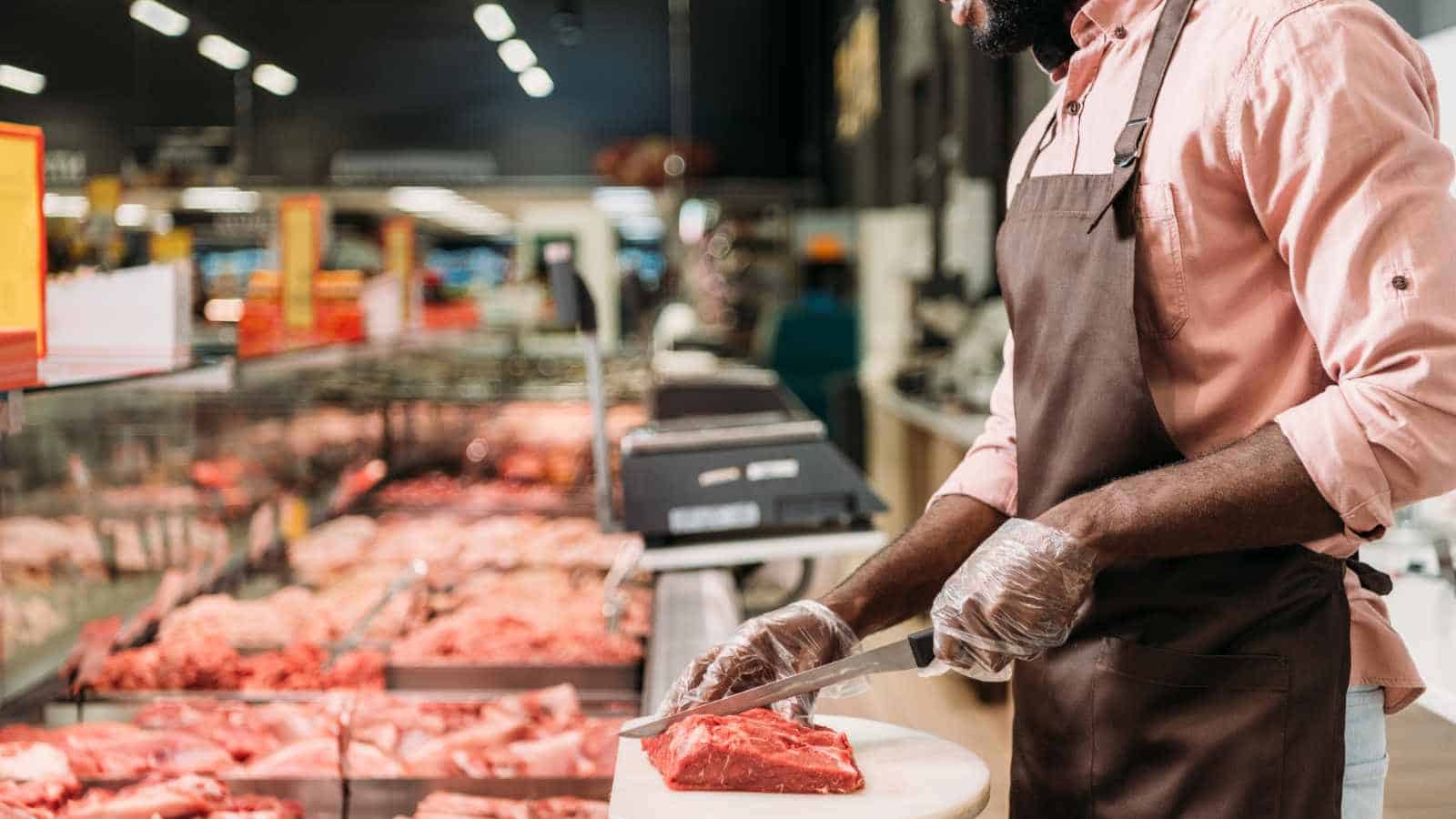
During the 1980s, full-service butcher counters were a defining feature of supermarkets. Meat was cut, trimmed, ground, and packaged on-site, giving customers the option to request custom cuts or receive advice from trained butchers.
New packaging technologies, such as vacuum-sealed, extended-shelf-life packaging, further encouraged supermarkets to shift toward centralized operations. This transition reduced labor costs and improved product quality consistency across store locations. Today, only specialty and high-end stores maintain full-service butcher departments reminiscent of 1980s supermarket traditions.
Also on MSN: 12 annoying grocery store behaviors boomers wish would end
Full-Service In-Store Bakeries

In the 1980s, many supermarkets offered fresh, daily-baked goods made entirely on-site. The rise of par-baked and frozen dough technologies in the late 1980s allowed chains to reduce the number of skilled bakers required to run each store.
Throughout the early 1990s, the increased popularity of bake-off systems, in which dough was prepared in a central facility and finished on-site, significantly reduced labor costs. Though many supermarkets still have bakery sections, their operations are far less artisanal and labor-intensive than those of the 1980s.
Handwritten Checks at Checkout
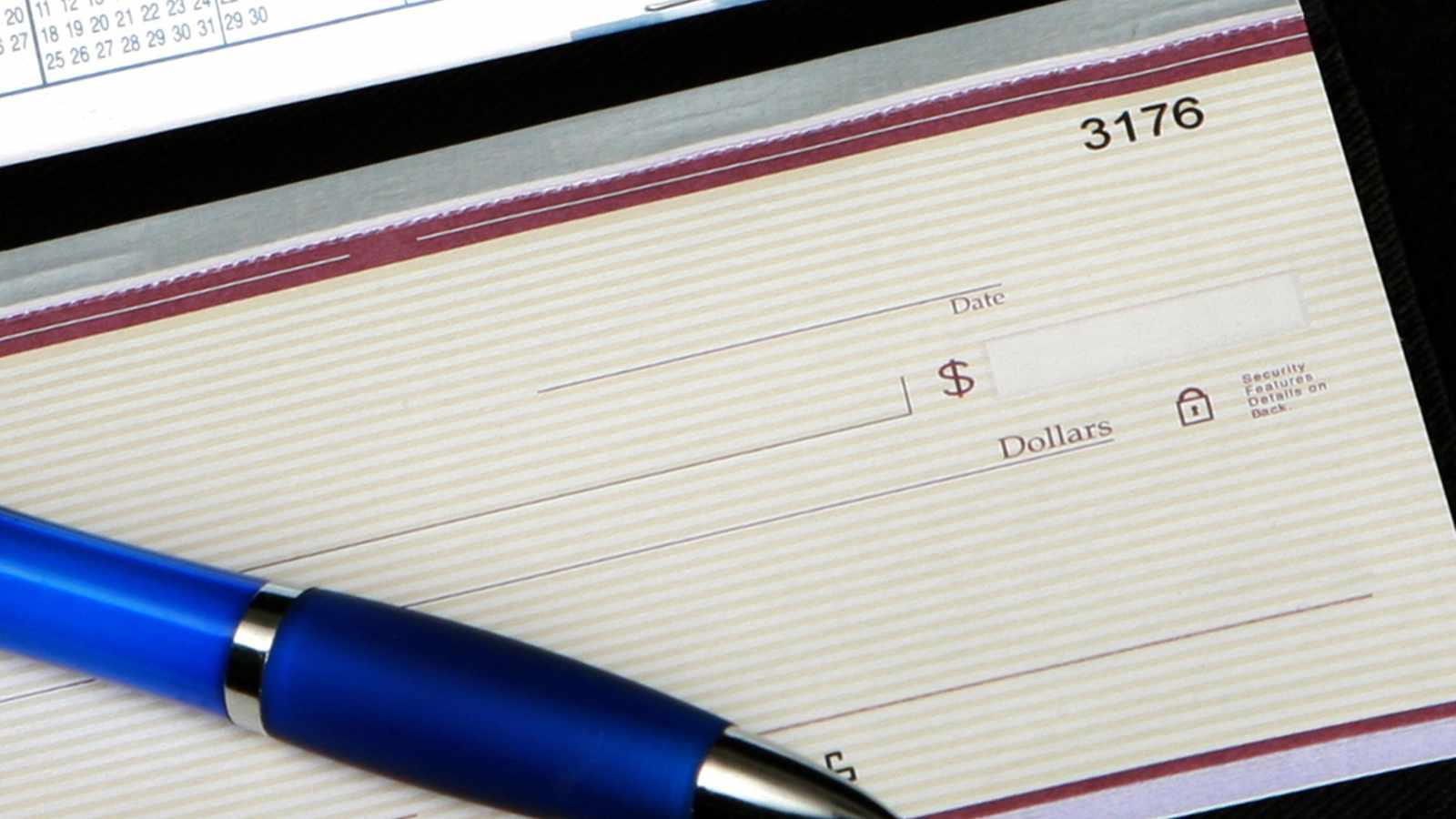
Writing a check at the grocery store in the 1980s was common and expected. Debit cards did not surpass checks as a preferred payment method in the United States until the mid-2000s, according to the Federal Reserve’s 2013 Payments Study. In the 1980s, customers routinely presented handwritten checks, which cashiers verified by recording driver’s license numbers and occasionally requesting phone numbers or addresses. Supervisor approval was often needed before a check could be accepted.
These procedures slowed checkout lines significantly. The widespread rollout of electronic check verification in the 1990s, followed by the increasing use of debit cards, sharply reduced the prevalence of handwritten checks in grocery stores.
Vending Machines Inside Grocery Stores
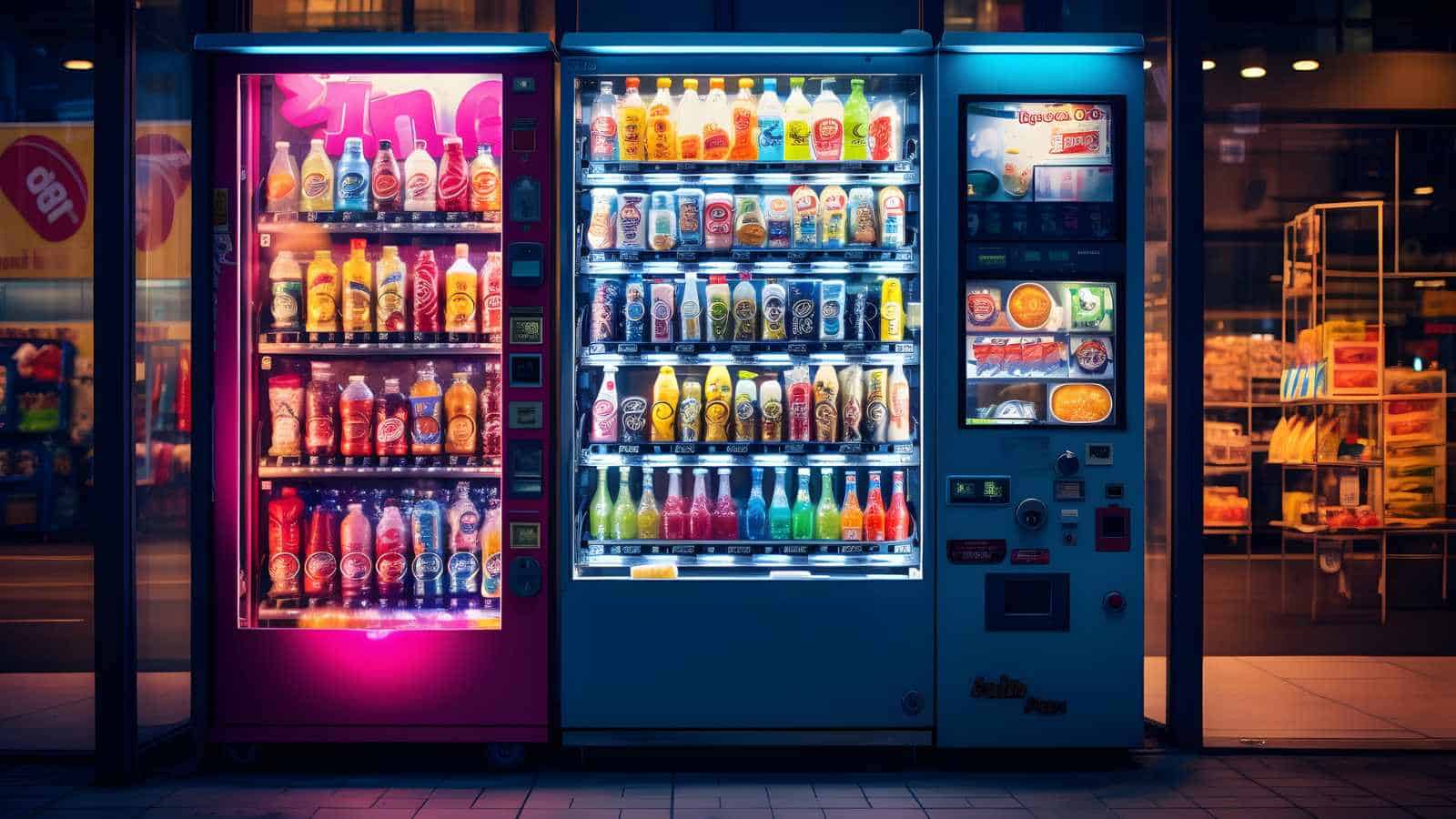
Although uncommon today, vending machines were a familiar feature of many 1980s supermarkets. They were typically located near customer service or lobby areas and offered soda, candy bars, or chips. These machines appealed particularly to children accompanying parents during longer shopping trips.
As store layouts evolved and front-end impulse-buy sections became more profitable, vending machines became largely redundant. Supermarkets increasingly removed them in favor of checkout-lane candy shelves and end-cap snack promotions, which provided higher margins and more efficient use of floor space.
Brand-Run Sampling Stations
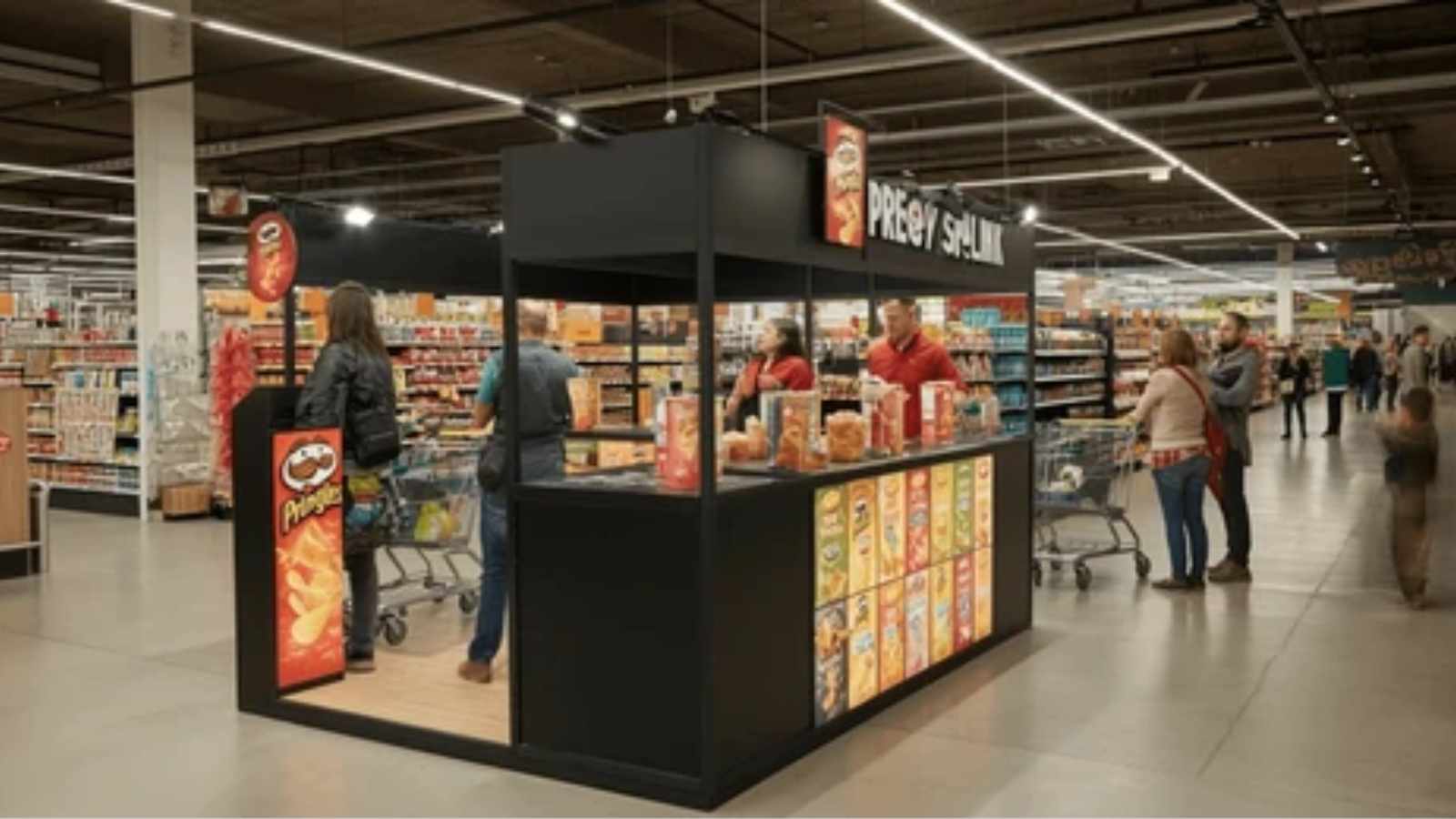
Sampling in the 1980s was highly interactive. Brand representatives, not store employees, operated tasting booths, prepared samples, and explained the product’s features. 1988 Promotional Effectiveness Report found that sampling increased short-term sales of promoted products more than most other in-store marketing methods available at the time.
Modern sampling programs rely more heavily on store employees or prepackaged samples and operate within stricter food safety regulations, diminishing the personal, conversational sampling experiences common in 1980s supermarkets.
Weekly Printed Circulars and Newspaper Inserts

Before digital coupons and store apps, shoppers relied primarily on printed weekly circulars to learn about sales. These circulars were distributed through Sunday newspapers or direct mail. The United States Postal Service’s Household Mail Advertising Report shows that grocery circulars were one of the most widespread forms of advertising delivered to U.S. households during the decade.
The decline of printed circulars began in the early 2000s as digital marketing became more cost-effective. Retailer websites, email lists, and mobile apps allowed real-time price updates, reducing reliance on printed advertisements. Although some stores still produce weekly paper ads today, the once-dominant 1980s circular has become significantly less common.
Carryout Service and Parking-Lot Assistance

In the 1980s, many supermarkets offered carryout service, where employees brought groceries directly to customers’ cars.
Concerns over liability and changing consumer expectations contributed to its decline. Today, full-service carryout remains rare, though some smaller or family-owned stores still offer it.
Key Takeaways

The disappearance of these traditions was driven by technological advancements, rising labor expenses, and evolving consumer expectations. The universal adoption of barcode scanning reduced labor costs for pricing, centralized processing reduced the need for specialized in-store departments, and debit cards increased checkout speed while reducing transaction complexity.
The decline of newspapers and the rise of digital advertising transformed how stores communicated prices and promotions. In short, grocery traditions changed because retail systems became more efficient, standardized, and technology-driven.
Disclosure line: This article was developed with the assistance of AI and was subsequently reviewed, revised, and approved by our editorial team.
Why investing for retirement is so important for women (and how to do it)

Why investing for retirement is so important for women (and how to do it)
Retirement planning can be challenging, especially for women who face unique obstacles such as the wage gap, caregiving responsibilities, and a longer life expectancy. It’s essential for women to educate themselves on financial literacy and overcome the investing gap to achieve a comfortable and secure retirement. So, let’s talk about why investing for retirement is important for women and how to start on this journey towards financial freedom.
Science Tells Us What To Expect As We Age: Strategies for Thriving in Later Life

Science Tells Us What To Expect As We Age: Strategies for Thriving in Later Life
How does aging affect our bodies and minds, and how can we adapt to those differences? These are questions that pertain to us all. Also, while people experience common physiological issues in later life, they don’t follow a well-charted, developmentally predetermined path. Let’s take a look at what science has told us to expect.